The Government of Botswana is taking another significant step toward achieving its climate goals by hosting a scoping mission from the Nationally Determined Contribution (NDC) Partnership following the country’s accession to the global coalition in 2025. The mission represents an important milestone in strengthening cooperation between Botswana and international partners as the country advances the implementation of its climate commitments under the Paris Agreement. It also reflects Botswana’s determination to align environmental sustainability with national development priorities while building resilience against the growing impacts of climate change. Through stronger partnerships and coordinated support, Botswana aims to accelerate the delivery of practical climate solutions that benefit both the environment and the economy. The visit by the NDC Partnership delegation highlights the country’s commitment to ensuring that its climate ambitions are supported by technical expertise, financial resources and institutional collaboration.
As a Party to the Paris Agreement, Botswana has continued to demonstrate its commitment to addressing climate change through the development and implementation of its Nationally Determined Contributions. The country first submitted its climate pledge in 2015 and updated it in 2025, maintaining its target of reducing greenhouse gas emissions by 15 percent by 2030. This target reflects Botswana’s ongoing efforts to contribute to global climate action while pursuing sustainable economic growth. The government is currently preparing its Third Nationally Determined Contribution, commonly referred to as NDC 3.0, which is being developed in line with the enhanced ambition cycle established under the Paris Agreement. The updated framework will also align with Botswana’s Long-Term Low Emissions Development Strategy and broader national development objectives to ensure climate action supports economic transformation.
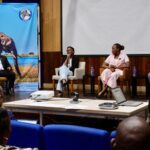
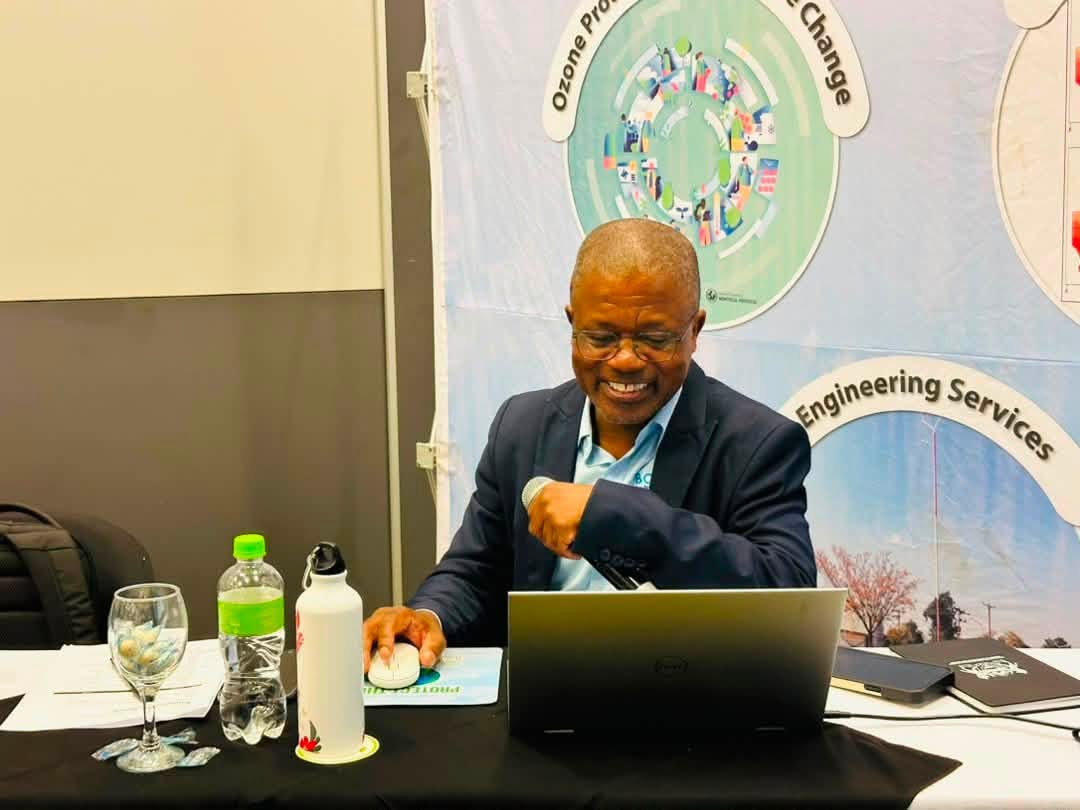
A key activity during the scoping mission was the participation of the NDC Partnership delegation in Botswana’s National Validation Workshop for the preparation of the Third Nationally Determined Contribution. The workshop brought together representatives from government ministries, academic institutions, the private sector, civil society organizations and development partners to review and validate the country’s proposed climate commitments. Such inclusive consultations ensure that climate policies reflect a wide range of perspectives and benefit from technical expertise across multiple sectors. The collaborative approach also strengthens national ownership of climate strategies while improving coordination among stakeholders responsible for implementation. By involving different sectors of society, Botswana is laying the foundation for climate policies that are practical, achievable and responsive to national priorities.
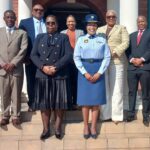
The delegation also paid a courtesy call on the Minister of Environment and Tourism, Mr. Wynter Mmolotsi, who welcomed the team and expressed appreciation for the support provided by the NDC Partnership. The Minister noted that Botswana’s membership in the Partnership comes at an important time as the country seeks to move beyond climate planning and translate its commitments into measurable action. He emphasized that achieving the objectives outlined in the Nationally Determined Contribution requires strong partnerships that can provide both technical expertise and financial support. According to the Minister, international cooperation will play a vital role in helping Botswana strengthen its climate resilience while promoting sustainable development. His remarks underscored the government’s determination to ensure that climate action becomes an integral part of national planning and economic growth.
Minister Mmolotsi also highlighted the importance of mobilizing the technical and financial resources necessary to implement Botswana’s climate commitments successfully. He stressed that greater access to climate finance will be essential for funding projects that reduce greenhouse gas emissions while helping communities adapt to changing climate conditions. Technology transfer was identified as another important area where international cooperation can strengthen Botswana’s capacity to adopt innovative and sustainable solutions. In addition, continued investment in capacity building will equip institutions and professionals with the skills required to manage climate-related programs effectively. Together, these forms of support will enable Botswana to implement both mitigation and adaptation measures while contributing to long-term national resilience.
During their visit, members of the NDC Partnership delegation will engage with several key government institutions whose work is central to integrating climate considerations into national development planning. Consultations are scheduled with the Ministry of Finance, the National Planning Commission and other relevant stakeholders responsible for public investment and economic policy. These discussions are intended to strengthen coordination between climate objectives and broader development strategies to ensure environmental sustainability is incorporated into future planning decisions. Integrating climate considerations into public investment frameworks can improve long-term resilience while supporting sustainable infrastructure and economic growth. Such coordination is increasingly recognized as essential for countries seeking to balance development needs with environmental responsibilities.
The delegation will also hold discussions with members of the NDC Partnership that are based in Botswana, including the Embassy of the Federal Republic of Germany, the British High Commission, the Delegation of the European Union and the United Nations Development Programme. These engagements are designed to improve collaboration among development partners and identify opportunities to expand technical assistance, capacity building initiatives and financial support for Botswana’s climate priorities. Strong coordination between international partners helps reduce duplication of efforts while ensuring that available resources are directed toward nationally identified priorities. Collaborative partnerships also create opportunities for knowledge sharing and the adoption of international best practices in climate governance. By working together, Botswana and its partners can strengthen the country’s ability to implement ambitious climate policies effectively.
The NDC Partnership is a global coalition that supports developing countries in implementing their Nationally Determined Contributions through coordinated assistance tailored to each country’s specific needs. Its work focuses on strengthening institutions, facilitating access to climate finance, promoting knowledge exchange and providing technical expertise that enables countries to meet their climate commitments. This country-driven approach allows governments to identify their priorities while receiving targeted support from international partners. For Botswana, membership in the Partnership provides access to a broad network of expertise and resources that can help accelerate climate action across multiple sectors. The collaboration is expected to enhance the country’s ability to implement climate initiatives that deliver environmental, economic and social benefits.
Botswana remains firmly committed to fulfilling its obligations under the Paris Agreement while pursuing a climate resilient and low emission future. The preparation of the Third Nationally Determined Contribution demonstrates the country’s intention to strengthen its climate ambition in line with global commitments and national development goals. Government leaders recognize that achieving these objectives will require strong leadership, meaningful partnerships, active private sector participation and sustained international cooperation. The ongoing scoping mission by the NDC Partnership represents an important opportunity to strengthen these relationships while identifying the resources and expertise needed to support implementation. As Botswana advances toward the goals outlined in Vision 2036, the collaboration with the NDC Partnership is expected to play a vital role in building a sustainable economy that is resilient to climate change and capable of delivering lasting benefits for future generations.