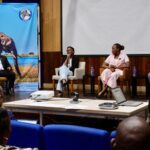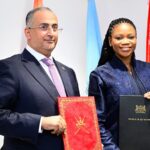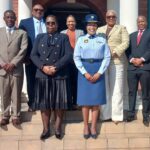

Botswana is taking another important step toward improving the quality of education and promoting the health and well-being of learners through a comprehensive training initiative on Comprehensive Sexuality Education (CSE). The Ministry of Child Welfare and Basic Education, working in partnership with the Ministry of Higher Education and the Ministry of Health, is currently hosting a week-long Comprehensive Sexuality Education training workshop at Serowe College of Education. The workshop, which began on Monday and will conclude on Friday, is designed to strengthen the capacity of educators to deliver accurate, age-appropriate and rights-based sexuality education in schools. Supported by the United Nations Educational, Scientific and Cultural Organization (UNESCO), the initiative reflects a collaborative approach to addressing issues that affect the health, safety and development of young people. The training also demonstrates Botswana’s continued commitment to equipping teachers with the knowledge and confidence needed to guide learners through important life skills education.
Comprehensive Sexuality Education is widely recognized as an essential component of quality education because it provides learners with reliable information that supports informed decision making and healthy development. Unlike common misconceptions, Comprehensive Sexuality Education is not limited to discussions about sexual activity. Instead, it offers a broad, structured curriculum that addresses human development, healthy relationships, gender equality, respect, consent, reproductive health and the prevention of sexually transmitted infections, including HIV. The approach is rights-based and carefully tailored to suit the age and developmental stage of learners. By providing accurate and scientifically informed information, Comprehensive Sexuality Education helps young people build confidence, develop critical thinking skills and make responsible decisions throughout their lives.
The workshop at Serowe College of Education has brought together 120 participants drawn from primary, junior secondary and senior secondary schools across the Serowe, Mahalapye and Palapye sub-regions. This broad representation ensures that educators from different levels of the education system receive consistent training that can be implemented across schools. Participants are expected to gain practical knowledge and teaching strategies that will help them facilitate effective classroom discussions while creating safe and inclusive learning environments. The training also encourages collaboration among educators who can share experiences, best practices and innovative approaches to delivering Comprehensive Sexuality Education. Such networking opportunities strengthen professional development while promoting consistency in the implementation of the curriculum.
The partnership between the Ministry of Child Welfare and Basic Education, the Ministry of Higher Education and the Ministry of Health reflects the importance of adopting a coordinated approach to learner development. Education alone cannot address all the challenges faced by young people, particularly those related to health, emotional well-being and personal safety. By involving multiple government ministries, the workshop combines expertise from education, healthcare and higher learning institutions to provide participants with a more comprehensive understanding of the subject matter. This collaboration also ensures that policies and educational practices are aligned across different sectors. Working together allows government institutions to deliver more effective support to schools and ultimately improve outcomes for learners.
UNESCO’s support for the workshop highlights the global importance of Comprehensive Sexuality Education as part of achieving quality education and sustainable development. The organization has consistently promoted evidence-based sexuality education as an effective tool for improving health outcomes, reducing misinformation and promoting gender equality. UNESCO works with governments around the world to strengthen education systems by developing curricula, supporting teacher training and encouraging best practices in classroom instruction. Its involvement in the Botswana workshop brings valuable international expertise while respecting national priorities and local educational contexts. This partnership helps ensure that educators receive training based on internationally recognized standards and current educational research.
One of the key objectives of the workshop is to strengthen teachers’ confidence in delivering Comprehensive Sexuality Education effectively and responsibly. Educators often face sensitive questions from learners and require appropriate knowledge, communication skills and professional guidance to respond accurately. The training equips participants with practical methods for presenting information in a respectful, inclusive and age-appropriate manner. Teachers also learn strategies for creating classroom environments where learners feel comfortable asking questions and discussing important issues without fear of judgment. Building educator confidence ultimately contributes to better learning experiences and improved understanding among students.
The curriculum covered during the workshop addresses a wide range of topics that are essential for young people’s overall development. Human development helps learners understand the physical and emotional changes that occur throughout different stages of life. Lessons on relationships encourage respect, communication and healthy interactions with others while promoting equality and mutual understanding. The inclusion of topics such as gender, consent and reproductive health provides learners with the knowledge needed to protect themselves and respect the rights of others. Education on sexually transmitted infections, including HIV, also supports Botswana’s ongoing public health efforts by promoting prevention, awareness and responsible decision making.
Delivering Comprehensive Sexuality Education at different educational levels requires careful adaptation to meet the needs of learners at various stages of development. Primary school learners receive age-appropriate lessons focused on personal safety, respect, emotional awareness and healthy relationships. As learners progress through junior and senior secondary education, the curriculum gradually expands to include more detailed discussions on reproductive health, consent, sexual orientation and disease prevention. This structured progression ensures that information is introduced responsibly while supporting learners’ cognitive and emotional development. Age-appropriate teaching remains one of the defining characteristics of effective Comprehensive Sexuality Education.
The participation of educators from multiple sub-regions also supports the broader goal of ensuring consistency in educational standards throughout Botswana. Teachers who complete the training will return to their respective schools equipped with new knowledge, updated teaching techniques and greater confidence in facilitating Comprehensive Sexuality Education lessons. Their training will have a direct impact on thousands of learners who will benefit from more accurate, engaging and supportive classroom instruction. As educators apply their new skills, schools can strengthen learner well-being while contributing to healthier communities. Continuous professional development initiatives such as this workshop help maintain high standards within the education system.
The Comprehensive Sexuality Education training workshop at Serowe College of Education demonstrates Botswana’s commitment to investing in both educators and learners through collaborative, evidence-based education initiatives. By bringing together multiple ministries, UNESCO and educators from across the Serowe, Mahalapye and Palapye sub-regions, the workshop creates a strong foundation for improving the delivery of Comprehensive Sexuality Education in schools. The knowledge and skills gained during the week-long programme will help teachers provide learners with accurate information that promotes health, respect, safety and responsible decision making. As Botswana continues strengthening its education system, initiatives like this play an important role in preparing young people for the challenges and opportunities they will encounter throughout their lives. Through sustained collaboration and ongoing teacher development, Comprehensive Sexuality Education will continue supporting the country’s broader goals of improving education, protecting public health and empowering future generations.