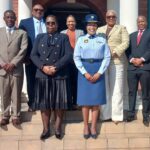
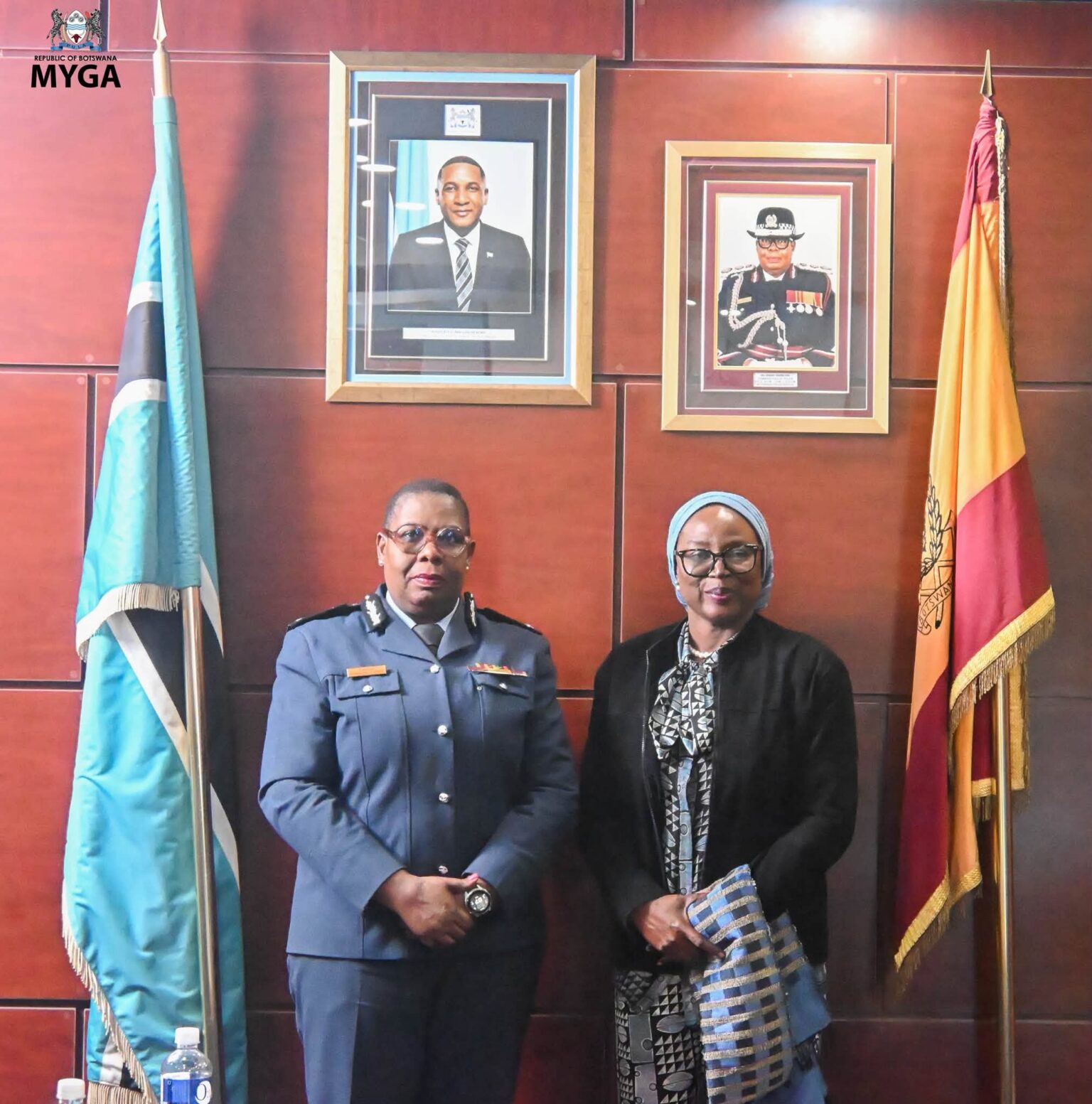
Botswana is reinforcing its commitment to protecting women and children through stronger collaboration with continental institutions and national law enforcement agencies. The African Union Commission (AUC), together with the Ministry of Youth and Gender Affairs, recently met with the Botswana Police Service to strengthen joint efforts aimed at combating gender-based violence (GBV) and child exploitation. The discussions focused on advancing the ratification, domestication and implementation of the African Union Convention on Ending Violence Against Women and Girls (AU-CEVAWG). The meeting also highlighted the importance of aligning Botswana’s law enforcement strategies with broader African human rights standards to improve the protection of vulnerable groups. As gender-based violence and online child exploitation continue to present serious challenges across the continent, the partnership demonstrates Botswana’s determination to strengthen prevention, protection and justice for survivors.
The meeting served as an important platform for government officials, law enforcement leaders and African Union representatives to coordinate strategies that respond to both traditional and emerging forms of abuse. Participants emphasized that gender-based violence is not limited to physical harm but also includes emotional, psychological, sexual and economic abuse. The increasing use of digital technology has also created new risks, with online child exploitation and cyber-enabled abuse becoming major concerns that require specialized responses. By working closely with continental partners, Botswana aims to ensure that its laws, policies and enforcement mechanisms remain effective in addressing these evolving threats. The collaboration also supports the country’s broader commitment to promoting human rights and safeguarding the dignity of women and children.
A key objective of the discussions was to support the ratification, domestication and implementation of the African Union Convention on Ending Violence Against Women and Girls. Ratification represents a country’s formal agreement to be bound by the convention, while domestication involves incorporating its provisions into national legislation and policy. Effective implementation ensures that the principles contained within the convention translate into practical protection for citizens through law enforcement, judicial systems and social support services. Strengthening these processes allows Botswana to align its national framework with continental standards that prioritize the safety and rights of women and girls. This coordinated approach also promotes greater consistency in addressing gender-based violence across African Union member states.
Commissioner of Police Dinah Marathe outlined several significant measures already being implemented by the Botswana Police Service to strengthen its response to gender-based violence and child exploitation. She explained that specialized child and gender protection units have been significantly expanded to improve investigations and provide more focused support for survivors. These dedicated units are equipped to handle sensitive cases with greater professionalism while ensuring that victims receive appropriate care throughout the investigative process. Specialized officers are trained to understand the unique needs of survivors, helping reduce secondary trauma during interviews and legal proceedings. Strengthening these units reflects Botswana’s commitment to creating a more responsive and victim-centered policing system.
Commissioner Marathe also highlighted the continued expansion of child-friendly centers across Botswana. These facilities are designed to provide safe, welcoming environments where children can report abuse and receive support without experiencing unnecessary fear or intimidation. Child-friendly centers often reduce the number of times young victims are required to recount traumatic experiences by coordinating interviews and support services more effectively. Creating environments specifically designed for children helps improve the quality of evidence while placing the well-being of the child at the center of the justice process. Expanding access to these centers strengthens the country’s overall child protection system and improves outcomes for vulnerable young people.
The Botswana Police Service is also investing in advanced digital forensic capabilities to address the growing threat of technology-facilitated crime. As internet access and digital communication continue to expand, criminals increasingly use online platforms to exploit children, distribute illegal content and target vulnerable individuals. Advanced digital forensic technology enables investigators to analyze electronic devices, recover digital evidence and trace criminal activities conducted through the internet. These capabilities significantly improve law enforcement’s ability to investigate online child exploitation and other cyber-enabled offences. Strengthening digital investigations also enhances Botswana’s ability to cooperate with international agencies in tackling crimes that often cross national borders.
One of the most significant announcements made during the meeting was the planned launch of a pioneering one-stop service center scheduled to open in October. The facility will operate from a converted police building and will bring together multiple essential services under one roof. Survivors of gender-based violence will have access to police assistance, emergency healthcare, legal aid and social welfare support in a single location. This integrated approach reduces the burden on survivors, who would otherwise need to travel between different institutions while coping with trauma. Providing coordinated services also improves communication between agencies and helps ensure that victims receive comprehensive support more quickly.
Commissioner Marathe explained that the one-stop center will provide trauma-informed care, an approach that recognizes the emotional and psychological impact of violence on survivors. Trauma-informed services prioritize safety, respect and dignity while minimizing practices that may unintentionally cause additional distress. Staff working within the center will be better equipped to understand the experiences of survivors and respond with compassion throughout every stage of the support process. Such an approach can improve trust in public institutions while encouraging more survivors to report abuse and seek assistance. The center also represents an important step toward fulfilling Botswana’s commitments under the African Union Convention.
The initiatives announced by the Botswana Police Service received strong support from Commissioner Hon. Janet Ramatoulie Sallah-Njie of the African Commission. She praised Botswana for adopting a proactive and state-led approach to combating gender-based violence and protecting children. Commissioner Sallah-Njie described the decision to have law enforcement directly operate one-stop service centers as an innovative best practice that could serve as an example for other African countries. She also reaffirmed the African Commission’s commitment to strengthening Botswana’s institutional capacity through ongoing cooperation and technical support. Continued collaboration will help ensure that the country’s justice system remains responsive to the rights and needs of vulnerable women and children.
The partnership between the African Union Commission, the Ministry of Youth and Gender Affairs and the Botswana Police Service demonstrates the value of coordinated action in addressing complex social challenges. Combating gender-based violence and child exploitation requires more than stronger laws because it also depends on effective policing, survivor support services, community awareness and international cooperation. Investments in specialized police units, child-friendly centers, digital forensic technology and integrated service delivery reflect a comprehensive strategy that addresses prevention, protection and accountability. These initiatives also contribute to building greater public confidence in institutions responsible for protecting vulnerable members of society. By strengthening collaboration across multiple sectors, Botswana is creating a more resilient system capable of responding to both current and emerging threats.
Botswana’s continued efforts to strengthen the fight against gender-based violence and child exploitation reflect a clear commitment to protecting human rights and improving access to justice for survivors. Through its partnership with the African Union Commission and the Ministry of Youth and Gender Affairs, the country is aligning national strategies with continental standards while introducing innovative solutions that place survivors at the center of support services. The expansion of specialized police units, child-friendly centers, digital forensic capabilities and the upcoming one-stop service center demonstrates a forward-looking approach to addressing violence in all its forms. With continued cooperation, investment and institutional strengthening, Botswana is building a safer environment where women and children can live free from violence and exploitation. These initiatives represent meaningful progress toward creating a justice system that is compassionate, effective and fully committed to protecting the country’s most vulnerable citizens.