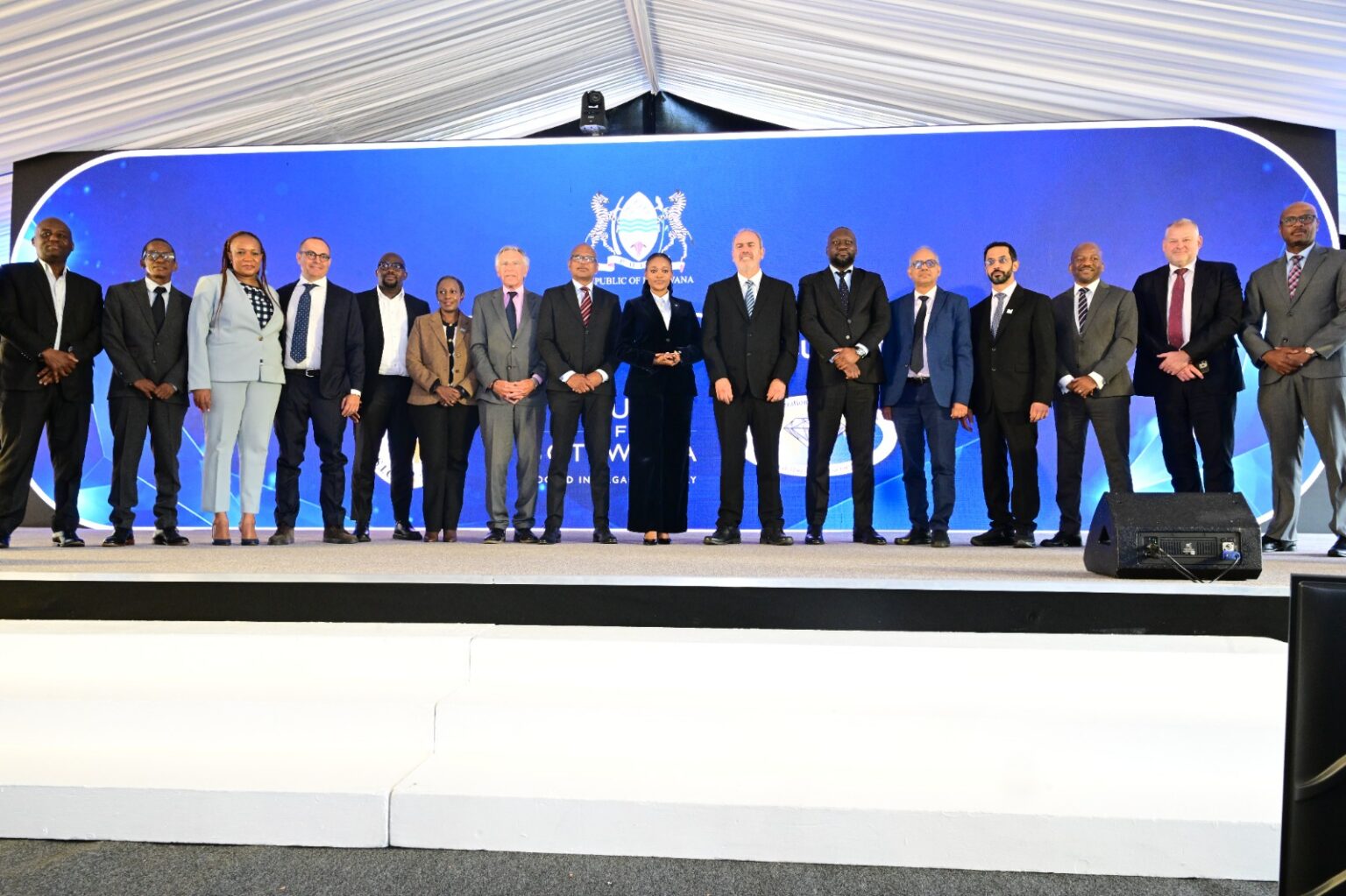
Botswana has taken a major step in its global diamond strategy after being confirmed as an affiliated member of the World Federation of Diamond Bourses (WFDB). The announcement was made during the WFDB International Summit held in Gaborone, marking a significant milestone for one of Africa’s most important diamond-producing nations. The development reflects Botswana’s ongoing efforts to expand its influence beyond mining and into the full diamond value chain. It also reinforces the country’s long-standing reputation as a leading source of ethically produced natural diamonds. Government officials described the move as both symbolic and strategic, linking it to national economic transformation goals.
Minister of Minerals and Energy Bogolo Kenewendo highlighted Botswana’s long history in the global diamond market while pointing to a broader future vision. She noted that the country has been a trusted supplier of high-quality natural diamonds for decades, built on strong governance and transparency systems. According to her, Botswana’s diamonds are responsibly sourced, ethically mined, conflict-free, and supported by some of the strongest institutional frameworks in the world. She stressed that the country’s ambition is no longer limited to extraction, but focused on bringing more of the diamond industry home. This includes increasing local participation, developing downstream industries, and ensuring that citizens benefit more directly from the sector’s value.
Kenewendo also connected the announcement to Botswana’s 60th independence anniversary, framing it as part of a wider national transformation story. She stated that Botswana’s diamonds should be viewed not only as natural resources but as development drivers that support long-term growth. She described the WFDB affiliation as the beginning of a new chapter in which Botswana positions itself as a global reference point for trusted natural diamonds. The government’s ‘House of Botswana’ initiative is expected to play a key role in this direction by strengthening international marketing and expanding the country’s global presence. Officials believe this will help position Botswana as a central hub for natural diamond excellence in global markets.
Industry leaders at the summit also expressed support for Botswana’s growing influence in the sector. Ahmed Bin Sulayem, Executive Chairman of DMCC, emphasized that despite recent pressures on the natural diamond industry, there remains strong long-term potential. He noted that countries like Botswana demonstrate why natural diamonds continue to hold value in the global market. His comments reflected a broader industry view that responsible sourcing and transparency are becoming increasingly important for consumer confidence. He added that Botswana’s model provides a strong example of how governance and resource management can support industry stability and trust.
WFDB President Yoram Dvash described the summit as a practical working session focused on strengthening collaboration across the diamond trade. He expressed confidence in the long-term outlook of natural diamonds and stressed the importance of presenting a complete industry narrative. This includes everything from mining and trading to transformation and value addition across the supply chain. Dvash noted that no single organization can address current industry challenges alone, making cooperation essential. He welcomed Botswana and Angola into the WFDB network, stating that their inclusion strengthens global industry partnerships and shared goals.
Industry insiders and government officials view Botswana’s affiliation with the WFDB as a key milestone in reinforcing its position as a trusted global diamond supplier. The move is expected to enhance credibility, improve access to international markets, and support long-term investment in the sector. It also aligns with Botswana’s broader strategy of increasing value creation within its borders rather than relying solely on raw exports. As global demand for ethical sourcing continues to grow, Botswana’s emphasis on transparency and responsible mining places it in a strong competitive position. The country now enters a new phase where diamond production and national development are more closely connected, shaping both its economy and its global identity.