Botswana is intensifying its efforts to combat gender-based violence by strengthening collaboration across government institutions and key stakeholders. Recognising that gender-based violence remains one of the country’s most pressing social challenges, the Ministry of Youth and Gender Affairs recently convened a meeting to review and strengthen the Inter-Ministerial Committee on Gender-Based Violence as part of a broader strategy to improve coordination and prevention. The meeting brought together representatives from various ministries and organisations to examine how the country’s response can become more effective, proactive and sustainable. Participants focused on strengthening governance, improving cooperation and identifying practical solutions that address both the immediate and long-term challenges associated with gender-based violence. The discussions reflected a shared commitment to building a national response that prioritises prevention while ensuring that victims receive the support and protection they need.
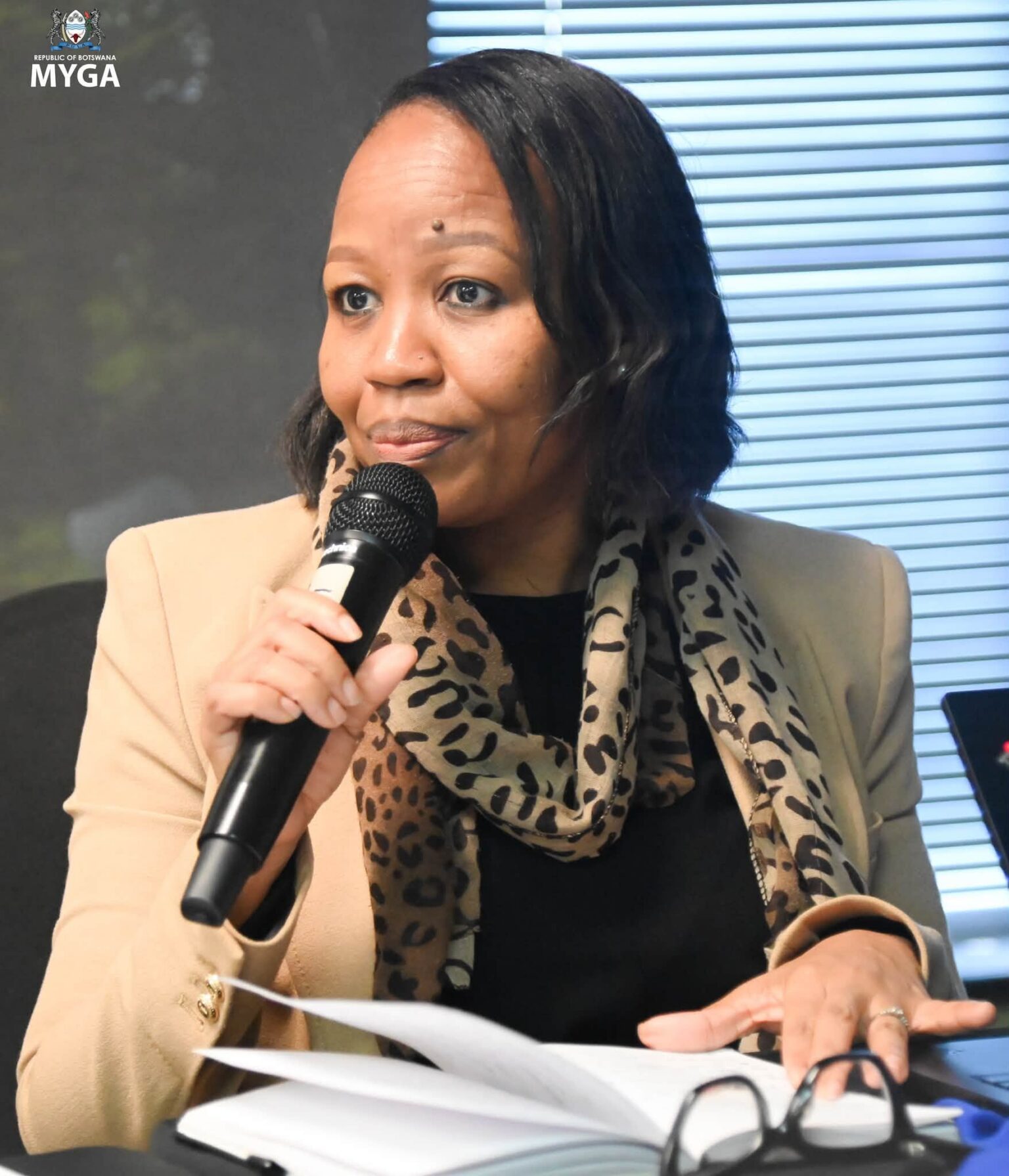
Welcoming delegates to the Inter-Ministerial Committee on Gender-Based Violence meeting, Permanent Secretary in the Ministry of Youth and Gender Affairs, Ms. Natasha Rampa, delivered a strong message about the urgency of the crisis facing Botswana. She described gender-based violence as a matter of life and death that demands immediate and accelerated action from all sectors of society. According to Ms. Rampa, the committee cannot afford to operate according to routine bureaucratic processes while lives continue to be lost every day. She challenged technical leaders to rethink traditional approaches and move beyond reactive systems that only respond after violence has already occurred. Her remarks underscored the need for faster decision making, stronger coordination and greater accountability across all institutions responsible for preventing gender-based violence.
A central theme of Ms. Rampa’s address was the importance of shifting from response to prevention. She argued that relying primarily on statistics collected by the Botswana Police indicates that interventions are taking place too late, after incidents of violence have already occurred. Stressing the need for early intervention, she stated, “If we are getting our statistics from Botswana Police, we are dealing with GBV so late, that is response, not prevention.” Her comments highlighted the need to identify warning signs earlier, strengthen community-based support systems and implement preventive programmes that reduce the risk of violence before it escalates. This approach reflects a growing recognition that effective gender-based violence prevention requires coordinated action across healthcare, education, social services, justice and community organisations.
Supporting the Permanent Secretary’s call for stronger collaboration, Acting Deputy Permanent Secretary for Gender Affairs, Ms. Onneetse Makhumalo, explained the operational structure of the Inter-Ministerial Committee on Gender-Based Violence. She noted that the committee brings together nine key government ministries under the leadership of the Ministry of Youth and Gender Affairs to coordinate the national response. Operating as a select Cabinet committee, the structure provides strategic direction, mobilises resources, harmonises legislation and oversees a whole-of-society approach to addressing gender-based violence. This framework also promotes collaboration with civil society organisations, faith-based institutions, the private sector and local communities. Such broad participation recognises that eliminating gender-based violence requires collective responsibility rather than government action alone.
The meeting also examined ways to improve the committee’s governance and operational effectiveness. Principal Gender Officer I, Mr. Budani Madandume, presented two proposed structural models designed to address governance challenges, operational bottlenecks, fragmented oversight and weaknesses in legislative enforcement. He explained that the first model positions the Inter-Ministerial Committee at the highest level of executive decision making to provide strong political leadership and strategic direction. The second model combines Cabinet-led oversight with statutory independence by assigning operational responsibilities to an autonomous Gender Commission established through an Act of Parliament, while allowing the committee to retain its strategic leadership role. Both proposals seek to strengthen accountability, improve coordination and ensure that policies are implemented more effectively across all sectors.
Stakeholders participating in the discussions agreed that Botswana urgently requires a centralised coordinating structure capable of responding effectively to the increasing levels of gender-based violence. Participants emphasised that fragmented approaches often limit the effectiveness of interventions and create unnecessary delays in service delivery and policy implementation. They also stressed the importance of moving towards sustainable domestic financing to reduce dependence on unpredictable external donor funding. Stable national funding would provide greater certainty for long-term programmes while strengthening the country’s ability to implement consistent prevention and support initiatives. The meeting further highlighted the importance of aligning gender-based violence interventions with Botswana’s national development plans while drawing valuable lessons from previous public health responses that successfully mobilised coordinated national action.
Throughout the discussions, delegates recognised that addressing gender-based violence requires more than legislative reforms and institutional structures. Participants highlighted the importance of community awareness, education, early intervention and coordinated support services that empower individuals and families to identify and prevent abuse. Building stronger partnerships between government departments, community organisations and private sector stakeholders was identified as a key strategy for expanding the reach and effectiveness of prevention programmes. Delegates also acknowledged that lasting progress depends on creating systems that are transparent, accountable and responsive to the needs of survivors. By strengthening coordination and encouraging shared responsibility, Botswana aims to create a more comprehensive national framework for preventing and responding to gender-based violence.
The meeting concluded with a strong consensus that decisive leadership, effective governance structures and sustainable domestic investment are essential for transforming Botswana’s response to gender-based violence. Participants agreed that strengthening the Inter-Ministerial Committee on Gender-Based Violence represents an important step towards creating a more coordinated, transparent and accountable national strategy. The proposals presented during the meeting provide a foundation for improving prevention, strengthening institutional cooperation and ensuring that resources are directed where they are needed most. As Botswana continues to confront the serious challenge of gender-based violence, the commitment demonstrated by government leaders and stakeholders reflects a shared determination to protect vulnerable individuals and build safer communities. Through stronger collaboration, proactive prevention and sustained national investment, the country is working towards a future where every person can live free from violence and fear.