The Government of Botswana, through the Ministry of Health, is taking important steps to strengthen Universal Health Coverage by preparing for a national Mental, Neurological and Substance Use (MNS) Access to Medicines Survey. The initiative will provide reliable information about the availability, pricing, affordability and supply of essential medicines used to treat mental, neurological and substance use conditions. By identifying weaknesses in medicine access, the survey can help health authorities make better-informed decisions about procurement, distribution and service delivery. The work also forms part of broader efforts to ensure that brain health receives appropriate attention within Botswana’s healthcare system. With greater access to essential medicines and support services, the country can move closer to a health system where people can receive quality care regardless of where they live or their circumstances.
The planned MNS Access to Medicines Survey will focus on collecting evidence that can help the Ministry of Health understand the realities faced by patients and healthcare providers when accessing essential brain health medicines. Availability is a critical factor because medicines cannot benefit patients if health facilities regularly experience shortages or lack important treatments. Pricing and affordability are equally important because high costs can prevent patients from starting treatment, continuing medication or accessing care when they need it. Information about the supply chain can also help identify challenges affecting the movement of medicines from procurement and distribution systems to healthcare facilities. By examining these areas together, the survey can provide a clearer picture of where improvements are needed and support practical interventions to strengthen medicine access.
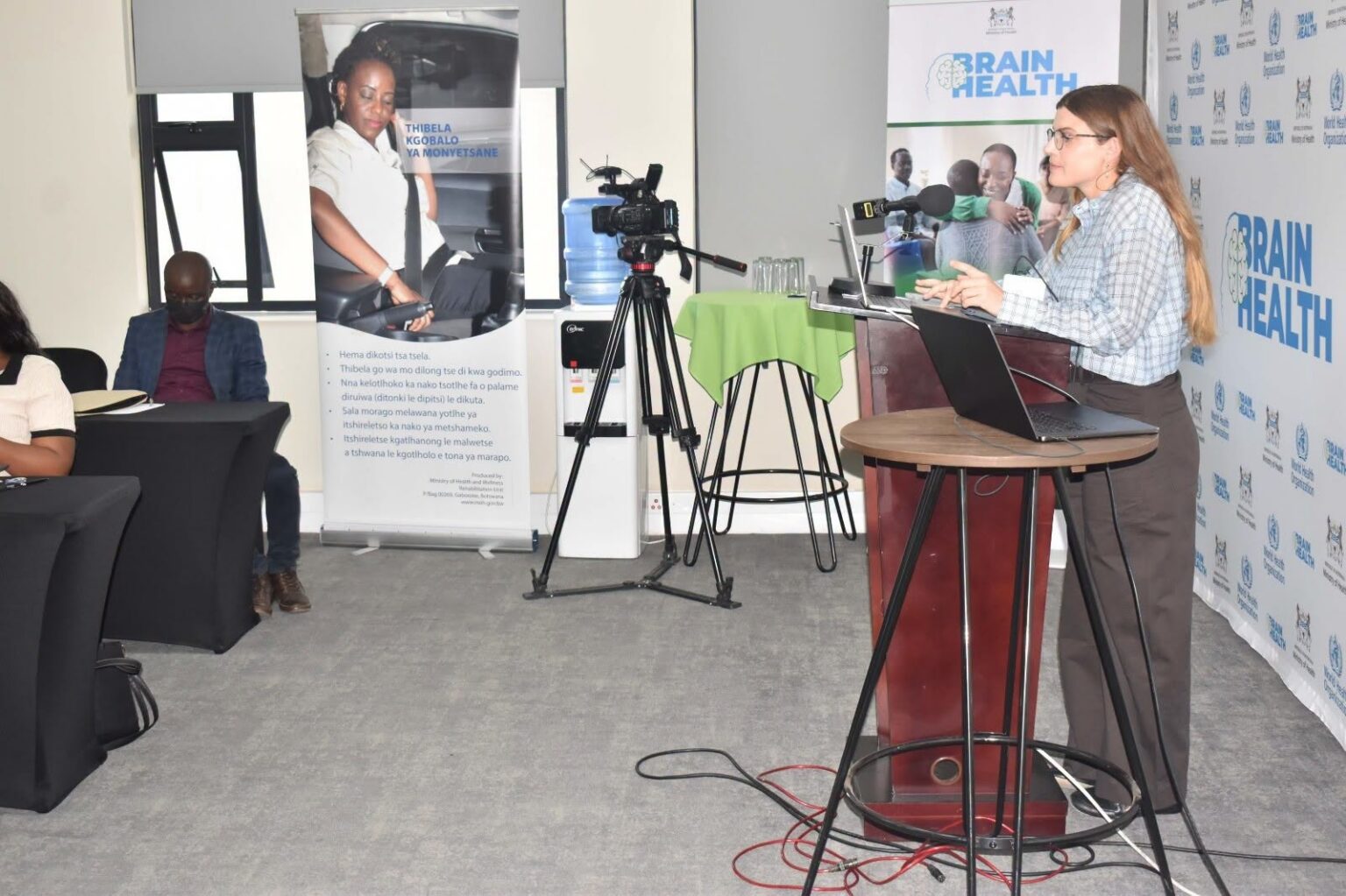
The initiative builds on the ongoing Ministry of Health and World Health Organization workshop taking place in Gaborone, which ends tomorrow. The workshop brings together a broad group of stakeholders, including government representatives, the WHO, development partners, local authorities, civil society organizations, academic institutions and healthcare professionals. Bringing these groups together creates an opportunity to examine brain health from different perspectives and develop approaches that respond to the needs of communities. The collaboration also recognizes that mental, neurological and substance use conditions require coordinated action across the healthcare system rather than isolated interventions. Through shared expertise and evidence-based planning, stakeholders can work towards integrating MNS services more effectively into primary healthcare.
Integrating mental, neurological and substance use services into primary healthcare is an important part of expanding access to care. Primary healthcare facilities are often the first point of contact for people seeking health services, particularly in communities that may face challenges reaching specialized facilities. Providing appropriate MNS services closer to where people live can make it easier for patients to receive early support, treatment and referrals when necessary. It can also help healthcare workers identify mental and neurological conditions sooner and connect patients with appropriate interventions. Strengthening these services at primary healthcare level can therefore contribute to a more responsive system that addresses both physical and brain health needs.
Reducing stigma is another important part of the initiative because negative attitudes surrounding mental health and substance use can discourage people from seeking assistance. People experiencing mental health or substance use challenges may delay treatment because they fear discrimination, judgment or exclusion from their families and communities. Stigma can also affect how conditions are discussed within healthcare settings and may prevent individuals from receiving the support they need. Efforts to integrate MNS services into routine healthcare can help normalize conversations about mental health and encourage people to seek professional assistance. Expanding psychosocial support alongside medical treatment can further ensure that patients receive care that recognizes their emotional, social and psychological needs.
Reliable data will play a central role in determining how Botswana strengthens its response to brain health needs. Without accurate information about medicine availability, prices and affordability, policymakers may struggle to identify the most urgent barriers affecting patients and healthcare facilities. A national survey can provide evidence that helps guide resource allocation and improve planning across the healthcare system. It can also create a baseline against which future improvements in access to essential medicines can be measured. The information generated through the survey could therefore support both immediate interventions and longer-term strategies aimed at improving the quality, availability and sustainability of MNS services.
The initiative also reflects the importance of building a health system that can respond to the diverse needs of the population. Mental, neurological and substance use conditions can affect individuals, families and communities in different ways, making accessible and appropriate healthcare essential. A resilient health system needs healthcare workers with the right skills, reliable medicine supplies and referral pathways that allow patients to move between levels of care when necessary. It also needs communities to have access to information and support that encourages early intervention and reduces harmful misconceptions. By combining medicine access with integrated services, psychosocial support and stigma reduction, Botswana can strengthen its ability to provide more comprehensive brain health care.
The involvement of development partners, civil society, academia and local authorities also highlights the need for sustained cooperation beyond government institutions. Each stakeholder group can contribute knowledge, resources, research, community engagement or practical experience that can improve the implementation of MNS services. Academic institutions can support evidence generation and evaluation, while civil society organizations can help reach communities and understand challenges experienced by people seeking care. Local authorities can contribute to community-level implementation, while development partners can provide technical assistance and additional support. This collaborative approach can help ensure that improvements in brain health services remain connected to the realities experienced by people across Botswana.
The ultimate goal of these efforts is to create a compassionate and resilient health system where quality brain health services are accessible to everyone, everywhere. Achieving this goal will require more than conducting a single survey, as the findings will need to inform policies, procurement decisions, service delivery and future investments. The data collected can provide an important foundation for identifying gaps and developing targeted responses that improve access to essential medicines and support services. Continued cooperation between the Ministry of Health, WHO and other stakeholders will also be important in turning evidence into sustainable improvements. Botswana’s preparation for the national MNS Access to Medicines Survey therefore represents an important step towards strengthening Universal Health Coverage and ensuring that mental, neurological and substance use care becomes a more accessible and integrated part of the country’s health system.