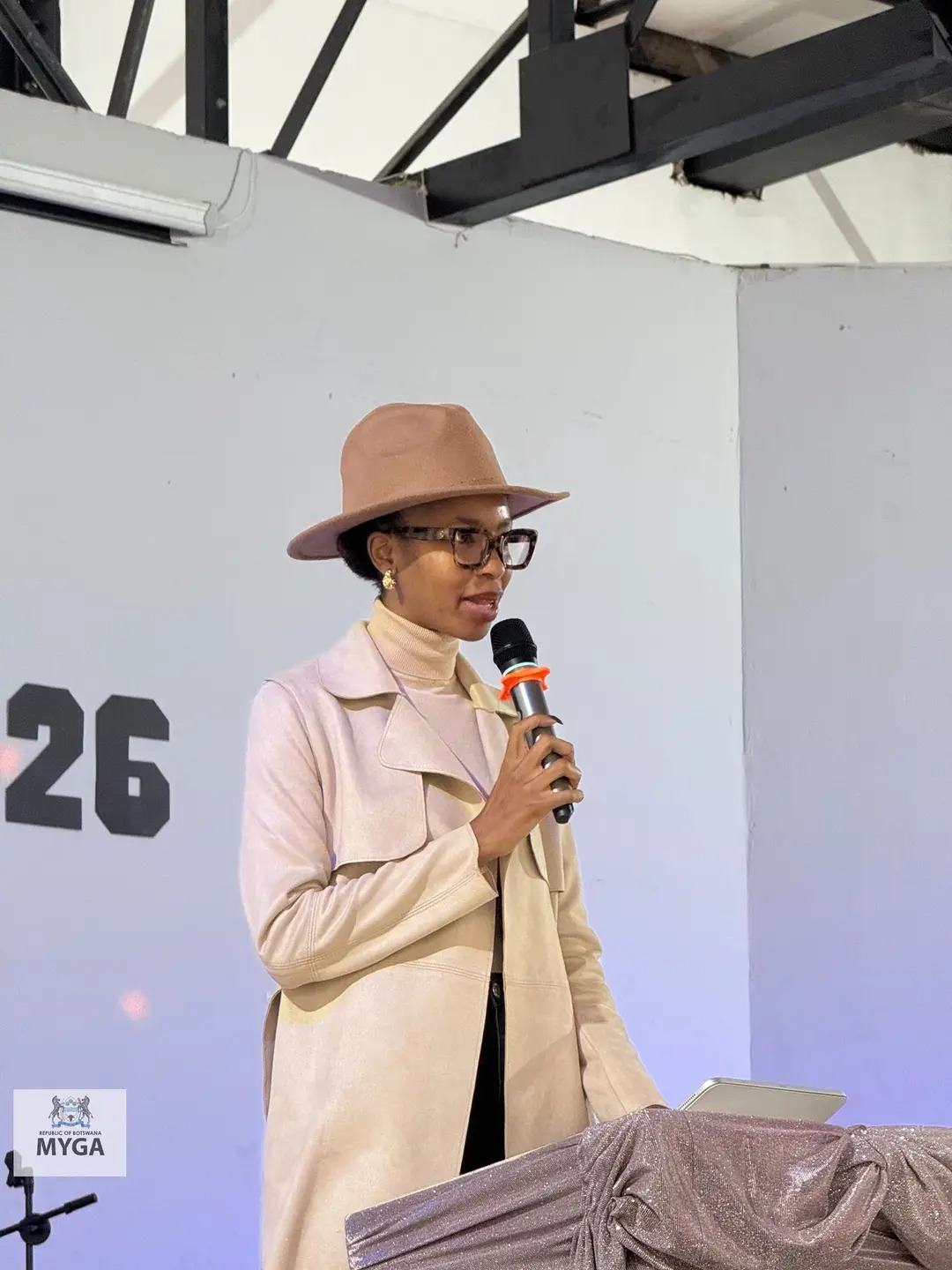
At Regent Hill International School Career Fair, young learners received a strong message focused on innovation, self belief and future readiness. The event brought together education leaders, government officials and industry representatives to guide students on emerging career opportunities. Among the key speakers was the Minister of Youth and Gender Affairs, , who used the platform to motivate learners to think beyond traditional career paths. The engagement highlighted the importance of preparing young people for a rapidly evolving global economy. It also reinforced the need for collaboration between schools, government and industry to shape future talent.
Addressing the learners, Lesego Chombo encouraged them to see themselves as future innovators and problem solvers. She urged them to build confidence and avoid limiting beliefs that could restrict their potential. She noted that Botswana has a generation of ambitious young people who require practical support and clear career direction. Her message focused on empowerment through awareness of opportunities that exist across multiple sectors. She stressed that learners must begin to understand their value in shaping the country’s development.
A key part of her address focused on aligning career goals with real world challenges that require solutions. She encouraged students to identify problems in their communities and develop skills that can address them. She highlighted the importance of exploring emerging industries driven by digital transformation. These include social media management, artificial intelligence, drone technology and other technology based fields. She explained that these sectors are expanding quickly and will continue to create new employment opportunities for skilled youth. Her message positioned technology as a central driver of future careers.
Lesego Chombo also emphasized that academic qualifications alone are no longer enough to guarantee success. She explained that learners must develop practical skills that match the demands of modern workplaces. Critical thinking, adaptability and innovation were highlighted as essential competencies for long term success. She encouraged students to focus on continuous learning and skill development beyond the classroom. She also stressed the importance of communication skills and digital literacy in a technology driven world. According to her message, those who combine education with relevant skills will be best positioned for future opportunities.
Representing the education sector, Acting Deputy Director for Curriculum Development and Evaluation at the , , described the Career Fair as a vital platform for learner development. He explained that such events help students understand where they fit within the wider system of opportunities. He emphasized that every learner has the potential to contribute meaningfully to society when guided correctly. He also noted that the national curriculum plays a central role in shaping future citizens. Career fairs, he said, strengthen this mission by helping learners connect education with real career pathways.
The event hosted at attracted universities, training institutions and industry stakeholders from different sectors. These participants provided learners with information about study options, skills development programmes and career requirements. Students were able to interact directly with professionals and ask questions about their future paths. The exposure helped them understand the variety of opportunities available in both traditional and emerging industries. The Career Fair reinforced the importance of early career planning, skills development and informed decision making. It also highlighted the shared responsibility of education institutions and stakeholders in preparing young people for a competitive and technology driven future.