Strong partnerships between schools and local communities continue to play a vital role in improving the quality of education across Botswana. When communities actively participate in school development projects, they help create better learning environments while strengthening the sense of shared responsibility for education. Shanganani Junior Secondary School in Tsamaya Village recently demonstrated the power of this collaborative approach by partnering with the local community and various stakeholders to refurbish hostel facilities and other important amenities. The initiative brought together educators, community leaders, skilled artisans and residents who volunteered their time, expertise and resources to improve the school’s infrastructure. Their collective efforts highlight the importance of cooperation in supporting students and promoting educational excellence.
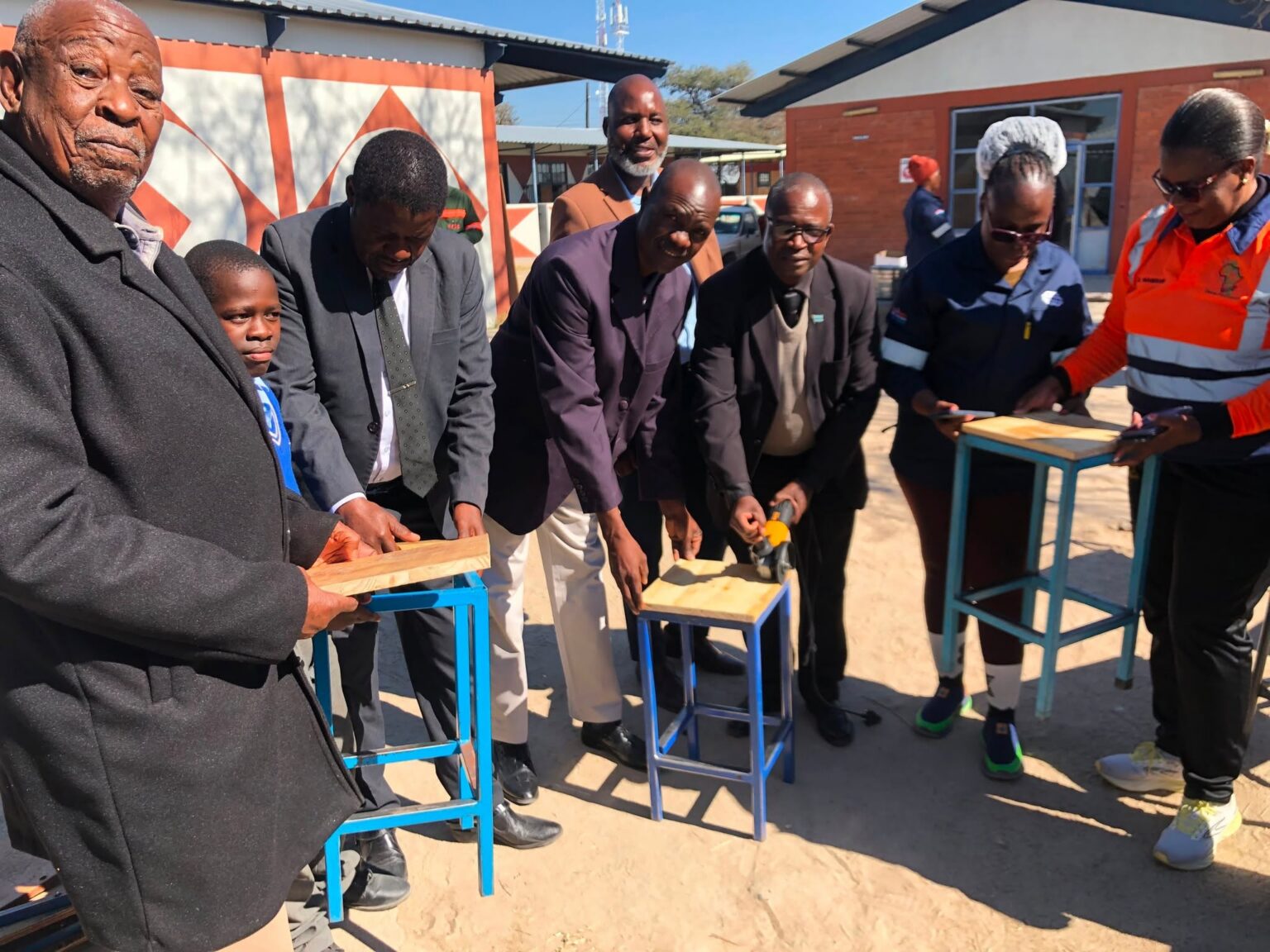
The refurbishment project focused on improving several essential facilities used by learners at Shanganani Junior Secondary School. Among the key improvements were the refurbishment of tables, metal beds and other hostel amenities that are important for students living on campus. Comfortable and well-maintained hostel facilities contribute significantly to students’ wellbeing by providing a safe and supportive environment for study and rest. Properly maintained furniture also enhances the learning experience by ensuring that students have suitable spaces for classroom activities, homework and daily living. Investing in school infrastructure helps create an environment where learners can focus on their education without unnecessary challenges caused by damaged or outdated facilities.
The project demonstrated the strong relationship between the school and the surrounding communities. Rather than relying solely on external assistance, the school engaged local residents through the village leadership to participate directly in the refurbishment programme. This collaborative model encouraged community members to take ownership of the project while contributing their skills and experience for the benefit of local learners. By working together, the school and community strengthened their shared commitment to improving educational facilities and supporting future generations. Such partnerships also build stronger relationships between schools and the communities they serve, creating a culture of cooperation that extends beyond individual projects.
Chief Education Officer responsible for the Masunga Sub Region in the North East Region, Dr Salini Bafaneli, praised the school and community for their commitment to the initiative. He expressed appreciation for the collective effort shown by everyone involved in the refurbishment project. According to Dr Bafaneli, engaging the community through village leadership demonstrated an effective approach to mobilising local support for education. He acknowledged that the willingness of residents to contribute their time and expertise reflected a deep commitment to the success of the school. His remarks recognised the importance of partnerships that bring together education authorities, schools and communities to achieve shared development goals.
Dr Bafaneli also commended the stakeholders for embracing the spirit of self-reliance, which he described as an important expression of patriotism. Self-reliance encourages communities to identify challenges and work together to develop practical solutions using available local resources and skills. This approach reduces dependence on external assistance while promoting responsibility, initiative and active citizenship. According to the Chief Education Officer, participating in community development projects also forms part of the broader learning process by teaching valuable lessons about teamwork, leadership and service. These values benefit both students and community members while contributing to national development.
The refurbishment project covered a wide range of maintenance work across both the academic section of the school and the hostel facilities. Skilled artisans carried out plumbing repairs to improve water systems and ensure reliable access to essential services. Painting work refreshed classrooms, hostels and other buildings, creating cleaner and more welcoming environments for learners and staff. Welding was undertaken to repair metal furniture, beds and structural components that had deteriorated over time. Carpentry work also restored wooden furniture and other important fixtures, extending their lifespan while improving their functionality and appearance.
One of the most remarkable aspects of the project was the voluntary contribution made by local artisans. Skilled workers from the school’s catchment areas generously offered their services free of charge, demonstrating a strong commitment to supporting education within their communities. These artisans came from Tsamaya, Siviya, Themashanga, Mabudzane, Mowana and Jackalas 2, highlighting the broad community support behind the initiative. Their willingness to volunteer professional skills significantly reduced project costs while ensuring that the refurbishment work was completed to a high standard. Community participation of this nature illustrates the valuable role local expertise can play in improving public facilities.
In addition to providing skilled labour, community members contributed their own tools and equipment to complete the refurbishment work. Bringing personal equipment allowed the project to move forward efficiently without placing additional financial pressure on the school. This practical contribution reflected the determination of local residents to ensure the success of the initiative. Sharing resources in this way demonstrates how communities can overcome challenges by working together toward common goals. Such collective action strengthens social bonds while encouraging a culture of cooperation and mutual support.
Well-maintained school facilities provide numerous long-term benefits for both learners and educators. Safe and comfortable classrooms create better conditions for teaching and learning, while quality hostel accommodation supports the wellbeing of boarding students throughout the academic year. Improved infrastructure can also increase student motivation, enhance school pride and reduce maintenance costs by addressing problems before they become more serious. Schools that receive strong community support often benefit from improved relationships with parents, local leaders and surrounding communities. These positive partnerships contribute to a more supportive educational environment where students are encouraged to succeed.
Community-driven development projects also provide valuable examples for young people by demonstrating the importance of volunteerism and civic responsibility. Students who witness adults working together to improve their school learn the value of cooperation, generosity and active participation in community life. These experiences reinforce lessons about citizenship and encourage learners to become responsible members of society in the future. The involvement of local leaders, artisans and residents shows students that education is a shared responsibility that extends beyond the classroom. Such examples help build stronger communities while inspiring future generations to contribute positively to national development.
The successful refurbishment project at Shanganani Junior Secondary School stands as a powerful example of what can be achieved when schools, communities and stakeholders unite behind a common purpose. Through the combined efforts of educators, village leadership, skilled artisans and local residents, important improvements were made to hostel facilities and academic infrastructure that will directly benefit learners. Dr Salini Bafaneli’s recognition of the initiative highlights the importance of self-reliance, patriotism and community participation in strengthening Botswana’s education system. By contributing their labour, tools, expertise and resources, the surrounding communities demonstrated an unwavering commitment to supporting quality education. Initiatives like this not only improve school facilities but also strengthen the partnerships, shared responsibility and community spirit that are essential for creating better opportunities for Botswana’s learners.