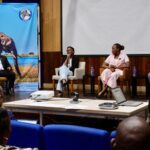
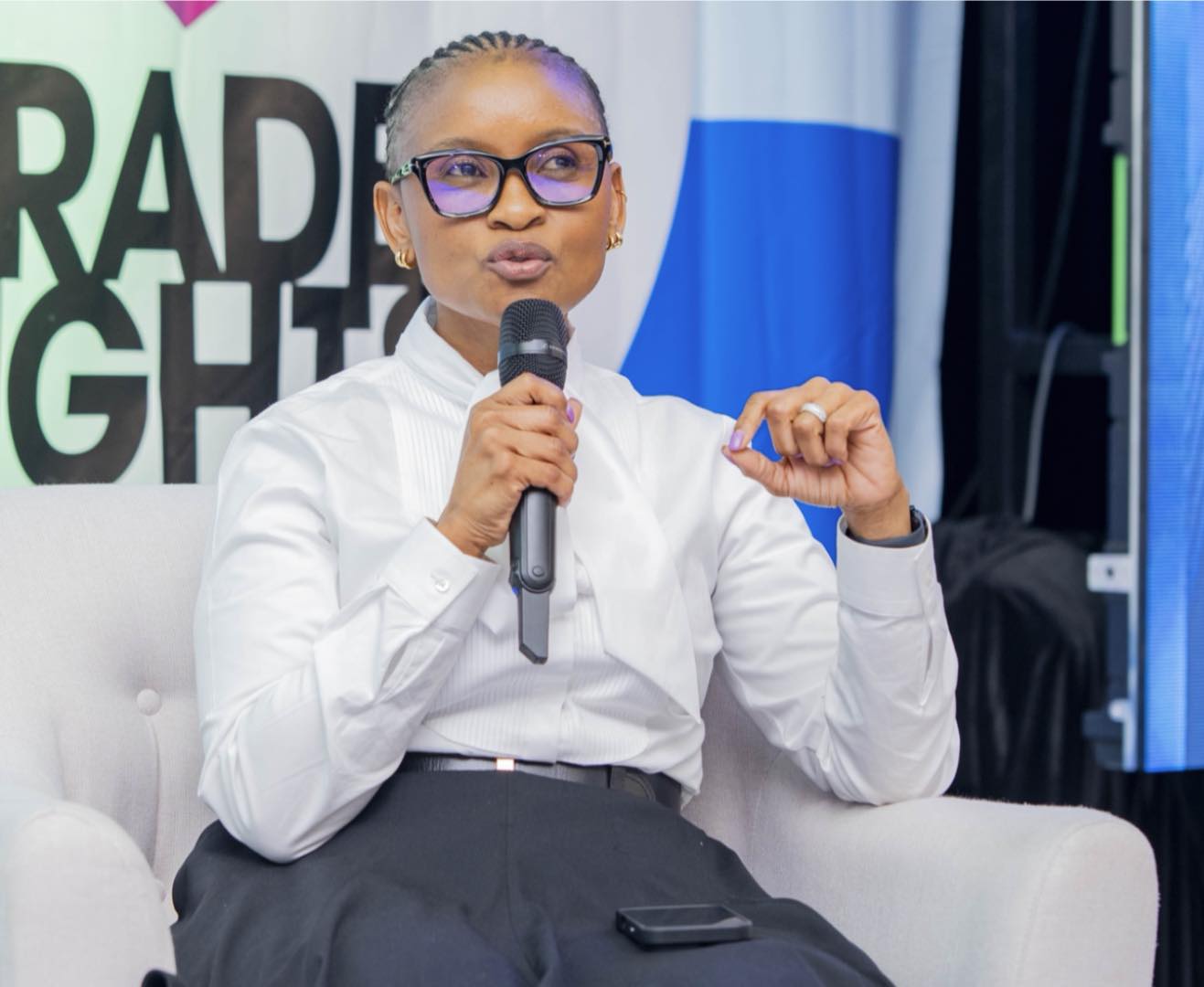
De Beers Group is strengthening its position in human capital leadership as organisations across the world adapt to rapid changes in how people work, connect, and deliver value. The company is responding to major workplace shifts driven by technology, global disruption, and changing employee expectations. Speaking at the Industrial Relations Conference in Gaborone under the theme “Modern Workplace, Modern HR: The Strategic Imperative,” Oankgoga Mongwaketse outlined how human resources must evolve to remain relevant and effective. Her message focused on the need for HR to move beyond administrative roles and become a central driver of business strategy and organisational growth. She stressed that companies that fail to adapt risk falling behind in productivity, innovation, and employee engagement.
Mongwaketse highlighted the growing influence of artificial intelligence, hybrid work structures, and continuous technological disruption in shaping modern workplaces. She explained that these forces are not temporary trends but long-term shifts that are redefining how organisations operate on a daily basis. According to her, human resources leaders must respond by becoming more adaptive, strategic, and people-focused in their approach. She also emphasised that technology should not be viewed as a replacement for human capability but as a tool that enhances efficiency and allows employees to focus on more meaningful work. This perspective places HR professionals in a position where they must balance technological advancement with human wellbeing and organisational culture.
A key part of her address focused on lessons learned during the COVID-19 pandemic, which forced organisations worldwide to rethink traditional office-based working models. Remote working became a necessity during that period and later proved to be both practical and effective for many industries. Mongwaketse noted that this experience challenged long-standing assumptions about productivity and workplace structure. It also demonstrated that flexibility can support performance when properly managed and supported by the right systems. These insights continue to shape how organisations like De Beers Group design their workplace strategies today.
As part of embracing these changes, De Beers Group has introduced a hybrid working model that reflects a more flexible and balanced approach to work. Under this model, employees work remotely for three days a week and spend two days in the office. This structure is designed to support both productivity and collaboration while maintaining strong interpersonal connections among teams. The company believes that in-person interaction still plays an important role in creativity, communication, and team cohesion. At the same time, remote work offers employees greater flexibility and autonomy, which can improve overall job satisfaction and efficiency.
Mongwaketse further emphasised that modern human capital leadership requires HR professionals to have a direct role in organisational decision-making processes. She argued that HR can no longer function on the periphery of business operations and must instead contribute to shaping strategy, innovation, and long-term planning. This requires a deeper understanding of business objectives and the ability to design people-centred solutions that align with organisational goals. She also highlighted the importance of aligning workforce development with changing market demands and technological advancements. In this context, HR becomes a critical partner in ensuring that organisations remain competitive and resilient.
She described future-focused leadership as one that prioritises employee wellbeing, inclusion, and recognition within the workplace. According to her, organisations must create environments where employees feel valued and supported throughout periods of transformation. This includes embracing flexibility, encouraging participation, and ensuring that workers are not left behind as industries evolve. Mongwaketse stressed that successful organisations will be those that actively involve employees in change processes rather than imposing changes without engagement. This approach helps build trust, improves morale, and strengthens organisational culture over time.
The message from De Beers Group reflects a broader shift in global business thinking where people are increasingly seen as central to organisational success. As workplaces continue to evolve, companies are expected to integrate technology with human-centred leadership approaches that prioritise both performance and wellbeing. De Beers Group’s focus on hybrid work, strategic HR leadership, and employee engagement demonstrates how large organisations can adapt to modern challenges while maintaining stability and growth. The emphasis on flexibility, inclusion, and innovation positions the company as a key example of how human capital strategies are evolving in response to global change.