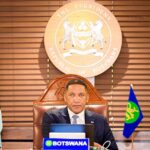

The government of Botswana has clarified that the European Union has not imposed a full ban on the country’s beef exports, easing fears among farmers and the beef industry. The clarification came as authorities continue efforts to control outbreaks of Foot and Mouth Disease in certain regions. The Acting Minister of Agriculture, Edwin Dikoloti, explained that export restrictions apply only to specific zones that are currently affected by the disease. These include Zone 3, Zone C, and Zone 6B. Beef from other disease free zones in Botswana remains eligible for export to the European market. This clarification is important for the country’s beef sector, which depends heavily on international markets for revenue and growth.
Botswana has built a strong reputation over many decades as a reliable supplier of high quality beef to the European Union. The industry plays a major role in rural livelihoods, employment, and national economic stability. The minister emphasized that the country’s veterinary systems continue to follow strict international standards designed to protect export markets. Authorities have intensified monitoring and control measures in affected zones to limit the spread of Foot and Mouth Disease. These measures include movement restrictions, surveillance, and vaccination where necessary. By maintaining strict disease control protocols, Botswana aims to protect both its domestic cattle population and its valuable export markets.
Operations at the Botswana Meat Commission continue as part of efforts to maintain supply to approved markets. Dr Dikoloti reported that the commission slaughtered 665 cattle within the past two days. An additional 550 cattle that meet European Union eligibility standards are expected to be slaughtered in the coming days. This activity demonstrates that the export pipeline remains functional despite the restrictions in certain areas. Processing continues for cattle sourced from zones that comply with EU animal health regulations. These actions help sustain confidence among international buyers while supporting farmers whose cattle remain eligible for export.
The government also continues to mobilize resources to fight the spread of Foot and Mouth Disease. Dr Dikoloti highlighted the importance of partnerships between the public and private sectors in responding to the outbreak. Several companies stepped forward with donations to support disease control operations. The contributions exceeded two million pula and included essential equipment and fuel. These resources will help veterinary teams reach remote areas, monitor cattle movement, and strengthen surveillance systems across affected regions. Quick and coordinated responses are critical to containing outbreaks and restoring full trade access.
Among the contributors was Botswana Oil, which donated 30,000 litres of diesel valued at more than P488,000. Another contribution included drone surveillance services valued at P2 million to improve monitoring of cattle and border areas. Tswana Fuel also donated 10,000 litres of diesel worth P162,800 to support operational mobility for veterinary teams. In addition, authorities received ten advanced solar powered sprayers equipped with improved pressure systems and durable batteries. A further cash contribution of P5,000 was also included in the donations. These tools will help teams conduct disinfection, monitoring, and response work more effectively in affected zones.
Botswana’s beef sector remains resilient despite the current challenges posed by animal disease outbreaks. Government officials continue to stress that the European Union has not shut its doors to Botswana beef entirely. Restrictions remain targeted and are based on internationally accepted disease control principles. Ongoing slaughter operations, strict veterinary oversight, and strong industry partnerships help keep the export system functioning. Continued cooperation between government, farmers, and private companies will play a key role in restoring full market access. Protecting animal health while maintaining trade relationships remains a top priority for Botswana’s agriculture sector.