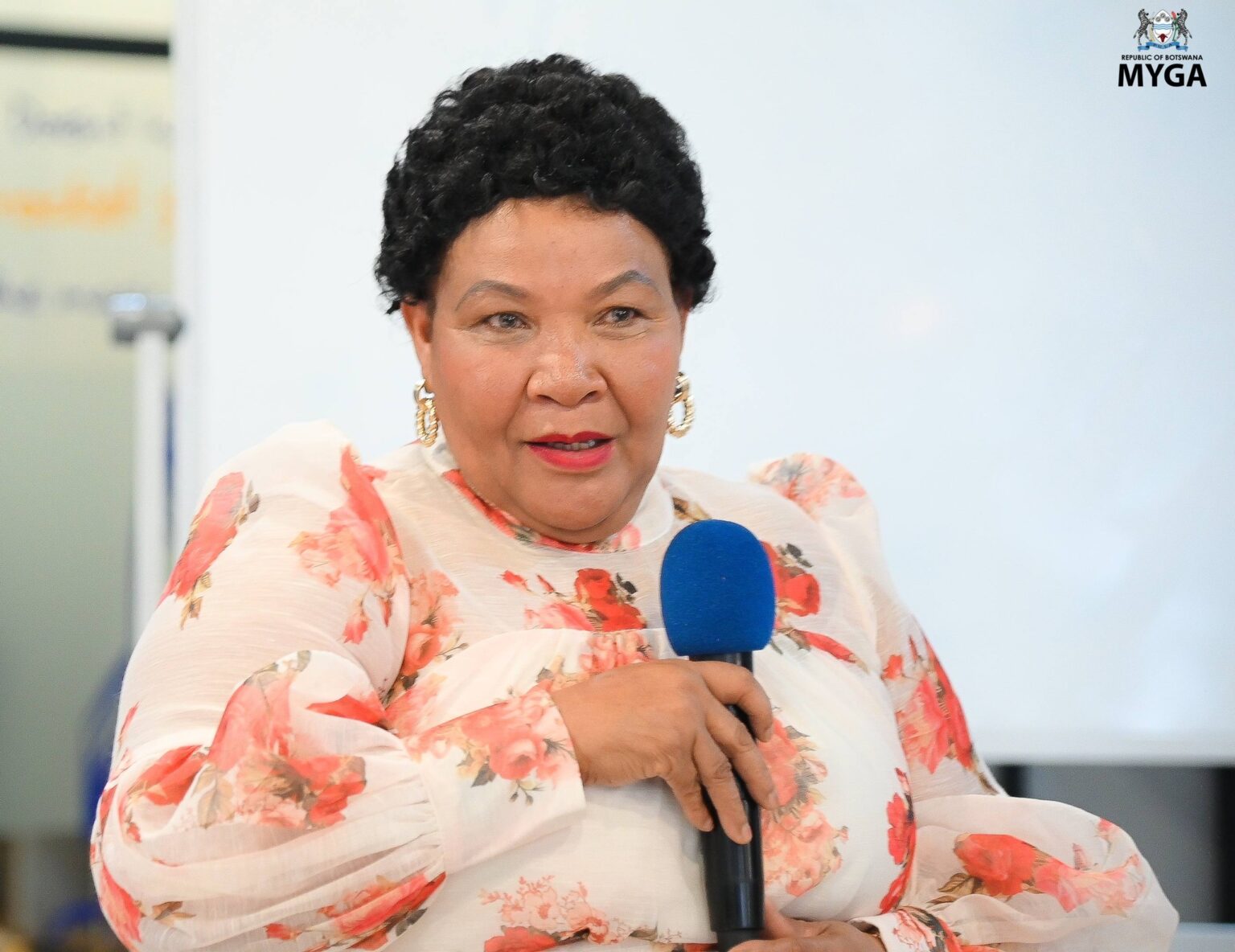
The push to strengthen women-led businesses continues to gain momentum as targeted training initiatives focus on practical financial skills. A recent Financial Literacy Training hosted by the Ministry of Youth and Gender Affairs, in partnership with De Beers Group and United Nations Women, has created new opportunities for women running small-scale enterprises. This programme forms part of the EntreprenHer initiative, which aims to build sustainable businesses led by women across the country. The training brought together participants who are actively engaged in entrepreneurship but need structured financial knowledge to grow. By focusing on real business challenges, the initiative addresses gaps that often limit small enterprises from scaling.
The training was coordinated by Lydia Mafhoko-Ditsa from the Gender Department, who played a central role in shaping its direction and delivery. The sessions focused on key financial principles that directly impact business performance and sustainability. Participants learned how to maintain accurate records, track income and expenses, and manage cash flow with discipline. These skills are essential because poor financial management is one of the main reasons small businesses fail within their first few years. By breaking down complex financial concepts into practical steps, the programme ensured that participants could apply what they learned immediately.
A strong emphasis was placed on understanding profit and loss statements, which many small business owners often overlook. Participants were guided on how to prepare these statements and use them to evaluate business performance. This approach helps entrepreneurs make informed decisions based on actual data rather than assumptions. When business owners understand their numbers, they can identify areas of growth, control costs, and improve profitability. The training also linked financial literacy to long-term sustainability, showing how consistent financial practices can support expansion and stability.
Mrs. Mafhoko-Ditsa encouraged participants to take the training seriously and apply the knowledge in their daily operations. She stressed that financial literacy is not just about managing money but also about positioning a business for growth. Entrepreneurs who understand their finances are better equipped to market their products, attract customers, and secure funding. Her message was clear and practical, urging women to treat their businesses as structured enterprises rather than informal activities. She also noted that the EntreprenHer Programme has already delivered measurable results, with many women improving their operations and increasing their income.
The role of partnerships in driving this initiative was also highlighted during the programme. Mrs. Tumie Ramsden from De Beers Group spoke about the importance of micro-enterprises in strengthening the economy. She pointed out that small businesses create jobs, support families, and contribute to local development. De Beers continues to invest in enterprise development programmes that support women entrepreneurs, recognizing their potential to drive economic growth. This commitment reflects a broader strategy to build inclusive economic systems where women have equal opportunities to succeed.
The involvement of United Nations Women further strengthens the programme by aligning it with global goals on gender equality and economic empowerment. Their participation ensures that the initiative follows proven frameworks that support women in business. It also brings credibility and structure, which helps attract more support and participation. When global organizations collaborate with local institutions, the impact becomes more sustainable and far-reaching. This type of partnership ensures that training programmes are not isolated events but part of a larger development strategy.
The outcomes of the Financial Literacy Training are expected to extend beyond the immediate participants. Women who gain these skills often share knowledge within their communities, creating a ripple effect that benefits others. Improved financial management leads to stronger businesses, which in turn contribute to economic stability. As more women succeed in entrepreneurship, they create role models for the next generation. This cycle of growth and empowerment supports long-term development goals at both community and national levels.
The EntreprenHer Programme continues to show that targeted support can produce real results when it focuses on practical skills and consistent follow-up. Financial literacy remains one of the most critical tools for any entrepreneur who wants to build a sustainable business. By equipping women with the ability to manage, grow, and market their enterprises effectively, this initiative lays a strong foundation for future success. Continued collaboration between government, private sector partners, and global organizations will be essential to expand this impact. The progress seen so far confirms that investing in women entrepreneurs is a direct investment in economic growth and long-term stability.