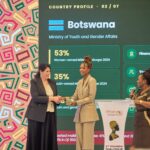

As Botswana observes International Women’s Day, the Director of the Gender Affairs Department, Ms. Onneetse Makhumalo, has presented a detailed review of both achievements and ongoing challenges in the pursuit of gender parity. Speaking under the theme “Give to Gain: Advancing Justice, Equality and Empowerment for Women and Girls,” she emphasized that women form the foundation of the nation and that their empowerment benefits society as a whole. Makhumalo called on men to actively support and uplift women, noting that providing women with the resources and opportunities to thrive multiplies value across families, communities, and the economy. The reflection on this day served not only to celebrate women’s contributions but also to highlight the strategic importance of advancing justice and equality for sustainable national development.
In her address, Makhumalo outlined key milestones that demonstrate tangible progress in women’s empowerment. She cited significant strides in achieving parity in the education sector, ensuring that more girls and young women gain access to quality learning opportunities. The increasing representation of women in leadership positions across government, business, and civil society was also highlighted as a marker of progress. Legislative reforms, including the Revised Lands Policy and the reformed Domestic Violence Act, were noted as critical instruments in safeguarding women’s rights and promoting equality. These achievements reflect deliberate policy interventions and societal efforts to create structural support for women’s participation in all areas of national life.
Despite these successes, Makhumalo acknowledged that significant challenges remain. Political representation for women still lags behind desired levels, limiting influence on decision-making processes that shape the country’s future. Women in informal labor sectors face job insecurity and limited access to social protections, affecting their economic stability and independence. The persistent threat of gender-based violence continues to undermine safety and well-being, requiring sustained legal, social, and community interventions. Makhumalo emphasized that addressing these issues demands a coordinated approach involving political leaders, private sector actors, and civil society to ensure meaningful and lasting change.
Makhumalo framed progress as a series of “natural and spontaneous changes” that must be intentionally guided through policy, advocacy, and public engagement. While past achievements provide a blueprint, she urged renewed commitment to address current obstacles with focus and determination. The celebration of International Women’s Day thus becomes both a recognition of accomplishments and a call to action for continued advancement. By promoting gender equality and empowering women, Botswana strengthens social cohesion, economic growth, and national development. Intentional, sustained action across all sectors will be essential to transform the blueprint of success into enduring equality for women and girls.