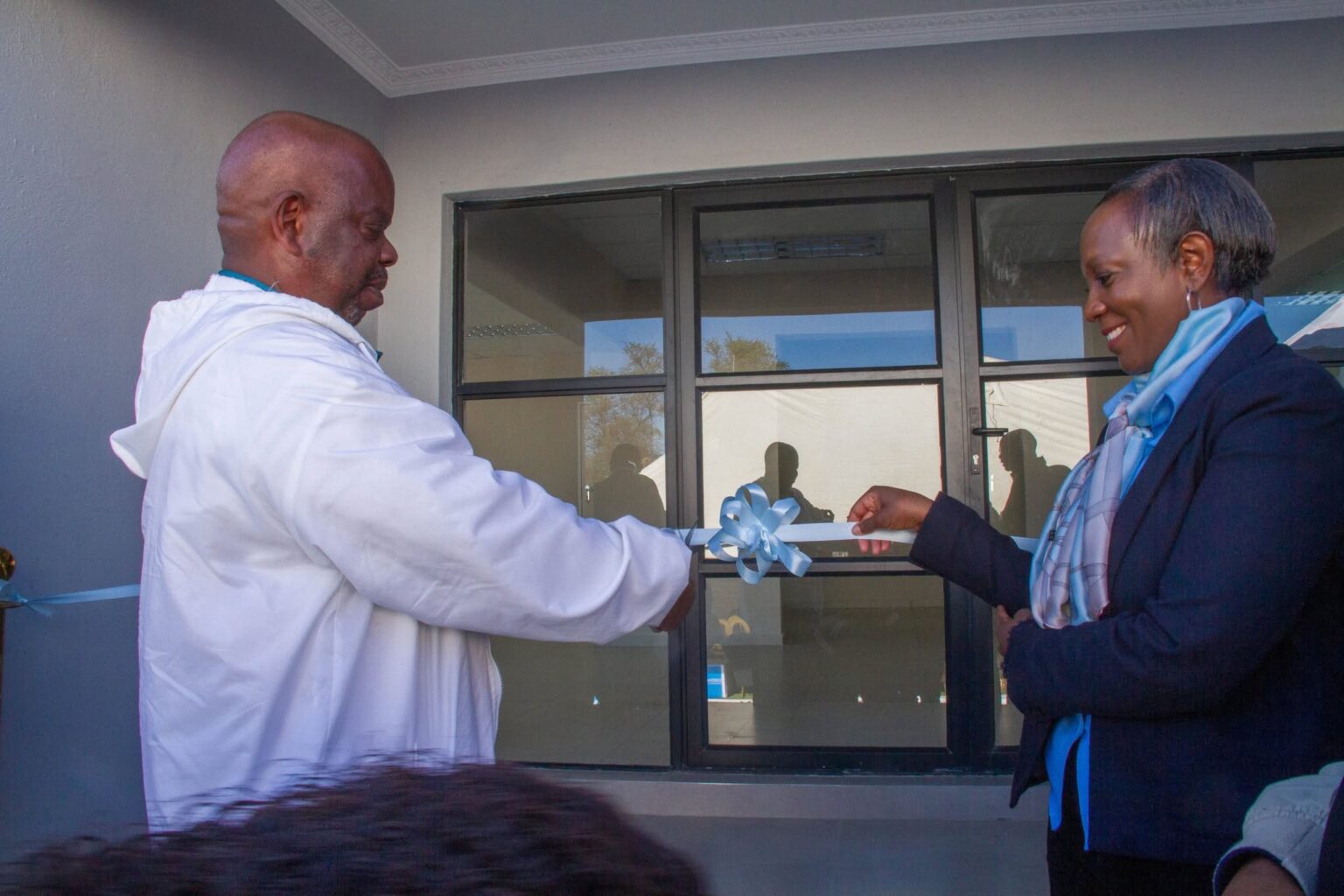
Jwaneng Mine officially handed over the upgraded Mmalekwa Cultural Heritage Site to the Kanye District Council and the Mmalekwa Trust Committee on Friday, 10 July 2026, marking an important milestone in the preservation of Botswana’s cultural heritage. The handover ceremony reflected the mine’s ongoing commitment to supporting sustainable community development while protecting the country’s rich history and cultural identity. The project demonstrates how responsible mining can extend beyond mineral extraction by creating meaningful and lasting benefits for surrounding communities. Through strategic investments in cultural preservation, heritage sites can continue educating future generations while contributing to local economic growth. The successful completion of the project reinforces the value of partnerships between the private sector, local authorities and community organizations in advancing national development.
Speaking during the official handover ceremony, Jwaneng Mine General Manager Goitseone Gadifele said the investment represents Debswana’s strong belief that sustainable development goes beyond mining operations. He explained that preserving Botswana’s history, culture and identity is an essential part of ensuring that future generations inherit a nation that values its heritage. According to Gadifele, investments in cultural infrastructure create opportunities for communities while protecting sites that hold historical and traditional significance. His remarks highlighted the importance of balancing economic development with cultural preservation, ensuring that progress does not come at the expense of the nation’s identity. The project reflects Debswana’s broader vision of creating long-term value that extends well beyond the lifespan of mining activities.
The upgraded Mmalekwa Cultural Heritage Site was constructed at a cost of more than P1.7 million and includes several new facilities designed to improve accessibility, functionality and visitor experience. The development features a mini hall, library, kitchen and cafeteria, modern ablution facilities, a kiosk, a parking area and boundary infrastructure. These additions significantly improve the site’s ability to accommodate visitors, educational activities and community events throughout the year. Improved facilities also create a more welcoming environment for both local residents and tourists interested in learning about Botswana’s cultural history. The investment demonstrates careful planning aimed at ensuring that the heritage site remains both functional and sustainable for many years to come.
Beyond preserving history, the upgraded heritage site is expected to create meaningful economic opportunities for the surrounding community. Gadifele explained that the development provides the Mmalekwa Trust Committee with opportunities to generate sustainable income through the management and operation of the improved facilities. Revenue generated from tourism activities, venue hire, visitor services and related enterprises can support the long-term maintenance of the site while benefiting local residents. Such initiatives encourage entrepreneurship by creating business opportunities linked to cultural tourism and hospitality services. This approach ensures that heritage preservation becomes an active contributor to community development rather than solely serving as a historical landmark.
Employment creation forms another important benefit of the Mmalekwa Cultural Heritage Site project. As visitor numbers increase, additional opportunities may emerge in areas such as tourism services, maintenance, administration, catering, retail and cultural education. Local residents can benefit directly from jobs created through the operation and management of the upgraded facilities. Skills development associated with tourism and heritage management also strengthens the community’s capacity to participate in Botswana’s growing tourism sector. These employment opportunities contribute to improving livelihoods while ensuring that economic benefits remain within the local community.
The project also has significant potential to strengthen Botswana’s cultural and heritage tourism industry. Cultural tourism continues to attract visitors seeking authentic experiences that showcase a country’s traditions, history and identity. Sites such as Mmalekwa provide valuable opportunities for visitors to learn about local customs, historical events and traditional leadership while supporting nearby businesses. Expanding heritage tourism complements Botswana’s well-established wildlife tourism industry by diversifying visitor experiences and encouraging longer stays. This broader tourism offering supports national efforts to diversify the economy through sustainable sectors that generate income and employment.
Gadifele noted that the project builds upon Debswana’s long-standing partnership with the Kanye District Council. Strong collaboration between corporate organizations, local government and community structures allows development projects to respond more effectively to local priorities and needs. Working together ensures that investments deliver lasting value while strengthening local ownership and accountability. The successful completion of the Mmalekwa Cultural Heritage Site reflects the benefits of shared planning, cooperation and mutual commitment to sustainable development. Partnerships of this nature continue to play an important role in advancing community development across Botswana.
The investment also aligns closely with Debswana’s Ya Masa Strategy, which focuses on creating lasting value through responsible mining, meaningful partnerships and sustainable community development. The strategy recognizes that mining companies have an important responsibility to contribute positively to the social and economic wellbeing of the communities in which they operate. Projects that preserve cultural heritage while creating economic opportunities demonstrate how responsible corporate investment can support broader national development objectives. By integrating community development into its long-term business strategy, Debswana continues working toward outcomes that benefit both present and future generations. The Mmalekwa project stands as a practical example of this commitment in action.
According to Gadifele, protecting heritage sites such as Mmalekwa contributes to more than cultural preservation alone. He emphasized that safeguarding Botswana’s historical landmarks also supports economic diversification by attracting visitors, strengthening local businesses and encouraging community pride. Heritage sites often become important educational resources where young people can learn about their history while visitors gain a deeper understanding of the country’s cultural identity. Maintaining these sites also helps preserve traditional knowledge and stories that form an important part of Botswana’s national heritage. Through continued investment in heritage conservation, communities can celebrate their history while creating opportunities for future growth.
The handover ceremony was attended by prominent leaders from the Kanye community, reflecting the significance of the occasion. Those present included the Paramount Chief of Bangwaketse, Kgosikgolo Malope II, Kanye Area Member of Parliament Hon. Victor Phologolo, Kanye District Council Chairperson Hon. Morapedi Kgosithebe, Kanye District Commissioner Mr. Mompoloki Gavin Mochanang and Kanye District Council Secretary Mr. Joseph Banyatsang. Their presence demonstrated strong support for initiatives that combine heritage preservation with community development. The participation of traditional and government leaders also highlighted the shared responsibility of protecting Botswana’s cultural resources for future generations.
The official handover of the Mmalekwa Cultural Heritage Site represents another important milestone in Debswana’s ongoing investment in communities within its Area of Influence. By preserving cultural heritage while creating opportunities for tourism, employment and local enterprise, the project delivers benefits that extend well beyond the physical infrastructure itself. The upgraded facility stands as an example of how responsible mining can contribute to education, economic diversification and community empowerment alongside natural resource development. As Botswana continues promoting sustainable development, investments in cultural heritage will remain valuable assets that strengthen national identity and local prosperity. The Mmalekwa Cultural Heritage Site is now well positioned to educate, inspire and benefit generations of Batswana while serving as a lasting symbol of partnership, preservation and community progress.