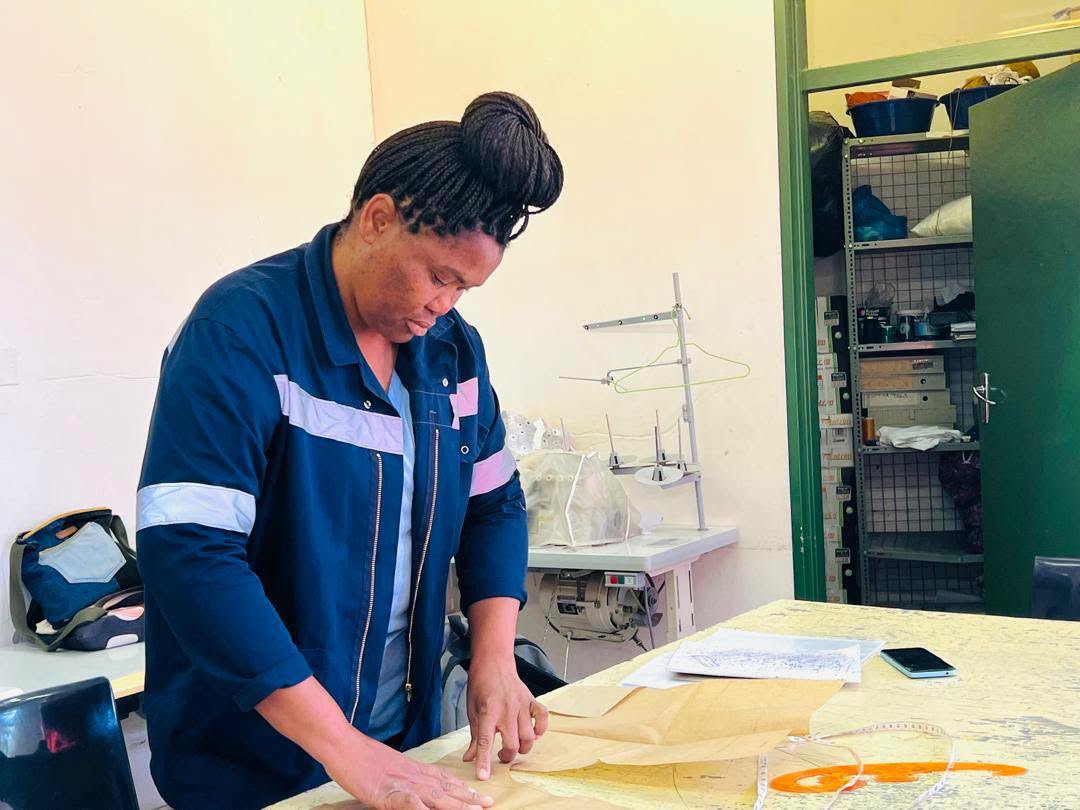
The Jwaneng Town Council is strengthening skills development and economic empowerment through a dressmaking training programme designed to equip local beneficiaries with practical vocational skills and sustainable income opportunities. The initiative is being implemented by the council’s Home Economics Department under the Ikageng Public Works Programme (IPWP), a government programme focused on improving livelihoods through technical and vocational training. By providing participants with industry-relevant knowledge and hands-on experience, the programme aims to prepare them for successful careers in the fashion and clothing sector. Skills development initiatives such as this play an important role in addressing unemployment while encouraging entrepreneurship and self-reliance. As Botswana continues to invest in human capital development, programmes like the IPWP are creating new opportunities for individuals to build sustainable futures.
The first cohort of the dressmaking programme consists of ten beneficiaries who are currently undergoing intensive practical training. The participants are expected to sit for a practical examination administered by the Madirelo Training and Testing Centre in December after completing a year-long training programme. They will be assessed alongside the first group of carpentry trainees who are also enrolled under the Ikageng Public Works Programme. The examinations will provide beneficiaries with an opportunity to demonstrate the technical skills they have acquired throughout their training. Successfully completing the assessment will place them in a stronger position to pursue employment opportunities or establish their own businesses within Botswana’s growing fashion and textile industry.
According to Senior Technical Assistant for Dressmaking, Ms. Kesegofetse Seabe, enrolment for the programme began in April as part of the council’s efforts to ensure participants completed the training within the planned timeframe. She explained that the council prioritized beneficiaries who had previously received training under the Economic Empowerment Programme. This approach allowed participants to build upon existing knowledge and skills, enabling them to progress more efficiently through the current training programme. By selecting beneficiaries with prior exposure to vocational development, the council has created a pathway that encourages continuous learning and professional growth. The strategy also supports the government’s broader objective of maximizing the impact of existing empowerment initiatives through integrated skills development.
Ms. Seabe noted that the training has been progressing well, with participants showing commitment and enthusiasm as they develop their technical abilities. Throughout the programme, learners receive practical instruction in garment construction, sewing techniques, pattern cutting and clothing design while gaining valuable experience through hands-on projects. The practical nature of the training enables beneficiaries to build confidence while producing quality garments that meet market expectations. As their skills improve, many participants have already begun positioning themselves within the local fashion market by exploring opportunities to attract customers and showcase their work. This early exposure to entrepreneurship helps learners understand the realities of running a small business while developing valuable commercial skills.
Recognizing that technical training alone is not always enough to ensure long-term success, the Jwaneng Town Council has introduced an incubation programme that will be implemented once participants complete their training. The incubation programme is designed to bridge the gap between training and independent business ownership by providing graduates with continued support during the early stages of their entrepreneurial journey. According to Ms. Seabe, beneficiaries will receive access to operational workspace, equipment and ongoing mentorship until they are able to establish themselves independently. This additional support is expected to reduce many of the barriers that new entrepreneurs often face, including limited access to equipment and affordable business premises. The incubation model demonstrates the council’s commitment to ensuring that training translates into meaningful economic opportunities.
Providing operational support after graduation significantly increases the likelihood that participants will succeed in establishing sustainable businesses. Many aspiring entrepreneurs possess the technical skills required to produce quality products but often struggle to access the resources needed to launch and grow their enterprises. By making equipment and workspace available, the council allows beneficiaries to focus on building customer relationships, improving product quality and developing sustainable business practices. Continued mentorship also provides valuable guidance on financial management, marketing and business planning, which are essential for long-term success. This comprehensive approach creates a stronger foundation for graduates to transition from trainees into successful business owners.
The Ikageng Public Works Programme represents a major evolution of Botswana’s previous Ipelegeng Programme by placing greater emphasis on skills development, productivity and inclusive economic empowerment. Rather than focusing solely on temporary employment opportunities, the programme seeks to equip beneficiaries with technical and vocational skills that can generate lasting income and career opportunities. Through initiatives such as dressmaking and carpentry training, the government is responding to the country’s socio-economic needs while supporting workforce development in practical industries. Vocational training also contributes to national economic growth by creating skilled artisans who can provide valuable services within their communities. As demand for locally produced goods and specialized services continues to grow, programmes like the IPWP help ensure that Botswana develops a skilled and competitive workforce.
The fashion and clothing industry offers considerable opportunities for entrepreneurship, particularly for individuals with strong technical skills and creativity. Skilled dressmakers can establish tailoring businesses, produce school uniforms, create traditional attire, design contemporary fashion and provide alteration services to local communities. These businesses have the potential to generate employment while contributing to local economic activity and supporting Botswana’s broader diversification efforts. Encouraging more entrepreneurs to enter the fashion sector also promotes local manufacturing and reduces dependence on imported clothing products. With appropriate training, mentorship and business support, graduates can become important contributors to both their local economies and the national development agenda.
The dressmaking training programme being implemented by the Jwaneng Town Council demonstrates how targeted vocational education can create meaningful opportunities for individuals while supporting national economic objectives. By combining practical skills training with business incubation and ongoing mentorship, the initiative prepares beneficiaries not only to complete their examinations but also to establish successful careers and businesses. The programme reflects the government’s commitment to empowering citizens through sustainable skills development rather than short-term assistance alone. As the first cohort prepares for its practical examinations in December, the beneficiaries are well positioned to transform their newly acquired skills into long-term economic opportunities. Through initiatives like the Ikageng Public Works Programme, Botswana continues to invest in building a skilled, entrepreneurial and resilient workforce capable of contributing to inclusive economic growth.