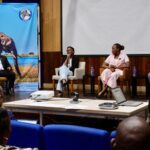

Lobatse District has reaffirmed its commitment to promoting gender equality by hosting a Gender Mainstreaming capacity-building session for members of the District Gender Committee (DGC). The initiative was designed to strengthen the integration of gender equality into district planning, service delivery and development initiatives across the district. The training brought together key stakeholders to improve their understanding of gender-responsive planning and to equip them with practical knowledge that supports inclusive governance. By focusing on gender mainstreaming, the session aimed to ensure that development programmes benefit both women and men fairly while addressing barriers that continue to affect equal participation. The event reflects Botswana’s ongoing efforts to create inclusive communities where every individual has equal opportunities to contribute to national development.
Officially opening the session, Mr. Felix Mapeu emphasized the importance of ensuring that government programmes deliver equitable benefits to all members of society. He explained that the training was intended to strengthen the capacity of stakeholders responsible for implementing district development initiatives. According to Mapeu, gender mainstreaming is essential because it promotes fairness, equal opportunities and inclusive development that leaves no one behind. He noted that integrating gender considerations into planning and decision-making helps create policies and services that respond to the needs of diverse communities. His remarks highlighted the district’s commitment to ensuring that development initiatives are designed and implemented with equality at their core.
Facilitating the session, Nlipilili Nlebgwa provided participants with an in-depth understanding of gender mainstreaming and its importance in public administration and community development. She explained that gender mainstreaming involves creating gender-responsive policies and programmes that address the unique needs of both women and men. Rather than treating gender equality as a separate issue, she encouraged participants to integrate it into every stage of planning, implementation and evaluation. This approach ensures that development initiatives are more inclusive, effective and responsive to the realities faced by different groups within society. Nlebgwa stressed that meaningful progress can only be achieved when gender equality becomes a central consideration in decision-making processes.
Nlebgwa also highlighted that lasting transformation requires addressing harmful social norms, attitudes and systems that continue to perpetuate gender inequality. She explained that deeply rooted stereotypes and discriminatory practices often limit opportunities for both women and men, preventing communities from reaching their full potential. Challenging these barriers requires collective action from government institutions, civil society organizations, communities and individuals. She emphasized that creating an inclusive society depends on the active participation of all stakeholders who are committed to promoting equality and ensuring that every person has an equal opportunity to succeed. Her presentation encouraged participants to view gender equality as a shared responsibility rather than the responsibility of a single institution.
During the session, Nlebgwa also outlined the Terms of Reference of the District Gender Committee, explaining its critical role in advancing gender equality at the local level. She described the DGC as a multi-sectoral platform that brings together representatives from various sectors to coordinate efforts aimed at integrating gender equality into district planning and service delivery. The committee is tasked with raising awareness about gender equality and Gender-Based Violence while monitoring and reporting on progress made within the district. By bringing together different stakeholders, the committee helps ensure that gender issues are addressed through coordinated action rather than isolated initiatives. This collaborative approach strengthens accountability and improves the effectiveness of programmes designed to promote equality.
Continuing the training, Ms. Constancia Basinyi emphasized the practical importance of gender mainstreaming in district development. She explained that integrating gender considerations into planning allows districts to identify and address local gender gaps and inequalities more effectively. This process helps ensure that development programmes are designed to meet the needs of all community members while improving the efficiency and inclusiveness of public services. Basinyi noted that gender-responsive planning also contributes to better budgeting by ensuring that resources are allocated fairly and strategically. As a result, districts are better positioned to deliver sustainable development outcomes that benefit everyone equally.
Basinyi further shared findings from the Botswana Gender Monograph, which indicate that women and girls continue to shoulder the majority of unpaid care responsibilities within households. These responsibilities often include caring for children, elderly family members and managing household duties, leaving less time for education, employment and leadership opportunities. She explained that this unequal distribution of unpaid care work continues to limit women’s economic participation and career advancement. Referring to the World Bank’s gender analysis for Botswana, Basinyi noted that unpaid care work remains a significant barrier to women’s productivity and economic empowerment. She stressed that addressing this imbalance is essential if Botswana is to achieve greater gender equality and inclusive economic growth.
The session also highlighted the importance of promoting balanced representation in leadership and decision-making positions across both the public and private sectors. Basinyi encouraged government stakeholders to advocate for equal representation of women and men in Parliament, Cabinet, government institutions and private sector leadership roles. She emphasized that inclusive leadership leads to more balanced decision-making and ensures that diverse perspectives are reflected in policies and development strategies. Removing barriers that limit participation is essential for creating opportunities based on merit rather than gender. Her call reinforced the need for continued efforts to build institutions that reflect the diversity of the communities they serve.
The Gender Mainstreaming capacity-building session concluded with a renewed commitment from Lobatse District and its stakeholders to advance gender equality through coordinated planning, inclusive governance and collaborative action. The discussions demonstrated that achieving meaningful gender equality requires more than policy commitments, as it also depends on changing attitudes, strengthening institutions and encouraging active participation from all sectors of society. By equipping members of the District Gender Committee with the necessary knowledge and practical tools, the district has taken another important step toward building more inclusive development processes. The session also reinforced the importance of addressing persistent challenges such as unpaid care work, unequal representation and gender-based violence through coordinated interventions. As Lobatse District continues integrating gender equality into its planning and service delivery, it is helping create a more equitable future where women and men can participate equally in the social, economic and political development of Botswana.