
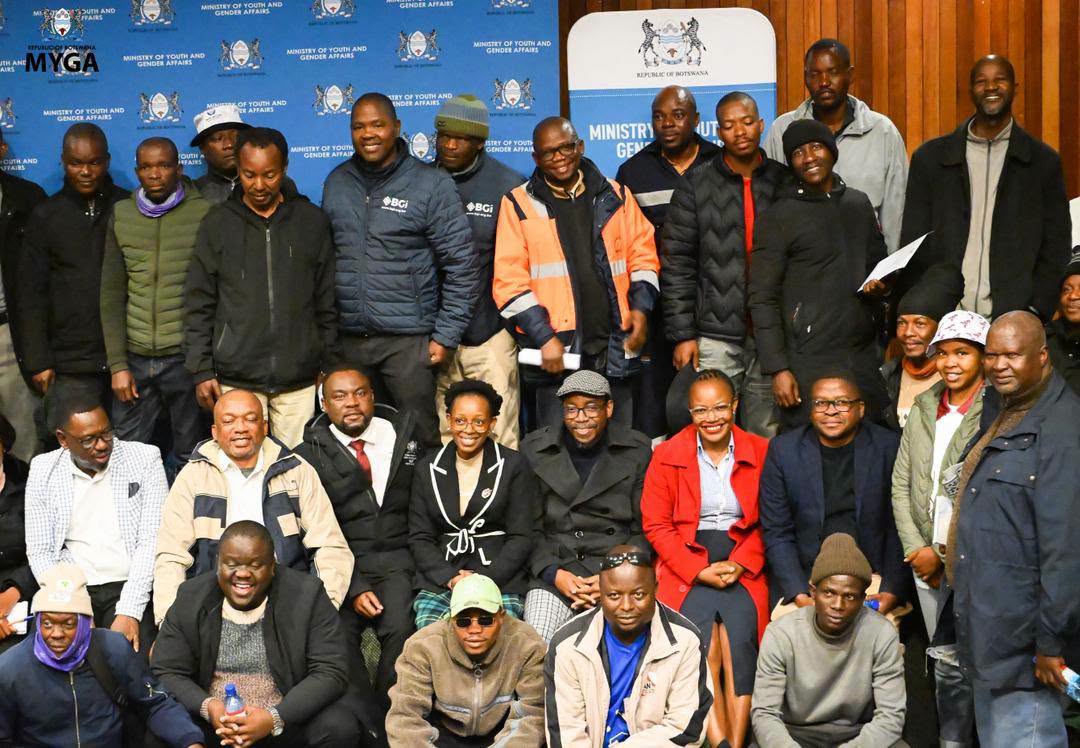
Mental health continues to be one of the most important yet often overlooked aspects of personal well-being, particularly among men who are frequently expected to remain strong and silent during difficult times. In Lobatse, an inspiring community dialogue challenged these long-standing beliefs by creating a safe space where men could openly discuss their struggles, emotions and personal experiences. Held under the powerful theme, “You Don’t Have to Carry it Alone,” the event brought together men from different backgrounds with a shared goal of promoting emotional wellness, healthy relationships and stronger support systems. The dialogue highlighted the importance of breaking the stigma surrounding men’s mental health while encouraging honest conversations that can lead to healing and positive change. By giving participants an opportunity to listen, learn and share, the gathering demonstrated that mental health is a community responsibility that deserves greater attention and ongoing support.
The event attracted a full house, reflecting the growing recognition that mental health issues affect men from every walk of life. Participants attended with a willingness to gain knowledge, share personal experiences and receive guidance from professionals who understand the challenges associated with emotional well-being. The programme featured a comprehensive mental health presentation alongside motivational discussions, rehabilitation conversations and healing sessions designed to inspire hope and resilience. Each speaker contributed valuable insights that encouraged attendees to reflect on their own lives while recognizing that asking for help is a sign of strength rather than weakness. The atmosphere throughout the event remained welcoming and respectful, allowing meaningful conversations to take place without fear of judgment.
One of the key messages delivered during the dialogue was that men should feel empowered to express their emotions instead of suppressing them. Many participants acknowledged that cultural expectations often discourage men from discussing stress, anxiety, depression or emotional pain. Over time, these unspoken struggles can negatively affect relationships, work performance and overall mental health. The speakers explained that bottling up emotions may contribute to anger, conflict and, in some situations, violence. Encouraging emotional openness was therefore presented as an essential step toward building healthier individuals, stronger families and more peaceful communities.
A standout feature of the event was the introduction of the “Burden Box,” an anonymous platform that allowed participants to submit questions, concerns and personal struggles without revealing their identities. This innovative approach gave attendees the confidence to raise sensitive issues they might otherwise have been uncomfortable discussing publicly. The anonymous submissions created honest conversations that reflected the real challenges many men face every day. By removing the fear of embarrassment, the Burden Box encouraged greater participation and ensured that difficult topics could be addressed thoughtfully and respectfully. The exercise demonstrated how creating safe and confidential spaces can encourage people to seek guidance before their problems become overwhelming.
Among the questions submitted through the Burden Box was, “Why do women take long to identify an abusive partner?” This important question led to a thoughtful discussion about recognizing early warning signs in unhealthy relationships. The panel explored how emotional manipulation, control and psychological abuse often develop gradually, making them difficult to identify during the early stages of a relationship. The discussion also emphasized that preventing gender-based violence requires collective responsibility from both men and women. Education, awareness and open communication were identified as critical tools for building respectful relationships and reducing the prevalence of abuse within communities.
The dialogue extended beyond identifying problems by encouraging participants to become active supporters of one another long after the event had ended. Attendees reflected on practical ways to continue promoting positive mental health within their families, workplaces and communities. Many agreed that regular conversations between friends, relatives and colleagues can help reduce feelings of isolation while creating stronger support networks. Participants also emphasized the importance of mentoring younger men and encouraging them to develop healthy coping mechanisms from an early age. These commitments reflected a shared understanding that mental wellness requires continuous care rather than one-time interventions.
Professional support was another major topic discussed throughout the programme. Speakers reminded attendees that seeking help from counsellors, psychologists or other mental health professionals should never be viewed as a sign of failure. Instead, professional guidance provides valuable tools for managing stress, overcoming trauma and developing healthier emotional habits. Participants were encouraged to recognize when personal challenges become difficult to manage alone and to reach out for assistance without fear of stigma. Expanding access to mental health services while normalizing their use remains an important step toward improving overall well-being.
The dialogue also reinforced the connection between positive mental health and healthier relationships. When men are able to communicate openly about their emotions, they are often better equipped to resolve conflicts peacefully, strengthen family bonds and support those around them. Emotional resilience enables individuals to cope more effectively with life’s pressures while reducing the likelihood of destructive behaviour. By encouraging self-awareness and honest communication, the event highlighted how mental wellness contributes directly to safer homes and stronger communities. These lessons serve as valuable reminders that emotional health affects every aspect of daily life.
The overwhelming participation in the Lobatse men’s mental health dialogue demonstrated that many men are ready to challenge outdated stereotypes and embrace more open conversations about emotional well-being. The willingness of attendees to engage with difficult topics reflected a growing awareness that silence often prevents healing rather than protecting it. Community-driven initiatives such as this provide valuable opportunities for education, mutual support and personal growth. They also help build lasting relationships that encourage individuals to seek help whenever they need it. Creating more events like this can play a significant role in improving mental health outcomes across Botswana.
The Lobatse men’s mental health dialogue concluded with a powerful and lasting message that no man should have to carry life’s burdens alone. Through open communication, honest reflection and professional guidance, participants gained practical tools to better support themselves and those around them. The event demonstrated that breaking the stigma surrounding mental health is possible when communities create safe spaces where people feel heard and valued. By strengthening support networks, encouraging mentorship and promoting access to professional care, communities can empower men to lead healthier lives while building stronger families and safer societies. The dialogue serves as an important reminder that healing begins with conversation, and that every man deserves the opportunity to seek support without fear or shame.