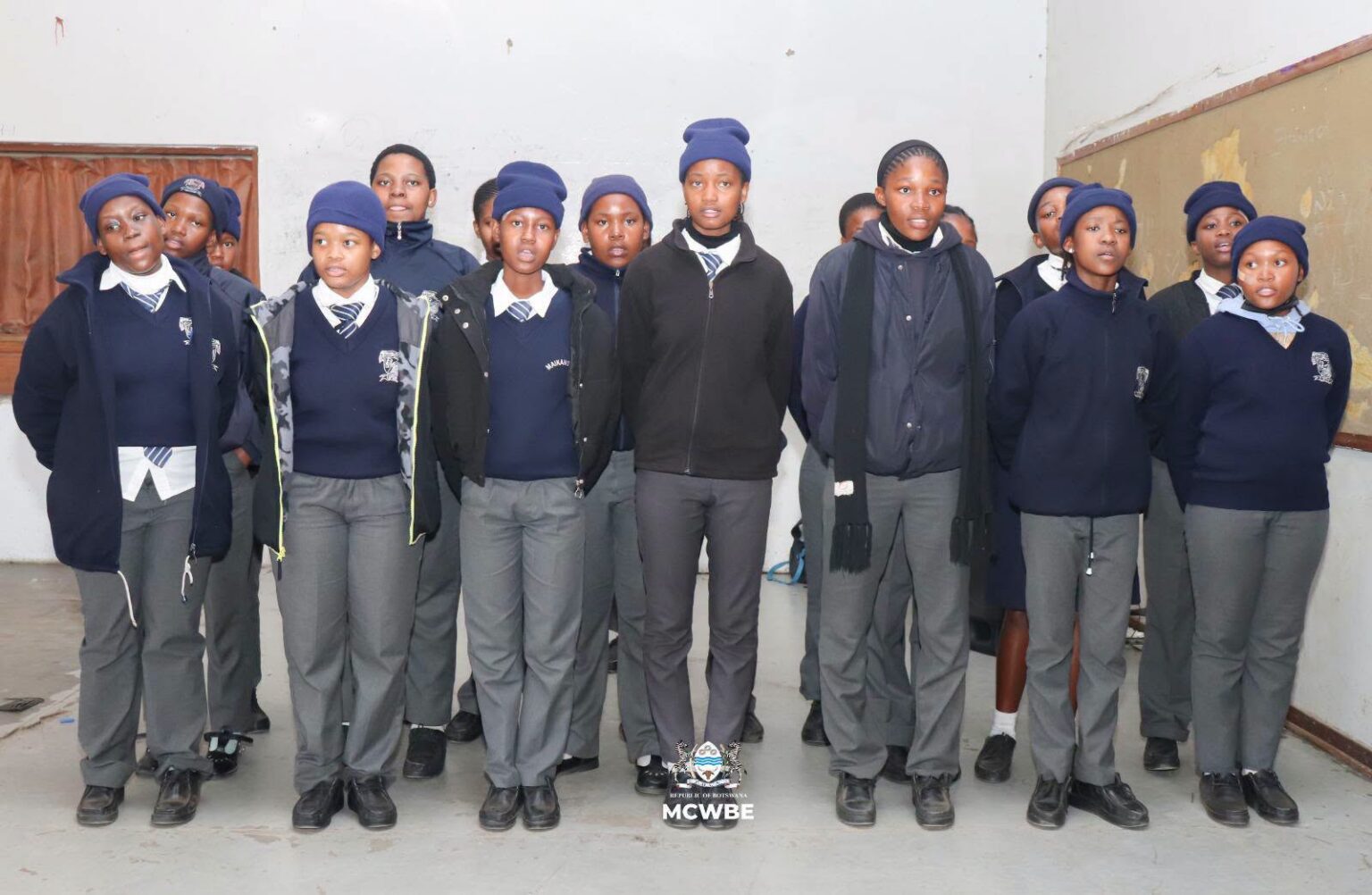
Preparations are gathering momentum at Maikano Junior Secondary School as learners and teachers work diligently ahead of the 2026 Botswana Schools National Music Eisteddfod. The school is one of five institutions selected to represent the South East Region at the prestigious national competition, which is set to take place on 22 August 2026 at the Sir Seretse Khama Barracks Auditorium. The choir will showcase its talent by performing two carefully prepared pieces in both the African and Western music genres. The upcoming event provides young performers with an opportunity to demonstrate their musical abilities while celebrating Botswana’s rich cultural heritage alongside international choral traditions. As rehearsals continue, confidence is growing that the school will proudly represent the region on the national stage.
The Botswana Schools National Music Eisteddfod plays an important role in promoting music education and artistic excellence among learners across the country. The competition gives students an opportunity to develop valuable skills such as teamwork, discipline, confidence and creative expression while competing alongside talented choirs from other regions. Through music, learners gain experiences that contribute to their personal development both inside and outside the classroom. Participation in national competitions also exposes students to higher performance standards and encourages them to strive for continuous improvement. Events such as the Eisteddfod highlight the important contribution that arts education makes to a well-rounded learning experience.
As part of the preparations, schools are receiving guidance and assessments from experienced music education professionals. Mr Puso Phetwe, a lecturer at Molepolole College of Education and a member of the Music in Schools Task Team, will be touring selected schools with his team to evaluate their readiness ahead of the competition. Following his assessment of Maikano Junior Secondary School, Mr Phetwe expressed satisfaction with the progress made by the choir. He praised the learners for demonstrating remarkable potential and enthusiasm throughout their rehearsals. According to him, continued guidance, practice and encouragement will help the young singers develop their abilities even further and achieve greater success in the future.
Mr Phetwe’s positive assessment reflects the dedication shown by both learners and educators throughout the preparation process. Building a successful choir requires consistent practice, commitment and effective leadership from teachers and conductors. Learners must master vocal techniques, harmonies, stage presence and teamwork while maintaining academic responsibilities. The encouraging feedback received from the assessment team serves as motivation for the choir to continue refining its performances before the national competition. It also reinforces the value of investing in quality music education within Botswana’s schools.
Music Coordinator Mr Phepa Mothudi explained that preparations for the national competition are progressing well and that the school remains focused on delivering strong performances. He revealed that Maikano Junior Secondary School had already been considering reviving its choral music programme before the Ministry of Child Welfare and Basic Education officially announced the reintroduction of Music in Schools. This demonstrates that the school recognized the educational and personal benefits of music long before the national initiative was introduced. The ministry’s decision has provided additional momentum and support for schools seeking to strengthen their music programmes. As a result, learners now have greater opportunities to participate in structured musical activities that nurture their talents.
The reintroduction of Music in Schools represents an important milestone for Botswana’s education system. Music education helps learners develop creativity, discipline, communication skills and emotional intelligence while fostering appreciation for cultural diversity. Choral music, in particular, teaches students the importance of cooperation, responsibility and mutual respect, as every voice contributes to the overall performance. These experiences often have a lasting impact on learners by building confidence and encouraging lifelong participation in the arts. Schools that embrace music programmes also strengthen community engagement through performances that bring families and local residents together.
Choir conductor Mr Obakeng Nkani welcomed the renewed commitment to choral music at Maikano Junior Secondary School, saying the support received from the school’s management has created a positive environment for learners to grow musically. He noted that institutional support plays a crucial role in ensuring that music programmes have access to the resources, rehearsal time and encouragement needed for success. According to Mr Nkani, learners are responding enthusiastically to the opportunity to develop their talents and represent their school at national level. He believes that continued investment in music education will help uncover even more young talent in the years ahead. His optimism reflects the growing excitement surrounding the revival of school music programmes across Botswana.
Mr Nkani also appealed to members of the community to continue supporting young people who have a passion for music. Families, community leaders and local organisations all have an important role to play in encouraging learners to pursue their artistic interests. Community support can boost learners’ confidence, motivate them to perform at their best and strengthen appreciation for music as an important part of education. When communities actively celebrate the achievements of young musicians, they help create an environment where talent can flourish. Such encouragement can inspire future generations to participate in music and contribute to Botswana’s vibrant cultural landscape.
As the countdown to the 2026 Botswana Schools National Music Eisteddfod continues, Maikano Junior Secondary School remains focused on perfecting its performances and representing the South East Region with pride. The school’s dedication, combined with the guidance of experienced educators and the support of its leadership, has positioned the choir well for the national competition. The revival of Music in Schools has created new opportunities for learners to discover and develop their talents while strengthening arts education throughout Botswana. With continued encouragement from teachers, parents and the wider community, these young performers have the opportunity to achieve remarkable success both on and off the stage. Their journey serves as a reminder that investing in music education not only develops skilled performers but also nurtures confident, disciplined and creative young people who will contribute positively to the nation’s future.