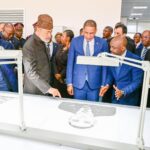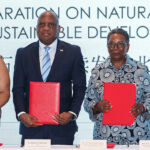

The Maikarabelo National Textile Skills Development Programme has officially been launched at Gaborone Technical College, marking a significant step towards strengthening Botswana’s textile manufacturing industry and empowering local entrepreneurs. The initiative brings together Government, UNFPA Botswana, the private sector and the Presidential Youth Empowerment Campaign in a collaborative effort to develop practical skills and create sustainable business opportunities. The programme seeks to build a stronger citizen-driven manufacturing sector that can produce high-quality Botswana-made products for local, regional and international markets. It represents a broader vision of using skills development, entrepreneurship and innovation to create economic opportunities for citizens. Through this partnership, Botswana aims to move beyond importing finished goods and develop a competitive manufacturing industry built on local talent.
Acting Permanent Secretary in the Ministry of Trade and Entrepreneurship, Gideon Mmolawa, highlighted that the programme demonstrates Botswana’s commitment to strengthening citizen enterprises and expanding opportunities within the manufacturing sector. He explained that developing local production capacity is essential for positioning Botswana-made products to compete successfully in African and global markets. The textile industry provides a valuable opportunity because it combines skills development with commercial potential, creating opportunities for entrepreneurs, particularly women and young people. By equipping citizens with technical knowledge and business skills, the programme aims to support the creation of companies capable of producing quality products at a commercial scale. This approach aligns with national efforts to encourage entrepreneurship and reduce reliance on imported goods.
Richard Molosiwa, Secretary Public Administration, stressed that the success of the programme will depend on the creation of commercially sustainable enterprises that can operate independently and compete effectively. He noted that businesses developed through the initiative should not depend entirely on Government procurement but should build strong relationships with private sector buyers and wider markets. Sustainable businesses require effective management, consistent production capacity and the ability to meet customer expectations. The programme therefore focuses not only on technical textile skills but also on developing entrepreneurs who understand the demands of running competitive businesses. This emphasis on sustainability is important for ensuring that beneficiaries create lasting enterprises that contribute to economic growth.
Founder of the Maikarabelo Movement, Calistus Phologolo, described the initiative as a national movement that encourages Batswana to support local production through collective responsibility. He called on citizens to choose Botswana-made products and recognize the role they can play in strengthening the domestic economy. Supporting local manufacturing creates demand for locally produced goods while encouraging more entrepreneurs to invest in production. The movement promotes the idea that economic development requires cooperation between citizens, businesses and institutions. By building pride in locally manufactured products, the initiative aims to create a culture where Botswana brands are valued and recognized.
The first cohort of the programme consists of 100 beneficiaries from different parts of Botswana, representing an important milestone in skills development and entrepreneurship support. The collaboration behind the programme is described as unprecedented because it brings together multiple stakeholders with a shared goal of strengthening the textile sector. The industry was selected because of its potential to create employment and empower women and youth through practical skills and business opportunities. Textile manufacturing offers opportunities across various areas, including clothing production, design, branding, retail and export. By developing these skills locally, Botswana can create new pathways for citizens to participate in a growing global industry.
The programme also takes advantage of Botswana’s position within regional and continental trade networks. As a member of the Southern African Development Community and the African Continental Free Trade Area, Botswana has access to markets that connect businesses with millions of consumers across Africa. The African Continental Free Trade Area provides opportunities for businesses that are prepared to meet quality standards and compete beyond national borders. Entrepreneurs participating in the Maikarabelo programme are encouraged to develop export-ready businesses capable of accessing these wider markets. This creates an opportunity for Botswana’s textile sector to expand beyond local demand and establish a presence in regional and international markets.
As part of the initiative, the Maikarabelo Legacy Pride Wear collection has been introduced as an example of locally manufactured apparel. The programme also includes a Limited Natural Diamond Legacy Edition, which combines Botswana’s textile ambitions with one of the country’s most recognized resources. These products demonstrate how local manufacturing can incorporate Botswana’s identity, culture and economic strengths into marketable brands. Developing distinctive products helps local businesses compete by offering consumers items with unique stories and national significance. Such initiatives can increase the visibility of Botswana-made products while encouraging greater appreciation for local craftsmanship.
Mmolawa also called on Corporate Botswana to support citizen manufacturers through partnerships and commercial opportunities. He encouraged businesses to work with local producers and help create pathways for small enterprises to grow into competitive companies. He further urged financial institutions to develop innovative financing solutions that can support entrepreneurs entering the manufacturing sector. Access to funding remains an important factor in helping businesses acquire equipment, expand production and reach new markets. Strong partnerships between Government, businesses and financial institutions will be critical to ensuring that the programme delivers long-term economic benefits.
The launch of the Maikarabelo National Textile Skills Development Programme reflects Botswana’s ambition to build an economy driven by innovation, production and citizen participation. The initiative provides an opportunity for local entrepreneurs to gain skills, create businesses and contribute to the growth of the manufacturing sector. By focusing on textiles, the programme addresses employment creation while developing an industry with potential for regional and global expansion. The success of this initiative will depend on continued collaboration, investment and commitment from all stakeholders involved. As Gideon Mmolawa stated, Botswana’s future will be shaped by the ability of its people to design, manufacture, brand and export products created through their own skills and ingenuity.