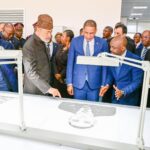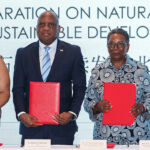
Botswana is taking important steps to strengthen collaboration between higher education institutions and the mining industry through a new partnership that aims to develop skilled professionals for the country’s growing economy. The Minister of Higher Education, Hon. Prince Maele, recently visited MMG Khoemacau Mine near Maun as part of preparations for the signing of a Memorandum of Understanding (MoU) between the Ministry of Higher Education and the mining company. The visit highlighted the government’s commitment to creating stronger links between academic learning and industry experience. By working closely with one of Botswana’s leading mining operations, the Ministry hopes to improve practical training opportunities for students and graduates. The planned partnership reflects a shared vision of preparing a workforce equipped with the skills required to support the country’s expanding mining sector.
Minister Prince Maele was accompanied by Hon. Caterpillar Hikuama and other members of his delegation during the visit to MMG Khoemacau Mine. The tour provided government officials with an opportunity to gain firsthand insight into the mine’s operations, production processes and workforce development initiatives. Visiting the site allowed the delegation to better understand the technical demands and operational standards that define modern mining activities in Botswana. Such engagements are valuable because they enable policymakers to align education and training programmes with the practical needs of industry. The visit also reinforced the importance of maintaining open communication between government and the private sector when developing national skills strategies.
The upcoming Memorandum of Understanding between the Ministry of Higher Education and MMG Khoemacau Mine is expected to establish a framework for long-term collaboration. The agreement will focus on creating opportunities that benefit both students and the mining industry by promoting practical learning experiences and workforce development. Partnerships of this nature help bridge the gap between classroom education and real-world employment by exposing students to modern technologies, workplace environments and professional standards. They also enable educational institutions to adapt their programmes to reflect current industry requirements. As Botswana continues to develop its mining sector, closer cooperation between universities, technical colleges and employers will become increasingly important.
During the visit, MMG Khoemacau management expressed its readiness to work closely with the Ministry of Higher Education to strengthen skills development initiatives. Company representatives highlighted their willingness to support in-service training programmes that provide students with valuable workplace experience before entering full-time employment. Practical training enables learners to apply theoretical knowledge while developing technical abilities, problem-solving skills and professional confidence. These experiences can improve graduate employability by ensuring that students gain relevant exposure to industry practices before completing their studies. Such collaborations also help employers identify and develop future talent capable of contributing to the mining sector from the beginning of their careers.
Botswana’s mining industry remains one of the country’s most important economic drivers, creating employment opportunities while contributing significantly to national development. As mining operations become more technologically advanced, employers require professionals with specialised technical knowledge and practical experience. This growing demand places increased importance on education systems that produce graduates equipped with industry-relevant skills. Partnerships between educational institutions and mining companies can help ensure that training programmes keep pace with evolving technologies, environmental standards and operational requirements. By aligning education with labour market needs, Botswana can strengthen its competitiveness while supporting sustainable economic growth.
The proposed collaboration is also expected to benefit higher education institutions by providing valuable feedback from industry regarding emerging skills requirements. This information can help universities and technical colleges review curricula, introduce new programmes and strengthen existing courses in engineering, geology, environmental management, information technology and other mining-related disciplines. Industry participation in education also creates opportunities for guest lectures, research partnerships and collaborative innovation projects. Students benefit from greater exposure to experienced professionals who can share practical knowledge and career guidance. These connections contribute to a stronger education system that responds effectively to changing economic demands.
In-service training has become an essential component of modern education because employers increasingly value practical experience alongside academic qualifications. Students who participate in structured workplace learning develop technical competence, teamwork, communication and problem-solving skills that are difficult to acquire in classroom settings alone. Exposure to real working environments also helps learners understand professional expectations, workplace safety and organisational culture. As a result, graduates enter the job market with greater confidence and improved readiness for employment. The planned partnership between the Ministry and MMG Khoemacau Mine has the potential to expand these opportunities for many future students.
The visit by Minister of Higher Education Hon. Prince Maele and his delegation to MMG Khoemacau Mine marks an important step towards strengthening collaboration between Botswana’s education sector and one of its key industries. The planned Memorandum of Understanding reflects a shared commitment to developing a highly skilled workforce capable of supporting the continued growth of the mining sector. By promoting in-service training, practical learning and closer cooperation between government and industry, the partnership is expected to create lasting benefits for students, employers and the national economy. Continued investment in skills development will help Botswana prepare for future opportunities while ensuring that graduates possess the knowledge and experience required in an increasingly competitive labour market. Through initiatives such as this, the country continues to build a stronger foundation for sustainable economic development driven by education, innovation and strategic partnerships.