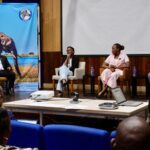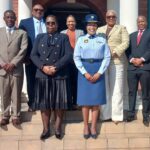

The Ministry of Child Welfare and Basic Education is advancing efforts to strengthen its workforce and improve educational outcomes across Botswana. Permanent Secretary Mmamiki Kamanakao engaged staff at the South Regional Operations office in Kanye to discuss key issues affecting the Ministry’s operations. The discussions covered staff welfare, promotions, transfers, school infrastructure, and the broader economic context impacting education. The meeting also focused on aligning the Ministry’s activities with the new government’s mandate under the leadership of Hon. Nono Kgafela-Mokoka. This engagement demonstrated the Ministry’s commitment to involving staff directly in planning and decision-making processes.
Ms. Kamanakao emphasized the importance of teamwork and collaboration, sharing her vision for the Ministry’s future. She highlighted that achieving the Ministry’s objectives requires the active participation and support of all staff members. By fostering a sense of shared responsibility, she aims to create a cohesive team capable of addressing challenges and implementing initiatives effectively. The Permanent Secretary underscored that every employee has a role to play in improving the education sector at all levels, from basic education to child welfare programs. Her approach emphasizes accountability, innovation, and dedication as critical components of the Ministry’s strategy.
The meeting also addressed practical concerns such as school infrastructure and staff placements, which directly impact service delivery. Discussions included strategies for timely promotions, fair transfers, and equitable allocation of resources to schools in different regions. Ms. Kamanakao acknowledged the challenges posed by the current economic climate and stressed the need for efficiency and resourcefulness in carrying out the Ministry’s mandate. By addressing these issues collaboratively, staff can contribute to creating a more effective and responsive education system. The Permanent Secretary encouraged open communication and proactive problem-solving as part of a culture of continuous improvement.
Aligning the Ministry’s operations with the new government’s priorities remains a central focus. Staff were briefed on policy directions aimed at enhancing educational quality, promoting child welfare, and expanding access to resources. Ms. Kamanakao stressed that these objectives require staff to embrace innovation, adopt best practices, and work closely with communities to support children’s development. She also highlighted the role of leadership at all levels in guiding initiatives and maintaining high standards of service delivery. The engagement underscored the Ministry’s commitment to transparency, inclusivity, and building a motivated workforce capable of driving national education goals.
The Permanent Secretary’s visit reflects a broader effort to strengthen institutional capacity and foster a shared sense of purpose within the Ministry of Child Welfare and Basic Education. By engaging staff directly, Ms. Kamanakao is promoting collaboration, accountability, and a commitment to excellence. The discussions on welfare, infrastructure, and policy alignment signal a proactive approach to improving the education sector in Botswana. With staff fully engaged and aligned with the Ministry’s vision, the country is better positioned to enhance learning outcomes, protect child welfare, and implement reforms that will benefit future generations. This leadership approach sets the foundation for sustained growth and progress in the education sector.