The Ministry of Higher Education has taken part in a key national engagement focused on integrity, accountability, and good governance, hosted yesterday at the Botswana University of Agriculture and Natural Resources (BUAN). The session brought together higher education stakeholders with a shared goal of strengthening ethical leadership within academic institutions and the wider public sector. The engagement formed part of ongoing efforts to promote transparency and reduce corruption risks in environments where future leaders are trained. It also highlighted the growing importance of universities in shaping values that influence national development. The discussions emphasized that integrity in education systems directly impacts the quality of leadership in society.
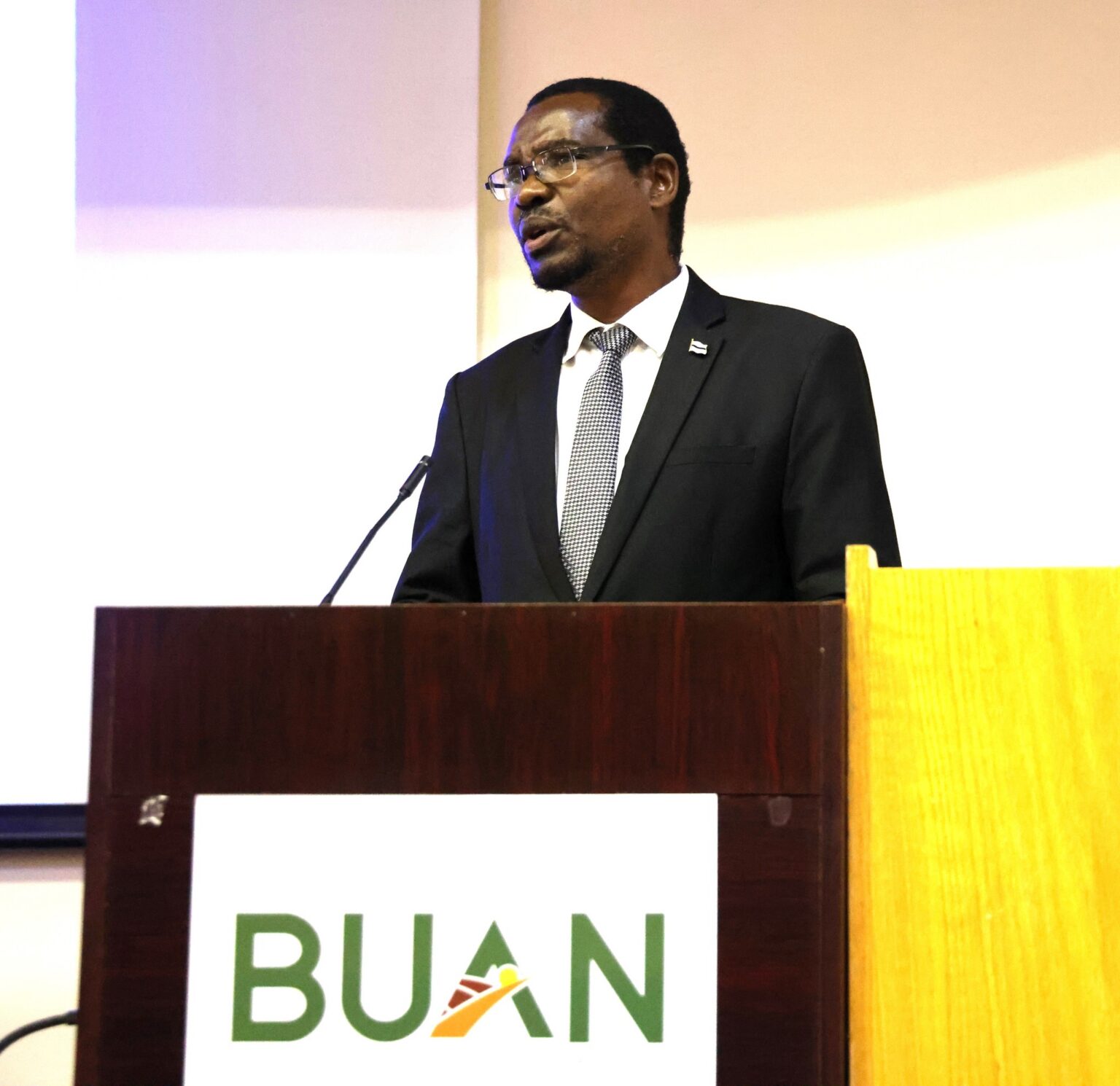
Delivering the welcome remarks, Tiro Mosepele of BUAN stressed the importance of building a strong culture of ethics, transparency, and responsibility within institutions of higher learning. He explained that universities are not only centres of academic excellence but also spaces where character and leadership values are developed. He noted that students and staff must be consistently exposed to principles of accountability to ensure they are prepared for professional environments. He also emphasized that ethical conduct within universities helps set standards for behaviour in both public and private sectors. His remarks reinforced the idea that education must go beyond academic achievement to include moral and civic development.
The engagement also featured a detailed presentation by Deputy Project Manager Anti-Corruption Peter Mafokate, who provided insights into corruption prevention and ethical conduct in institutional settings. He explained how corruption can undermine service delivery, weaken trust, and damage the credibility of organisations. He encouraged participants to remain alert to unethical practices and to take active steps in promoting accountability within their workplaces. He also highlighted the importance of reporting misconduct and supporting systems that protect whistleblowers. His presentation focused on practical approaches that institutions can adopt to reduce corruption risks and strengthen governance structures.
Participants at the session were encouraged to take personal responsibility in promoting integrity within their respective institutions. Discussions emphasized that accountability is not only a leadership responsibility but also a shared duty across all levels of an organisation. Attendees reflected on the need for clear policies, consistent enforcement, and continuous awareness campaigns to reinforce ethical behaviour. The engagement also explored how corruption can be prevented through strong institutional frameworks and a culture that discourages misconduct. The dialogue highlighted the importance of collaboration between government bodies, academic institutions, and oversight agencies in building transparent systems.
The Ministry of Higher Education reiterated its commitment to strengthening ethical leadership across the higher education sector through sustained engagement and capacity building. Officials emphasized that promoting transparency is essential for ensuring that educational institutions remain credible and trusted spaces for learning and innovation. The Ministry also underscored the importance of aligning governance practices with national development goals and public service values. It was noted that institutions of higher learning play a critical role in shaping future professionals who will influence Botswana’s governance and economic systems. The engagement reflected a broader national effort to promote integrity as a foundation for sustainable development.
The BUAN session served as a reminder that the fight against corruption requires continuous education, awareness, and commitment from all stakeholders. It highlighted the need for institutions to actively cultivate environments where ethical behaviour is expected and rewarded. The discussions reinforced the idea that good governance begins with individual responsibility and is strengthened through institutional support systems. As Botswana continues to focus on transparency and accountability, engagements like this contribute to building a stronger ethical culture within the education sector.