The North West Regional Education Office has praised mining company MMG Khoemacau for its continued commitment to supporting education in the Maun Sub-region. The recognition came during the company’s 6th Annual All Schools Prize Giving ceremony, which celebrated academic excellence among learners and educators from several adopted primary schools. The initiative brought together learners, teachers, parents, government representatives and community members to acknowledge hard work and encourage better educational outcomes. Schools from Toteng, Sehithwa, Legotlhwana, Komana, Bodibeng, Botlhatlogo and Somelo participated in the event, highlighting the wide reach of the programme. The ceremony also reflected the growing importance of partnerships between the private sector and the education system in improving learning conditions for children in Botswana.
Education remains one of the key foundations for national development, and events such as the Annual All Schools Prize Giving ceremony demonstrate how collaborative efforts can make a meaningful difference in communities. In many rural and semi-rural areas, schools continue to face challenges such as limited learning resources, inadequate infrastructure and poor access to technology. Corporate support has therefore become an important tool in helping bridge some of these gaps. MMG Khoemacau’s involvement in supporting schools in the Maun Sub-region has shown how businesses can contribute beyond their economic activities and directly impact social development. By investing in education, the company is helping create opportunities for young learners to succeed academically and improve their future prospects.
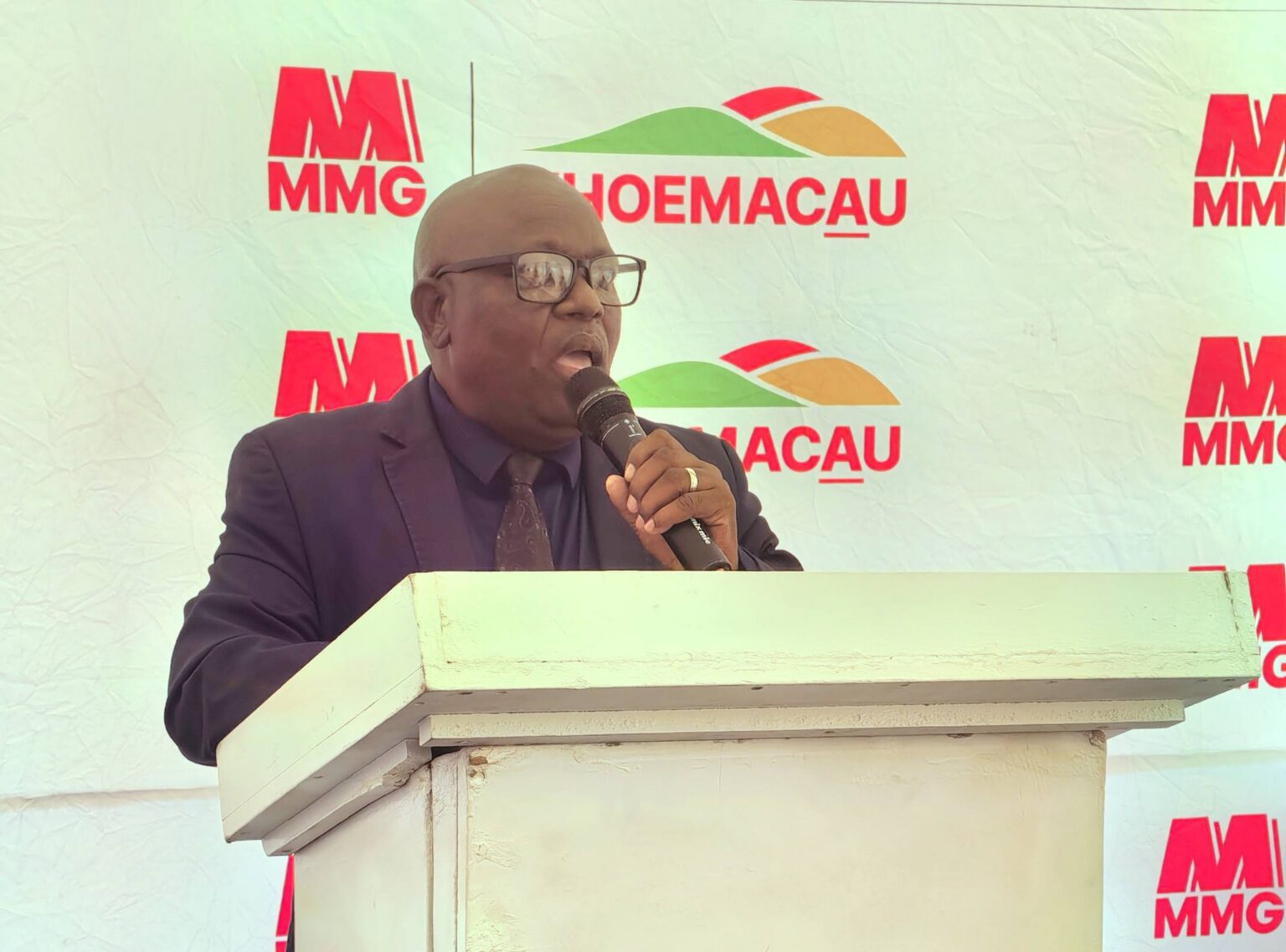
Speaking during the ceremony, North West Regional Education Office representative Mr Kgomotso Mafoko emphasised the importance of quality education in shaping the country’s future. He explained that the Ministry of Child Welfare and Basic Education is focused on delivering relevant and foundational education that equips learners with the skills they need to thrive. Mafoko also highlighted the importance of industrial stakeholders such as MMG Khoemacau in supporting the ministry’s efforts. He noted that partnerships between government institutions and private companies can strengthen educational programmes and provide additional support where resources may be limited. His remarks underscored the growing recognition that education is a shared responsibility involving schools, parents, communities and businesses.
Mr Mafoko further encouraged parents to continue playing an active role in their children’s education. He stressed that parental involvement remains critical in helping learners stay motivated and focused on their studies. According to him, strong support systems at home and in schools contribute significantly to academic success and the development of confident, empowered and dignified learners. His comments reflected a broader understanding that learner performance is influenced not only by classroom teaching but also by community engagement and encouragement. The event therefore served as both a celebration of achievement and a reminder of the collective effort required to improve educational standards across the region.
MMG Khoemacau Director of Operations Mr Xia Weiqua also addressed attendees during the ceremony and reaffirmed the company’s dedication to educational development. He stated that the initiative reflects MMG Khoemacau’s belief that education is a powerful tool for transformation. His remarks highlighted the company’s long-term vision of supporting communities through meaningful and sustainable social investment programmes. By rewarding academic excellence and providing educational resources, the mining company aims to motivate learners and teachers to continue striving for better performance. The company’s involvement also demonstrates how corporate social responsibility initiatives can directly contribute to community empowerment and human capital development.
One of the highlights of the ceremony was the recognition of outstanding learners who excelled academically during the school year. Learners received practical school supplies such as bags and stationery, which are essential tools for their educational journey. These rewards not only acknowledged their hard work but also encouraged other learners to pursue academic excellence. Recognising high-performing learners can have a positive impact on school culture by promoting discipline, dedication and healthy competition among students. Such incentives also help build learners’ confidence and inspire them to set higher academic goals for themselves.
Teachers were also honoured during the ceremony for their contribution to improving educational outcomes in the Maun Sub-region. Top educators received tablets as part of the recognition programme, reflecting the important role teachers play in shaping future generations. In many communities, teachers often work under demanding conditions while still striving to provide quality education to learners. Rewarding educators for their commitment and performance helps boost morale and encourages continued excellence in teaching. It also highlights the importance of investing in teachers as key drivers of educational success.
The ceremony went beyond recognising individual achievement by also rewarding schools that demonstrated strong academic progress and performance. The most improved and best-performing schools in the Maun Sub-region received electronic gadgets including printers, computers and internet connectivity. These resources are expected to improve the learning environment and help schools adapt to modern educational demands. Access to technology has become increasingly important in today’s education system, especially as digital learning tools continue to shape teaching and learning methods. By providing these resources, MMG Khoemacau is helping schools enhance access to information and improve the overall quality of education.
The support provided to schools in villages such as Toteng, Sehithwa, Legotlhwana, Komana, Bodibeng, Botlhatlogo and Somelo demonstrates the impact targeted community investment can have on rural education. Many schools in remote areas often face barriers related to infrastructure and limited technological access. Programmes like this help reduce disparities between urban and rural schools by providing learners and teachers with better educational tools. Improved access to technology can also create opportunities for learners to develop digital literacy skills that are increasingly necessary in the modern world. The initiative therefore represents a meaningful contribution to educational equity and long-term community development.
The 6th Annual All Schools Prize Giving ceremony also highlighted the importance of celebrating success within the education sector. Public recognition of achievement can motivate learners, teachers and schools to continue working hard and pursuing excellence. Such events also strengthen relationships between schools, communities and corporate partners by creating a shared sense of purpose and achievement. For many learners, being recognised for their academic efforts can serve as a turning point that inspires greater ambition and determination. The ceremony therefore carried both symbolic and practical value for the participating schools and communities.
MMG Khoemacau’s continued support for education in the Maun Sub-region reflects a growing understanding among companies that sustainable development includes investment in people. Education has the power to transform communities by creating opportunities, reducing poverty and equipping young people with the skills needed for the future. Through initiatives such as the Annual All Schools Prize Giving ceremony, the mining company is helping create a stronger educational foundation for learners in the region. The praise from the North West Regional Education Office further confirms the importance of partnerships between the private sector and public institutions in advancing education. As schools continue to benefit from improved resources, recognition programmes and community support, learners in the Maun Sub-region are likely to gain greater opportunities to succeed both academically and socially.