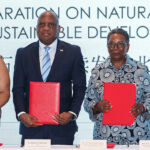

The appointment of a new Minimum Wage Advisory Board marks an important step in Botswana’s efforts to strengthen labour policies and improve the welfare of workers across the country. The board has been tasked with providing informed recommendations that will guide future decisions on the country’s minimum wage. During a meet and greet session with the newly appointed members, Minister of Labour and Home Affairs, Hon. Major General (Rtd) Pius Mokgware, emphasized the significance of the board’s responsibilities. He reminded members that the recommendations they make will directly affect the daily lives of thousands of workers and their families. The establishment of the board highlights the government’s commitment to balancing employee welfare with the country’s broader economic development goals.
Speaking to the newly constituted board, Minister Mokgware stressed that members have an important duty to gather relevant information before making recommendations on an appropriate minimum wage. He encouraged the board to approach its work with diligence, objectivity and a clear understanding of the realities facing workers and employers alike. According to the Minister, the decisions made by the board have far-reaching consequences because they influence household incomes, business operations and the overall economy. His statement, “You are going to determine people’s lives,” reflected the weight of the responsibility placed on the advisory body. The message also reinforced the expectation that the board’s work should be evidence-based and focused on achieving fair and sustainable outcomes.
The Minimum Wage Advisory Board plays a crucial role in Botswana’s labour framework by conducting thorough assessments before advising the Minister on wage adjustments. Rather than making decisions based on a single factor, the board is expected to examine a wide range of economic and social indicators. This comprehensive approach helps ensure that wage recommendations are both practical and equitable. The board’s findings will contribute to policies that protect workers while also considering the needs of businesses operating in different sectors of the economy. Such balanced decision-making is essential for maintaining economic stability while promoting social progress.
Among the key issues the board will examine are the needs of employees and their families. This includes evaluating whether current wages provide workers with enough income to meet basic living expenses such as food, housing, healthcare, education and transportation. As the cost of essential goods and services changes over time, ensuring that wages remain relevant becomes increasingly important. The board will likely consider how inflation affects household purchasing power and whether existing minimum wages allow workers to maintain a reasonable standard of living. These assessments are intended to ensure that minimum wage policies continue to support the wellbeing of Botswana’s workforce.
Another major consideration will be the cost of living in Botswana, which remains one of the most significant factors in determining fair wages. Rising prices can reduce the value of workers’ earnings, making it difficult for families to meet their daily needs even when they are employed full time. By carefully reviewing current economic conditions and consumer expenses, the board can better understand how wage adjustments may improve financial security for workers. Cost of living data also provides valuable insight into regional and national economic trends. Incorporating this information into wage recommendations helps ensure that policy decisions remain relevant to the realities faced by ordinary citizens.
The advisory board will also evaluate wage levels across different sectors of Botswana’s economy. Various industries have different salary structures, productivity levels and financial capacities, making it important to understand these differences before proposing a national minimum wage. Comparing wages across sectors allows the board to identify disparities and determine whether existing minimum wage levels remain appropriate. Such comparisons also help policymakers understand how different industries may be affected by potential wage increases. This balanced assessment contributes to recommendations that are fair for employees while remaining achievable for employers.
Economic factors such as productivity will form another important part of the board’s analysis. Productivity measures how efficiently businesses and workers generate goods and services, and it often influences an economy’s ability to support higher wages. When productivity improves, businesses may be better positioned to absorb increased labour costs without negatively affecting employment or competitiveness. At the same time, productivity growth can allow workers to benefit from the value they help create. By considering these economic indicators alongside social factors, the board can develop recommendations that promote both economic growth and improved living standards.
The appointment of the new Minimum Wage Advisory Board demonstrates Botswana’s ongoing commitment to creating fair labour policies that respond to changing economic conditions. With guidance from Minister Hon. Major General (Rtd) Pius Mokgware, the board has been entrusted with the important responsibility of gathering reliable information and providing sound advice on the country’s minimum wage. Its work will involve balancing the needs of workers, employers and the wider economy while ensuring that wage decisions remain fair and sustainable. The recommendations it produces have the potential to improve the lives of many Batswana by supporting decent incomes and stronger economic participation. As the board begins its work, its careful analysis and informed advice will play a vital role in shaping Botswana’s future labour landscape and advancing the wellbeing of workers and their families.