
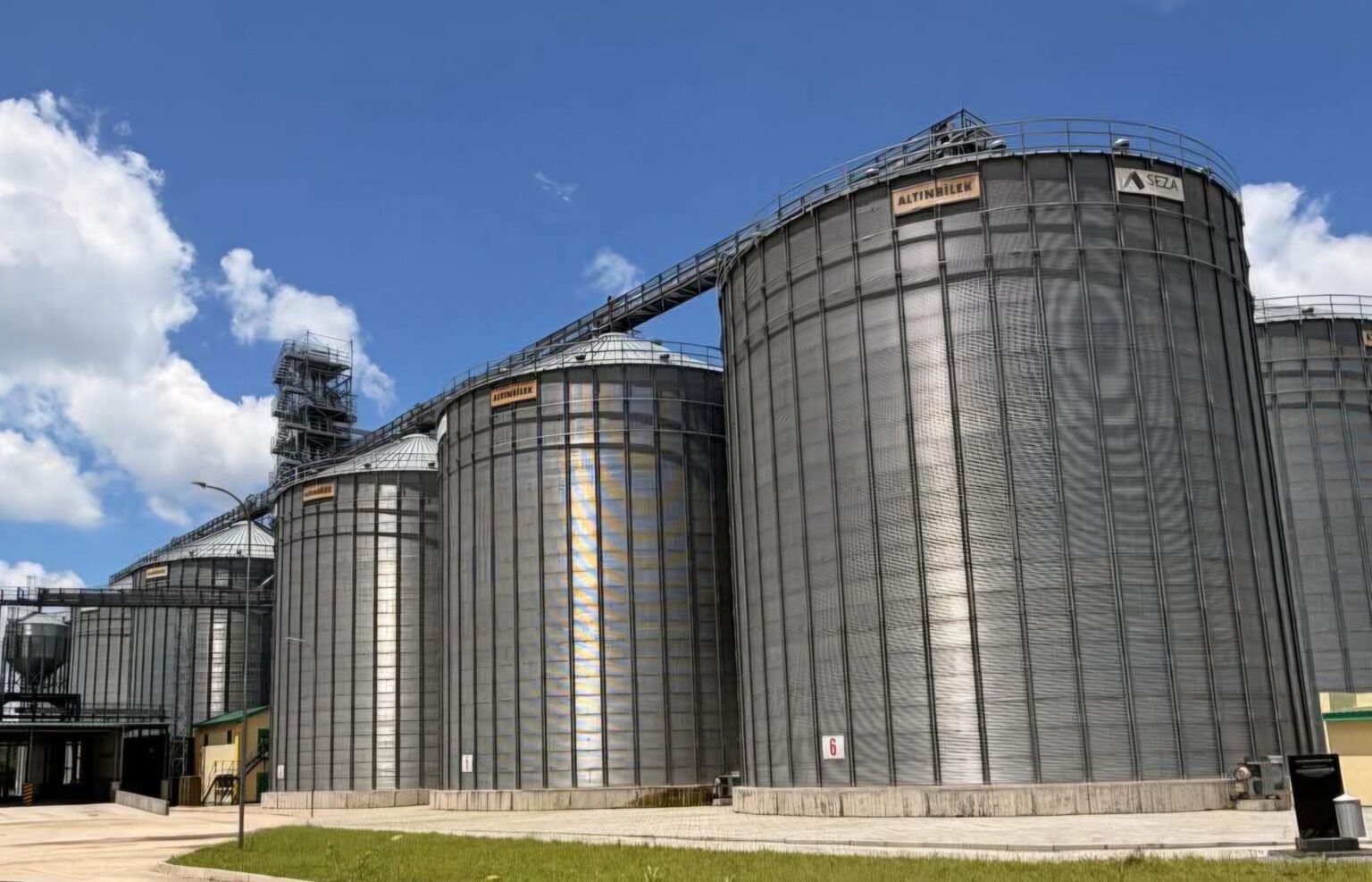
The Pandamatenga Grain Silos project has emerged as a major agricultural infrastructure milestone in Botswana, reflecting a strategic partnership between the Special Economic Zones Authority (SEZA_Botswana) and the Botswana Agricultural Marketing Board (BAMB). The facility is already proving to be a high-impact investment with direct benefits for farmers, agribusiness development and national food security. It is positioned within the Pandamatenga Special Economic Zone, where it supports the country’s long-term plan to strengthen agro-processing and value addition. The project is designed to reduce post-harvest losses, improve storage capacity and create a more structured grain marketing system. It also reflects a coordinated effort between public institutions to modernise agriculture and strengthen rural economic activity.
The Botswana Agricultural Marketing Board played a central technical role in shaping the success of the silos by providing specifications and operational expertise. Their input ensured that the facility meets practical storage needs and functions efficiently under commercial conditions. SEZA_Botswana, on the other hand, focused on aligning the project with the broader vision of the Special Economic Zone. Their involvement is linked to promoting value addition, agro-processing and investment-led growth in the agricultural sector. This partnership demonstrates how institutional collaboration can produce infrastructure that supports both immediate agricultural needs and long-term economic transformation.
One of the most significant outcomes of the project is the expansion of grain storage capacity in Pandamatenga. The new silos have added 60,000 metric tonnes of storage, increasing the total capacity to 90,000 metric tonnes. This expansion has created a reliable system for handling large volumes of grain while maintaining quality standards. Farmers now have access to safe storage facilities that protect their harvest from spoilage, weather damage and market timing pressures. The increased capacity also helps stabilise supply chains by ensuring that grain can be stored and released in a more controlled and predictable manner.
For commercial farmers in Pandamatenga, the impact of the silos is already visible in daily operations. Farmers can now focus more on production without the constant pressure of limited storage or post-harvest losses. The availability of structured storage reduces risks associated with overproduction and market fluctuations. It also improves planning, since farmers can store grain and sell when market conditions are more favourable. This level of support strengthens farm productivity and encourages greater investment in agricultural expansion within the region.
Beyond storage, the Pandamatenga Grain Silos project is helping to build a more advanced agricultural value chain in Botswana. The facility is not only a storage hub but also a foundation for improved processing, distribution and marketing systems. It plays a key role in linking farmers to structured markets and enabling more efficient movement of grain across the supply chain. The silos also support the development of downstream agro-processing activities that can add value to raw agricultural products. This creates opportunities for job creation, private sector participation and rural industrialisation.
The project also plays a critical role in advancing the Botswana Mercantile Exchange (BMX) by supporting structured grain trading systems. With consistent quality, reliable storage and predictable supply, the silos help improve market transparency and pricing mechanisms. Farmers gain better access to formal markets where prices are determined more openly and fairly. This reduces reliance on informal trading channels and strengthens overall market efficiency. The integration of storage infrastructure with commodity trading systems represents a significant step forward for Botswana’s agricultural economy.
As Botswana continues to prioritise food security and economic diversification, the Pandamatenga Grain Silos project stands out as a practical example of strategic infrastructure investment. It demonstrates how targeted partnerships between institutions like SEZA_Botswana and BAMB can deliver measurable benefits to farmers and the wider economy. The project strengthens agricultural resilience while supporting long-term goals in agro-processing and trade development. It also positions Pandamatenga as a key hub in the country’s agricultural transformation agenda. The expansion of storage capacity and integration with market systems reinforces Botswana’s commitment to building a competitive and sustainable agribusiness sector.