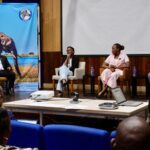
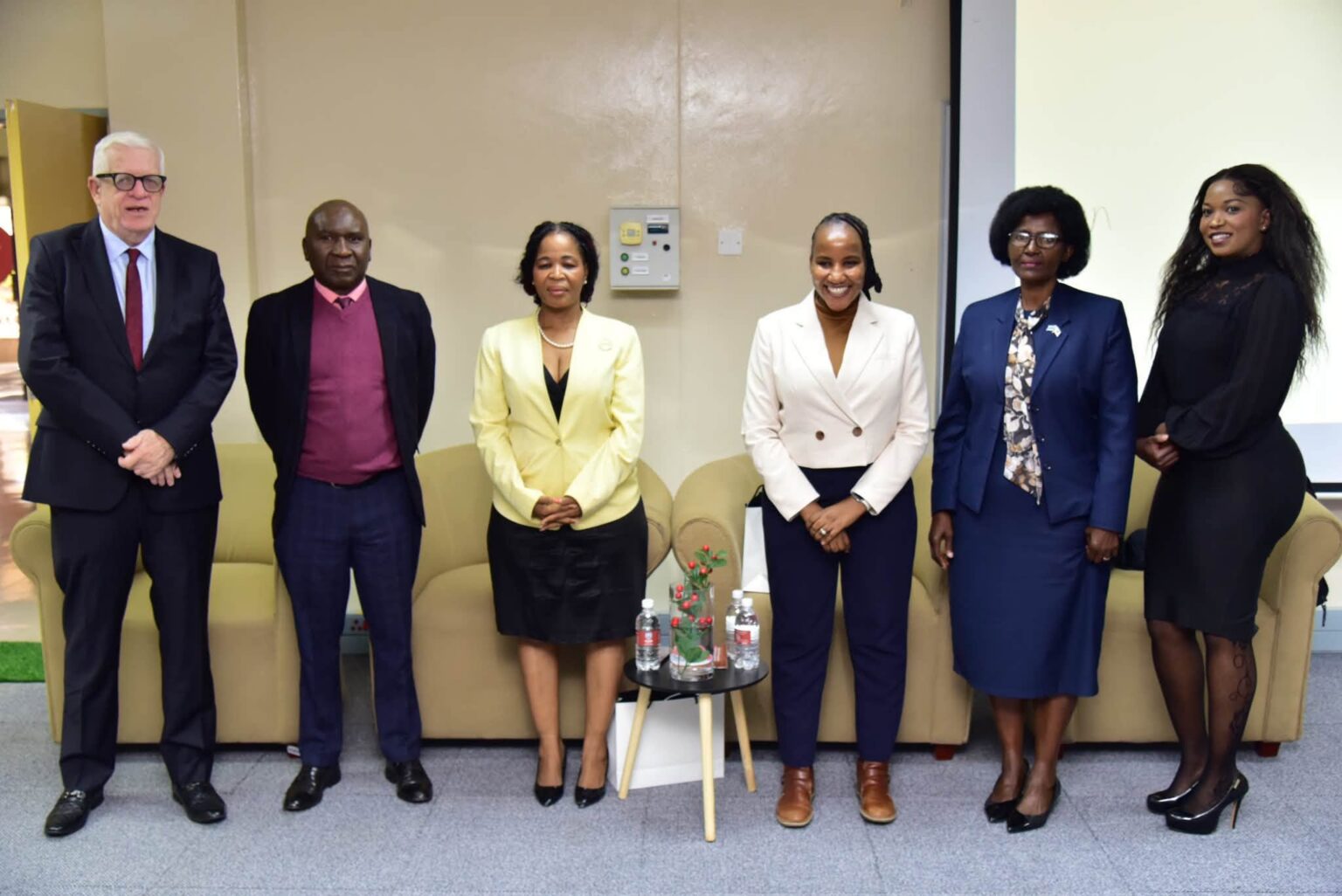
The Ministry of Environment and Tourism has reaffirmed its commitment to strengthening project management capacity within the public sector through the launch of a specialized training programme at the University of Botswana. The Deputy Permanent Secretary for Environment in the Ministry of Environment and Tourism, Professor Patricia Mogomotsi, officially opened the Project Management Essentials and Microsoft Project training workshop, marking an important step toward improving the successful implementation of development initiatives. The workshop reflects the ministry’s ongoing investment in building professional skills that contribute to efficient planning, effective resource management and improved service delivery. By focusing on internationally recognized project management practices, the programme aims to prepare participants to manage increasingly complex projects with confidence and professionalism. The initiative also demonstrates the importance of continuous learning and skills development in achieving national development goals.
During the official opening ceremony, Professor Patricia Mogomotsi highlighted the critical role that sound project management plays in the successful delivery of government programmes and environmental initiatives. She emphasized that projects often involve significant financial, human and technical resources, making effective management essential for achieving intended outcomes. Professor Mogomotsi encouraged participants to actively engage throughout the training, asking questions, sharing experiences and applying the knowledge gained to their respective workplaces. She noted that strengthening project management competencies contributes to better accountability, improved decision making and greater efficiency across government institutions. Her remarks reinforced the ministry’s commitment to promoting excellence through capacity building and professional development.
The workshop was facilitated by Professor Joseph K. Ssegawa from the Department of Professional Education and Development at the University of Botswana. Drawing on his extensive academic and professional expertise, Professor Ssegawa guided participants through the core principles of modern project management while introducing practical techniques that can be applied in a variety of organizational settings. The training combines theoretical knowledge with hands on learning to ensure participants understand both the strategic and operational aspects of managing projects. Sessions also focus on internationally recognized project management standards that are widely used across public and private sector organizations around the world. This balanced approach helps participants develop practical skills that can immediately improve the planning and execution of their own projects.
A key component of the workshop is the use of Microsoft Project, one of the most widely used project management software applications. Participants are receiving practical instruction on how to use the software to develop project schedules, allocate resources, monitor progress and track project performance throughout every stage of implementation. Learning to use digital project management tools enables organizations to improve efficiency while reducing delays and minimizing the risks associated with poor planning. The software also provides valuable reporting capabilities that help managers make informed decisions based on real time project information. By integrating technology into project management practices, participants can better coordinate activities and ensure that projects remain on schedule and within budget.
The training programme has been carefully designed to equip participants with the knowledge, tools and techniques required to manage projects from beginning to end. Participants are learning how to effectively initiate projects by defining objectives, identifying stakeholders and assessing project requirements before implementation begins. They are also being trained in project planning, including developing realistic timelines, managing resources, identifying potential risks and preparing comprehensive project plans. The workshop further covers project execution, monitoring and evaluation, ensuring participants understand how to track progress, measure performance and address challenges as they arise. Finally, the programme emphasizes the importance of properly closing projects through evaluation, documentation and lessons learned to improve future project performance.
Beyond technical knowledge, the workshop also focuses on strengthening leadership and decision making skills that are essential for successful project management. Participants are encouraged to improve communication with project teams, stakeholders and partners while promoting collaboration throughout the project lifecycle. Effective coordination among different departments and organizations is critical for delivering projects that meet objectives within established timeframes and budgets. The training also highlights the importance of managing risks proactively and adapting to changing project environments without compromising quality or intended outcomes. These broader management skills help create more confident project leaders capable of delivering sustainable results.
The initiative supports the Ministry of Environment and Tourism’s broader objective of improving institutional performance through continuous professional development. As government departments increasingly manage complex environmental programmes and development projects, there is a growing need for skilled professionals who can oversee these initiatives efficiently. Strong project management practices help organizations maximize available resources while improving transparency, accountability and service delivery. Well managed projects also contribute to national development by ensuring that public investments achieve measurable results and deliver lasting benefits to communities. Building these competencies across the public sector strengthens the overall capacity of government institutions to meet evolving development priorities.
The Project Management Essentials and Microsoft Project training workshop represents an important investment in the professional growth of participants and the future success of development projects across Botswana. By combining internationally recognized project management principles with practical training in Microsoft Project, the programme equips participants with valuable skills that can be applied immediately within their organizations. The leadership shown by Professor Patricia Mogomotsi and the expertise provided by Professor Joseph K. Ssegawa highlight the importance of collaboration between government and higher education in advancing professional excellence. As participants complete the workshop, they will be better prepared to initiate, plan, execute, monitor and successfully close projects while improving coordination and organizational performance. The training is expected to contribute to more effective project delivery, stronger institutional capacity and greater success in achieving Botswana’s environmental and national development objectives.