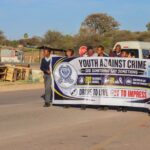

The Ministry of Youth and Gender Affairs in Serowe, in partnership with FunClick Hub, organized a Gender-Based Violence (GBV) awareness run over the weekend to highlight the importance of addressing GBV in local communities. The event aimed to educate the public and encourage collective action against all forms of gender-based violence. In preparation, ministry officials and their partners conducted a door-to-door campaign targeting households across Serowe, focusing on the elderly, children, and people with disabilities who often miss out on community awareness initiatives. This outreach was designed to ensure that all segments of society are informed about the prevalence of GBV and the support structures available for victims. The awareness run was planned not only as a physical activity but also as a platform for learning, dialogue, and community engagement on a critical social issue.
The event began with an aerobics warm-up led by Kombos Fitness Centre, preparing participants for a 10km run, a 5km run, and a 2.5km fun walk. Participants from all age groups and backgrounds joined in, creating a visible show of solidarity against GBV. The run provided a unique opportunity for individuals to come together physically and symbolically, demonstrating that combating violence requires active participation from the entire community. By combining fitness with education, the organizers encouraged engagement in a way that was both accessible and impactful. The presence of NGOs, private businesses, and local residents highlighted the shared responsibility across sectors to prevent and respond to GBV effectively.
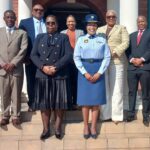
During the event, important discussions addressed the rising concerns of GBV in Serowe. The chief runner, Mr Amos Kekgathetse, Botswana Police Service Commanding Officer for District No. 2, spoke about the increasing cases of intimate partner violence in the area. He urged participants to be vigilant, support victims, and report any suspected instances of abuse. Mr Kekgathetse also emphasized the role of neighbourhood watch groups in promoting safety and preventing violence, reinforcing the need for community-led initiatives alongside official interventions. His message underlined that combating GBV requires ongoing dialogue, awareness, and active monitoring by both individuals and organized groups.
The GBV awareness run successfully combined education, engagement, and physical activity to foster a culture of vigilance and support. By focusing on marginalized groups, the campaign ensured that even those who often miss out on outreach efforts were included and informed. The event also provided a forum for the exchange of ideas and practical strategies to reduce violence, encouraging participants to apply what they learned in their homes and neighbourhoods. In addition to raising awareness, the initiative strengthened community networks, created opportunities for partnerships, and reinforced the importance of reporting and intervention. Such events demonstrate the power of collaborative action in addressing complex social issues like GBV.
Overall, the Serowe GBV awareness run reflects a proactive approach to community education and prevention. It highlighted the critical role of government ministries, NGOs, and local businesses in promoting safety and equality. Through a combination of physical engagement, discussion, and targeted outreach, the initiative empowered residents to recognize, prevent, and respond to GBV. The event reinforced the message that ending gender-based violence requires vigilance, education, and cooperation at every level of society. By continuing such efforts, Serowe is setting a precedent for inclusive, community-driven action against GBV.