Botswana’s mining sector stands as a cornerstone of the nation’s economy, contributing significantly to GDP and employment. Diamonds, copper, nickel, and coal mining continue to drive growth and industrial development. However, mining is inherently risky, with workers facing hazards such as falling debris, dust exposure, heavy machinery accidents, and confined spaces. Ensuring the safety of miners is not just a regulatory requirement—it’s a moral imperative and a key factor in operational efficiency.
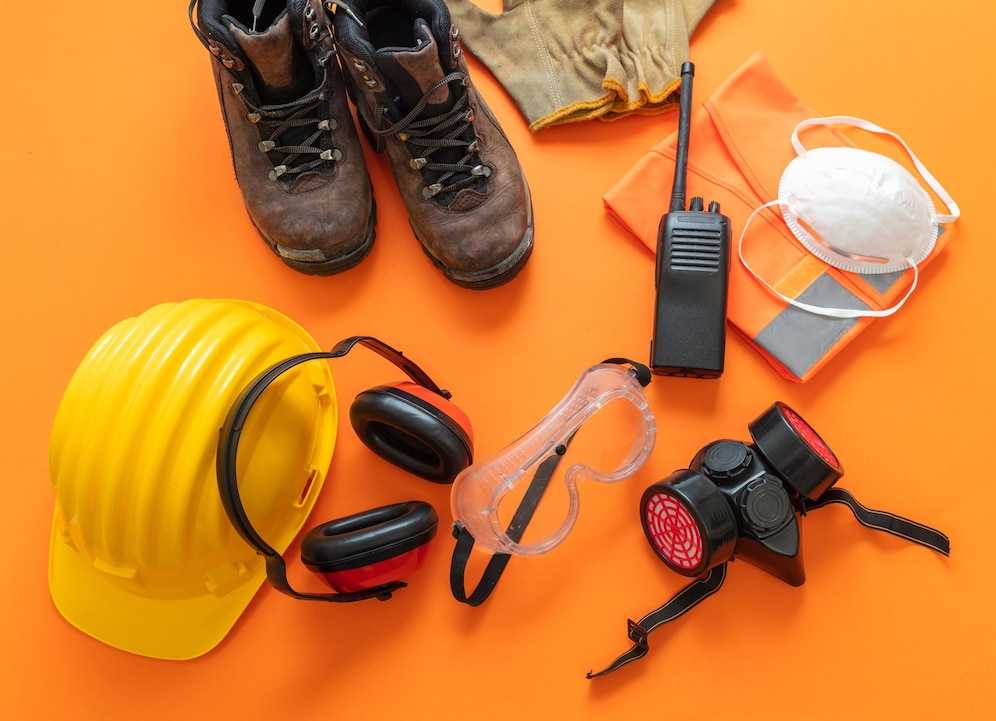
Supplying high-quality safety gear to Botswana’s mines is a vital component in safeguarding workers and maintaining productivity. The demand for personal protective equipment (PPE) has grown steadily as mining companies adopt stricter safety standards aligned with international best practices and government regulations. Helmets, safety boots, high-visibility clothing, respiratory masks, gloves, and eye protection are among the essential items mining operations rely on daily.
One of the challenges in supplying safety gear to Botswana’s mining industry is sourcing reliable, certified products that meet the harsh working conditions underground and in open-pit environments. Many mining companies prefer suppliers who can provide durable, comfortable equipment designed for African climates, where heat and dust are constant challenges. Products that combine safety compliance with ergonomic design improve worker adherence and reduce fatigue.
Local suppliers and distributors have an opportunity to become preferred partners by understanding mining companies’ unique requirements. Stocking a wide range of PPE brands, offering on-site consultations, and providing training on proper gear usage can differentiate suppliers in this competitive market. Additionally, timely delivery and flexible supply contracts are crucial to avoid operational delays caused by equipment shortages.
Technology is also playing an increasing role in mining safety gear. Smart helmets equipped with sensors to monitor environmental hazards, GPS tracking for lone workers, and wearable devices that track vital signs are gaining traction globally. Botswana’s mining sector is beginning to explore these innovations, creating opportunities for forward-thinking suppliers to introduce advanced safety solutions.
Sustainability is another emerging consideration. With Botswana’s focus on environmentally responsible mining practices, suppliers offering reusable or recyclable safety gear can appeal to companies aiming to reduce their ecological footprint. Partnering with manufacturers who prioritize eco-friendly materials aligns with the country’s broader development goals.
Government agencies and industry bodies regulate mining safety in Botswana, and compliance with their standards is non-negotiable. Suppliers who maintain certifications such as ISO 45001 (Occupational Health and Safety Management) and ensure products meet local and international safety standards build credibility and trust among mining clients.
The supply of safety gear to Botswana’s mining sector is more than just a business opportunity—it’s a critical service that protects lives and supports one of the country’s most important economic drivers. Suppliers that combine quality products, local market knowledge, technological innovation, and excellent customer service stand to gain a competitive edge in this growing and vital market. As Botswana continues to develop its mining industry, the demand for effective safety solutions will only increase, making this a promising field for entrepreneurs and established businesses alike.