
Southern Africa has taken a decisive step to confront rising criminal threats that cross national borders, as a high-level consultative meeting on transnational organised crime began on 24 February 2026 in Kasane, Botswana. The gathering brings together senior law enforcement officials from Angola, Botswana, Namibia, South Africa, Zambia and Zimbabwe, all united by a shared urgency to protect their economies and citizens. Hosted in the tourism hub of Kasane, the meeting reflects a growing recognition that crime in the region no longer operates within national boundaries. Criminal networks now exploit weak coordination, porous borders and digital tools to expand their reach. This meeting aims to close those gaps through structured dialogue and coordinated action. It also signals political will from participating governments to move beyond isolated efforts and build a unified regional response.
The engagement is taking place at Mowana Lodge, where delegates are focusing on practical strategies to improve intelligence sharing and joint operations. Officials are reviewing existing cooperation frameworks and identifying areas where enforcement can be tightened. They are also assessing how technology can support faster communication between agencies, especially in urgent cross-border cases. Real-time data exchange remains a key challenge, and the meeting seeks to establish clearer protocols for this. By aligning operational standards, the countries aim to reduce delays that criminals often exploit. The setting allows for direct engagement between decision-makers who can influence immediate policy adjustments.
Discussions are centered on some of the most pressing threats facing the region today, including cybercrime, livestock theft, vehicle theft and illegal mining. Cybercrime has grown rapidly, driven by increased internet access and limited digital security awareness in some areas. Livestock theft continues to affect rural economies, where communities depend heavily on agriculture for income and food security. Vehicle theft networks operate across borders, making recovery difficult without coordinated tracking systems. Illegal mining remains a major concern, particularly in resource-rich areas where unregulated activities fuel violence and environmental damage. These crimes share one common factor, they rely on cross-border movement and weak enforcement links, which this meeting seeks to address directly.
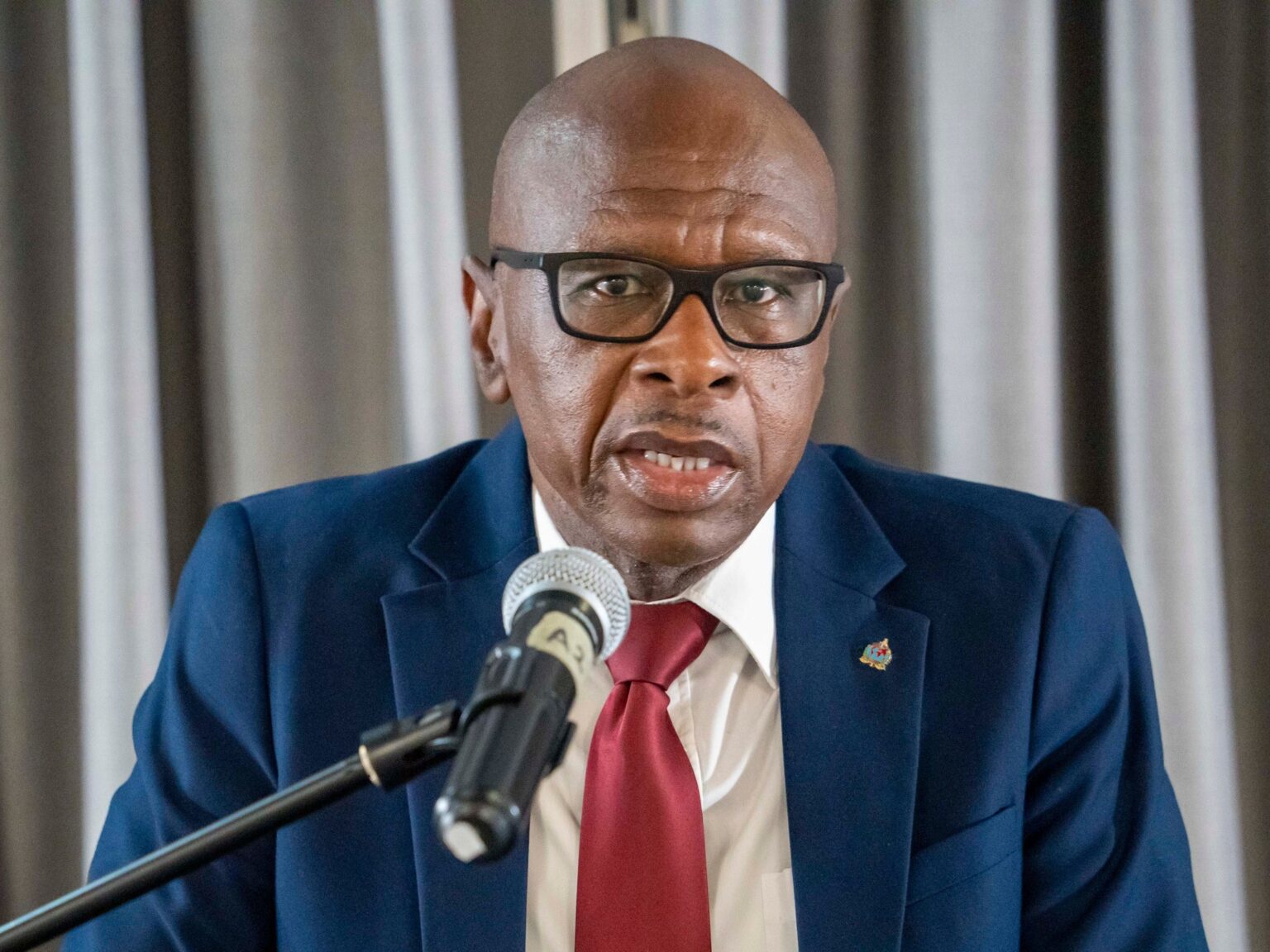
Leadership plays a critical role in setting the tone for cooperation, and Botswana has positioned itself as a central facilitator in this effort. The Minister for State President, Defence and Security, Moeti Caesar Mohwasa, is expected to officially open the meeting on 25 February 2026. His involvement highlights the importance Botswana places on regional stability and security collaboration. Political backing ensures that outcomes from the meeting translate into actionable policies rather than remaining as recommendations. It also strengthens accountability among participating nations, as commitments made at this level carry weight. The presence of high-ranking officials increases the likelihood of sustained cooperation beyond the event.
This consultative meeting reflects a broader shift in how Southern African countries approach organised crime. Instead of reactive measures, there is a clear move toward prevention, coordination and intelligence-driven enforcement. Stronger partnerships can lead to joint border patrols, shared databases and synchronized investigations. These measures can disrupt criminal networks more effectively than isolated national efforts. The success of this initiative will depend on consistent follow-through, adequate funding and continuous communication between countries. If implemented well, the outcomes can improve public safety, protect economic resources and strengthen trust among neighbouring states.