
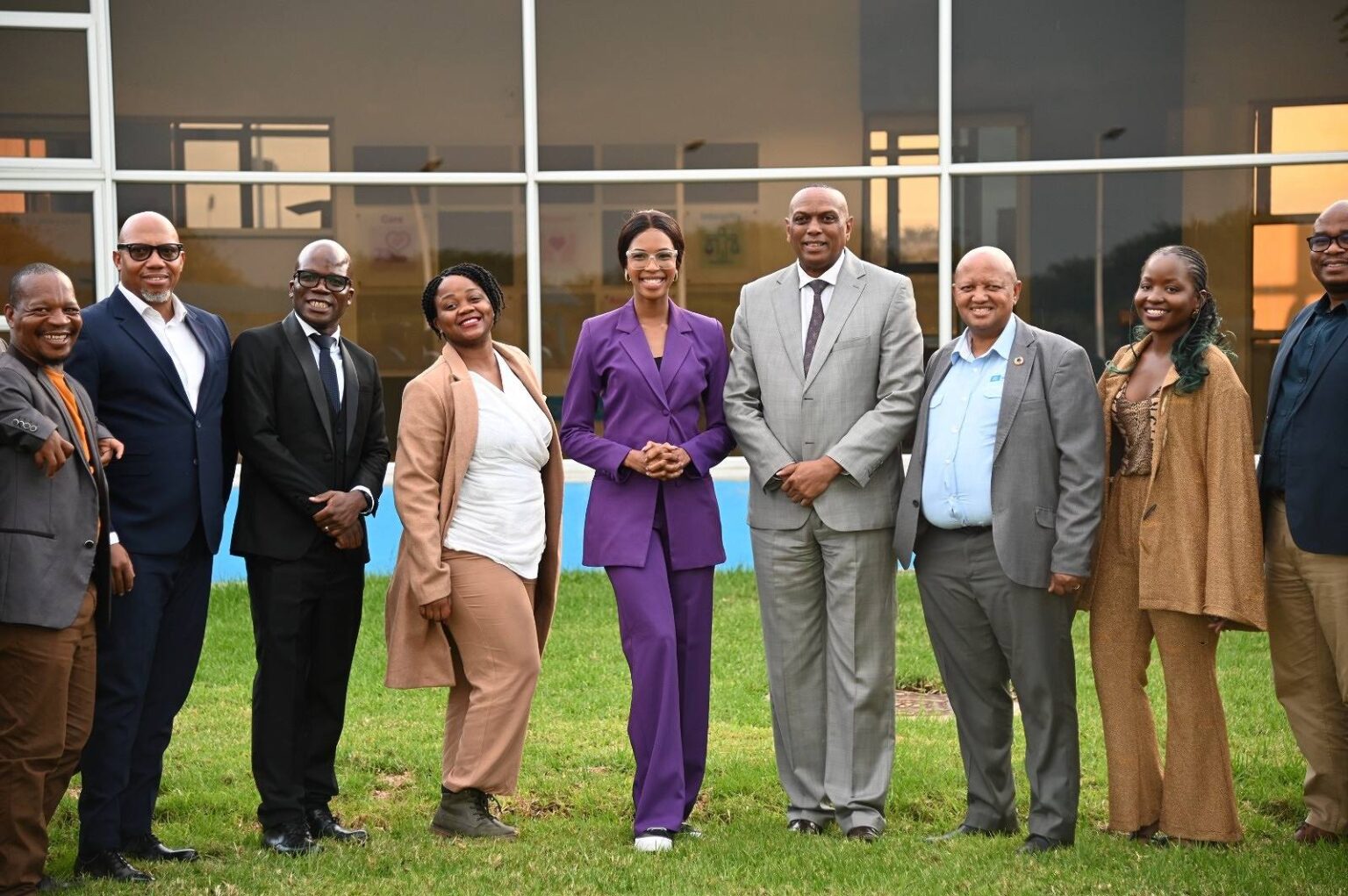
During a recent validation session for the Youth Development Fund (YDF), young entrepreneurs and key stakeholders gathered to review the structure and direction of the programme, with strong calls for policy reforms that better reflect the current economic realities faced by young people. The discussions focused on how the fund can be modernised to remain relevant in a changing labour market where traditional employment is no longer the only path to economic stability. Participants raised concerns that the existing framework does not fully capture the challenges and timelines experienced by emerging entrepreneurs. There was a shared view that the YDF must evolve into a more flexible and inclusive financial support mechanism. The session highlighted the urgency of aligning youth funding policies with real-world entrepreneurial development patterns.
A major point of discussion centred on the expansion of the age eligibility criteria for the fund. Stakeholders proposed increasing the upper age limit from 35 to 39, arguing that many individuals only begin to establish stable business foundations later in life. They noted that entrepreneurship often requires years of experience, exposure, and financial preparation before it becomes viable. Participants stressed that the current cut-off point may exclude capable individuals who are still in the early stages of business growth. The proposal aims to ensure that more citizens who are actively transitioning into entrepreneurship can access financial support. This adjustment, they argued, would help reduce barriers that limit economic participation among late-blooming entrepreneurs.
Inclusivity also featured prominently in the discussions, with strong emphasis placed on ensuring that the YDF becomes accessible to all, including persons living with disabilities. Stakeholders highlighted that economic empowerment programmes must be designed in a way that removes structural barriers and promotes equal participation. They called for targeted support mechanisms that address the specific challenges faced by differently-abled entrepreneurs. These include access to adapted training, flexible funding structures, and improved accessibility in application processes. Participants argued that true economic transformation can only be achieved when all groups are given equal opportunities to contribute. The session reinforced the importance of building a funding system that does not unintentionally exclude vulnerable groups.
Another key theme that emerged was the need to recognise the timing of entrepreneurial success among young people. Participants explained that many individuals only begin to stabilise financially and gain business confidence after the age of 30. This reality, they argued, should be reflected in the design of youth funding programmes. The discussions pointed to the need for a more realistic understanding of the entrepreneurial journey, which often includes years of trial, failure, and gradual growth. Stakeholders suggested that policy frameworks should accommodate this progression rather than impose rigid age limitations. By doing so, the YDF could become a more effective tool for long-term economic empowerment.
The session also explored how the YDF can better contribute to national economic transformation by prioritising high-growth sectors. Participants recommended increased focus on areas such as manufacturing value chains, tourism diversification, and strategic economic zoning. These sectors were identified as having strong potential to create jobs and stimulate sustainable development. Stakeholders emphasised that funding should not only support small-scale survival businesses but also encourage scalable and industrially relevant enterprises. They argued that aligning youth funding with national economic priorities would increase the overall impact of the programme. The discussions highlighted the importance of linking youth entrepreneurship directly to broader development goals.
Overall, the validation session for the Youth Development Fund reflected a strong and unified call for reform aimed at making the programme more inclusive, flexible, and economically impactful. Young entrepreneurs and stakeholders presented clear recommendations that focused on expanding eligibility, improving accessibility, and aligning funding with high-growth sectors. The proposals underscored the need for policies that reflect the lived realities of modern entrepreneurship in Botswana. There was a clear message that youth development initiatives must evolve to remain relevant and effective in addressing unemployment and underemployment. The session concluded with a shared understanding that strengthening the YDF could play a critical role in shaping a more inclusive and dynamic economy for the future.