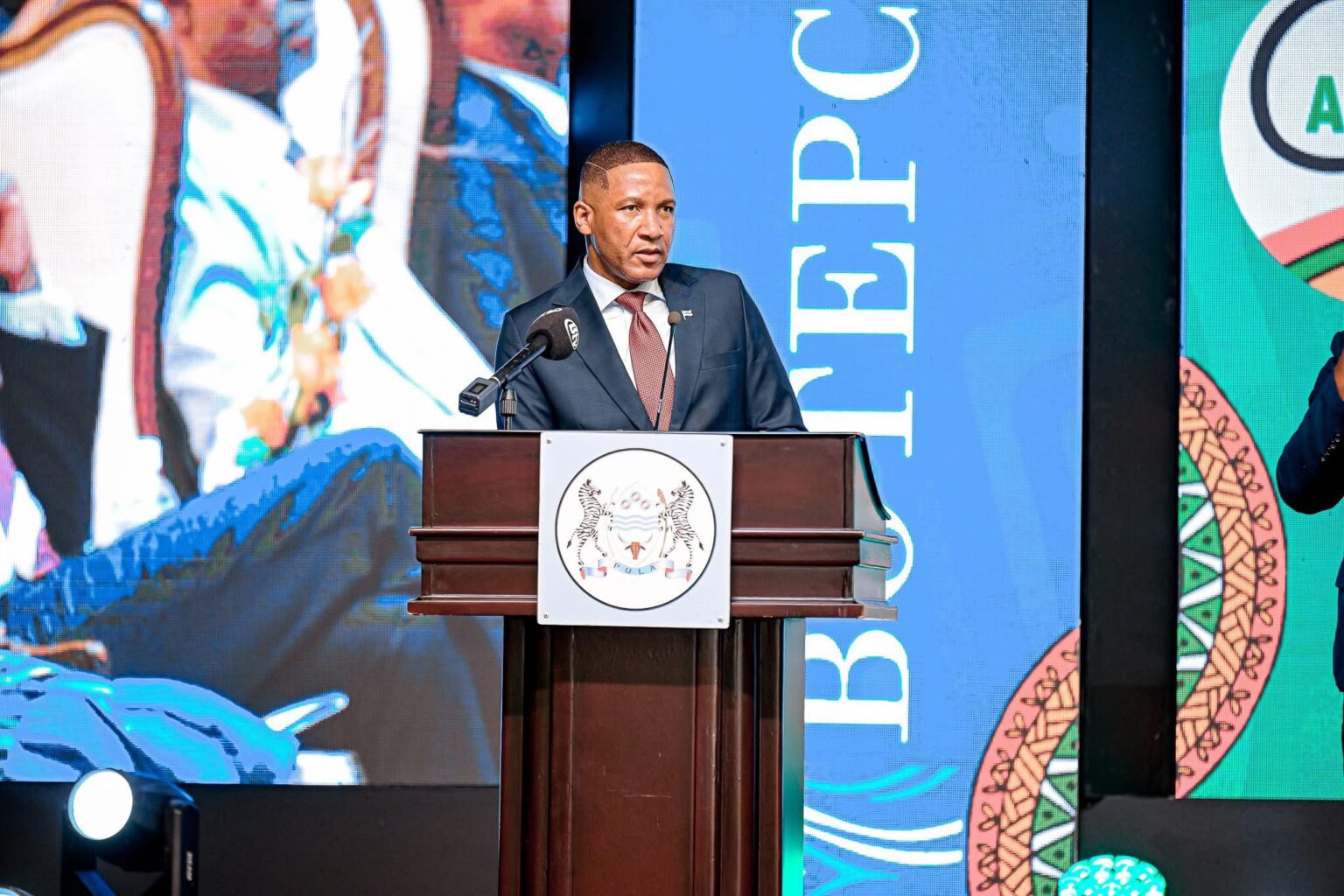
Yesterday’s opening remarks by Duma Gideon Boko at the AFTRA Conference set a serious and forward-looking tone that resonated across the continent. His speech was not only powerful in delivery but deeply reflective in substance, calling for a shift in how Africa approaches education and development. He framed education as more than policy or structure, describing it as the foundation upon which Africa’s future rests. With one of the youngest populations in the world, the continent stands at a critical point where decisions made today will shape generations to come. His words carried urgency but also hope, urging stakeholders to act with intention and purpose. The message was clear that transformation begins with a mindset shift, and that shift must start within the education sector. His address positioned teachers, institutions, and leaders as central players in Africa’s rise.
A key focus of the speech was the role of teachers and the weight of responsibility they carry. President Boko stressed that educators are not just facilitators of knowledge but architects of the future. He pointed out that professionalism, ethical conduct, and ongoing development are not optional but essential requirements for those in the teaching profession. Teachers influence how young people think, solve problems, and engage with the world. This influence extends far beyond classrooms and into the social and economic fabric of nations. He emphasized that investing in teacher development leads directly to stronger societies and more stable economies. Without capable and committed educators, even the best policies will fail to deliver results. His remarks reinforced the need for systems that support teachers in both skills and values.
Another strong theme in the address was the importance of self-reflection within the education system. President Boko called on educators and institutions to take an honest look at their current state and identify areas of weakness. He made it clear that progress cannot happen without acknowledging shortcomings. This requires courage, especially in environments where change can be uncomfortable or resisted. He urged stakeholders to rethink outdated systems and rebuild structures that promote collaboration and innovation. Reflection, in this context, becomes a tool for growth rather than criticism. By encouraging this mindset, he pushed for a culture where continuous improvement is normal and expected. His message challenged the education sector to move beyond complacency and toward accountability.
Collaboration and partnership also featured strongly in his remarks. President Boko highlighted that Africa cannot advance in isolation and must strengthen connections across countries, institutions, and disciplines. He stressed that knowledge sharing is critical in solving complex challenges facing the continent. Rather than relying heavily on external solutions, Africa must build its own knowledge systems and produce ideas that reflect its realities. This approach positions the continent not just as a consumer of information but as a creator of innovation. He pointed out that collaboration leads to stronger, more adaptable systems that can respond to changing global demands. Partnerships, when built on shared goals, can accelerate development and improve education outcomes. His call to action encouraged leaders to break down silos and work toward collective progress.
Imagination and forward thinking stood out as another important pillar of the speech. President Boko urged educators and policymakers to think beyond current limitations and explore new possibilities. In a world shaped by rapid technological change, including artificial intelligence, traditional approaches to education are no longer enough. He emphasized the need for bold ideas that prepare learners for future challenges rather than past realities. This requires creativity, adaptability, and a willingness to experiment with new methods. He encouraged the education sector to embrace innovation while staying grounded in purpose. By doing so, Africa can position itself as a leader in emerging fields rather than a follower. His remarks highlighted that progress depends on the ability to imagine and build what does not yet exist.
At the core of his message was a return to human values and dignity. President Boko reminded the audience that education must remain rooted in principles that respect humanity and community. He spoke about the importance of Bothu, a concept that emphasizes compassion, respect, and interconnectedness. This perspective ensures that progress does not come at the cost of ethical grounding. Education, in this sense, is not only about knowledge but about shaping responsible and conscious citizens. He stressed that when teachers are supported and valued, they pass those values on to learners. This creates a ripple effect that strengthens societies from within. His emphasis on humanity provided a moral framework for all the ideas presented in his speech.
The address closed with a strong sense of optimism about Africa’s future. President Boko made it clear that the continent’s rise is not a distant possibility but an achievable reality. However, this future depends on how education systems evolve today. He reinforced that transformation starts with individuals, from teachers to policymakers to students. Every action taken within the education sector contributes to a larger vision of growth and development. His speech served as both a challenge and an inspiration to all stakeholders. It called for courage in decision making, honesty in reflection, and unity in action. Africa’s progress, as he stated, will be remarkable, but it begins with how the continent chooses to teach, learn, and collaborate today.