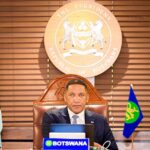

The Minister of Health, Hon. Dr Stephen Modise, visited Maun yesterday to engage with North West District leadership and multisectoral teams addressing the growing rabies challenge in the area. Stephen Modise The visit focused on strengthening coordination between government departments, veterinary services, and local health structures to respond to rising rabies exposures. The meeting brought together technical experts who are directly involved in surveillance, treatment response, and community awareness efforts. The Minister used the engagement to assess progress on the ground and identify urgent gaps that require immediate attention. His presence signaled a high-level commitment from government to contain the outbreak and protect public health in affected communities.
Recent weeks have seen a notable increase in rabies exposures across Botswana, with the North West District emerging as one of the most affected regions. Maun village has recorded a significant concentration of reported cases, placing pressure on local health systems and animal control services. The situation has raised concern due to the fast spread of the disease and the risks it poses to both humans and animals. Rabies remains a fatal disease once symptoms appear, which makes early intervention and prevention critical. Health and veterinary teams have been working under challenging conditions to manage exposures, conduct vaccinations, and trace possible sources of infection. The growing number of cases has made coordinated action more urgent at district and national levels.
During an afternoon meeting with the technical team, Minister Modise reaffirmed the Government’s commitment to treating the rabies situation with the highest level of seriousness. He assured stakeholders that all necessary measures will be taken to contain and control the outbreak effectively. These measures include strengthening surveillance systems, increasing public awareness campaigns, and improving access to post-exposure treatment for affected individuals. The Minister also emphasized the importance of collaboration between human health services and animal health authorities to ensure a unified response. He highlighted that timely reporting and rapid response are essential in preventing further spread within communities. The engagement also focused on improving logistical support for frontline teams working in remote and high-risk areas.
Government response efforts are being implemented alongside key stakeholders, including district leadership, veterinary professionals, and community health workers. The multisectoral approach aims to address both the human and animal dimensions of rabies control, particularly in high-risk areas such as Maun and surrounding settlements. Public education remains a key component of the strategy, with emphasis on responsible pet ownership, vaccination of dogs, and immediate reporting of animal bites. The Minister noted that sustained community participation is critical to the success of containment efforts. Continued monitoring and data-driven decision-making are expected to guide future interventions. The visit reinforced the Government’s position that rabies control requires coordinated national effort, rapid response, and strong community engagement to reduce risks and protect public safety.