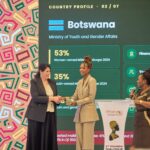
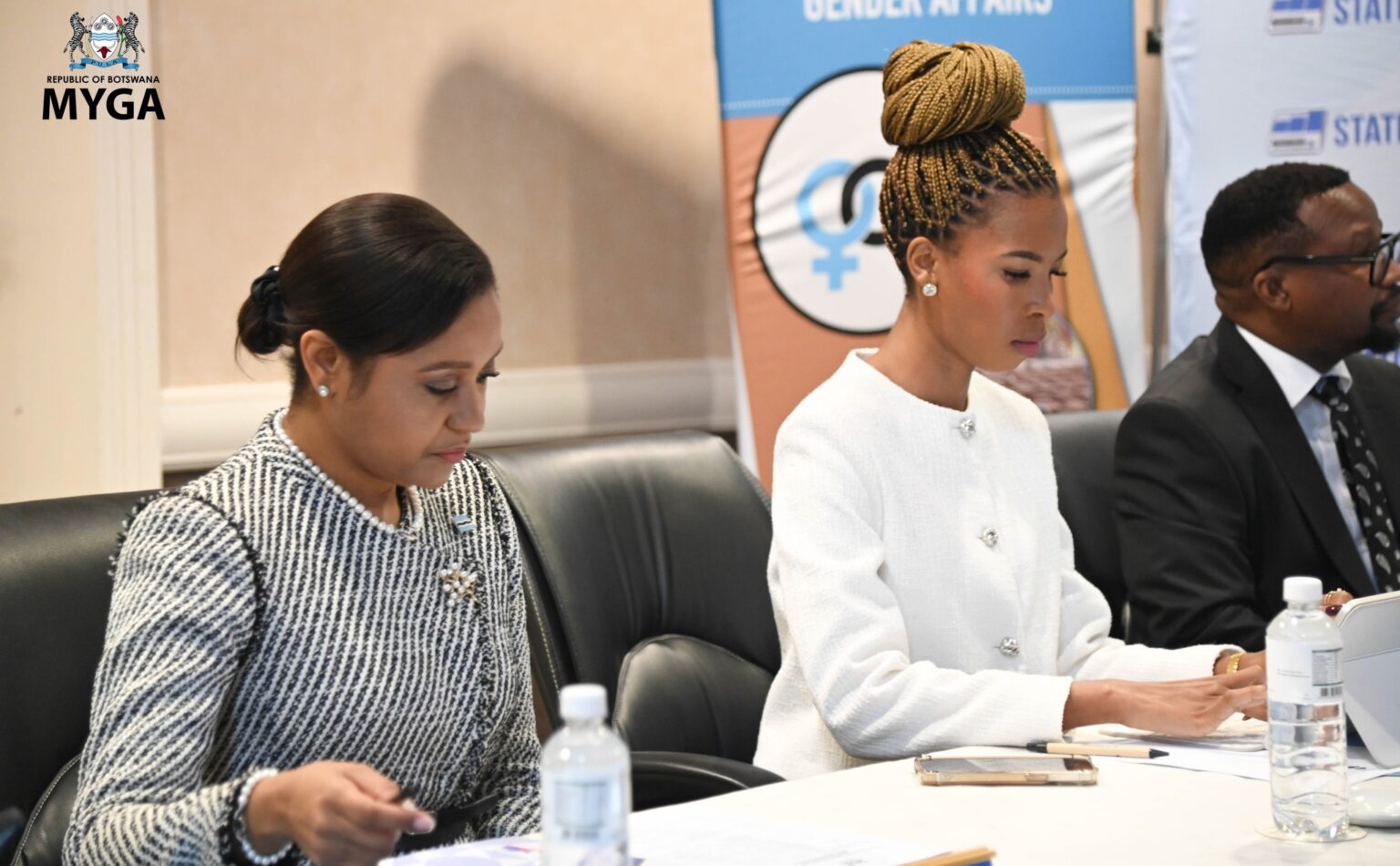
The Ministry of Youth and Gender Affairs is reinforcing its commitment to data driven governance to improve decision making, service delivery and national development outcomes. The Ministry has placed statistics at the centre of planning as it works to ensure that policies reflect real needs across communities. Ministry of Youth and Gender Affairs has highlighted that inclusive development depends on accurate and timely data that captures the experiences of all groups in society. Speaking at the Sectoral Statistics Plan II Workshop, Lesego Chombo stressed that inclusivity remains a core priority and that meaningful inclusion cannot happen without strong data systems. She further noted that data is now a strategic asset that shapes how governments respond to a rapidly changing environment. The Minister also raised concern about global demands for accuracy and trust in official statistics, emphasizing that Botswana must strengthen its data credibility. This approach signals a shift toward evidence based governance where decisions rely on verified information rather than assumptions.
The Sectoral Statistics Plan II Workshop is focused on validating a key national framework that will guide statistical work from 2025 to 2029. The Permanent Secretary of the Ministry, Natasha Rampa, explained that the plan supports the Ministry’s mandate of promoting youth empowerment and gender equality through inclusive laws, policies and programmes. She noted that the workshop provides an opportunity for stakeholders to review priorities and align them with national development goals. The Sectoral Statistics Plan II is built on four main strategic directions that guide its implementation. These include improving access and use of statistics for planning and policy making, ensuring the availability of high quality and reliable data, strengthening coordination within the sector statistical system, and securing sufficient human, infrastructure and financial resources to support statistical work. Each of these goals is designed to improve how data is collected, managed and applied in decision making processes. The validation process is expected to ensure that all stakeholders agree on the direction and structure of the plan.
The importance of accurate statistics was further emphasized by the Statistician General, Khaufelo Lekobane, who highlighted the role of data in achieving long term national development goals. He explained that Botswana’s development frameworks, including Vision 2036, the Botswana Economic Transformation Programme and National Development Plan 12, all depend heavily on evidence based planning. He pointed out that reliable statistics are essential for identifying inequalities and tracking progress across different population groups. Without strong data systems, it becomes difficult to measure whether development programmes are reaching the people who need them most. He further stressed that inclusive development requires continuous monitoring of outcomes to ensure that no group is excluded from national progress. His remarks reinforced the idea that data is not only a technical tool but also a foundation for fairness and accountability in governance.
The Sectoral Statistics Plan II Workshop, which continues until 21 May 2026, represents an important step in strengthening Botswana’s statistical systems within the youth and gender sector. It brings together government officials and technical experts to ensure that the country builds a coordinated and efficient data ecosystem. The discussions taking place during the workshop are expected to shape how data is collected, shared and used across institutions. Stronger coordination will help reduce duplication of efforts and improve the quality of information available for policy making. The workshop also supports the broader goal of building a modern public service that responds effectively to social and economic challenges. As the process moves forward, the emphasis remains on ensuring that data becomes a central driver of planning and accountability. This initiative reflects a long term commitment to using evidence as the foundation for inclusive and sustainable development in Botswana.