
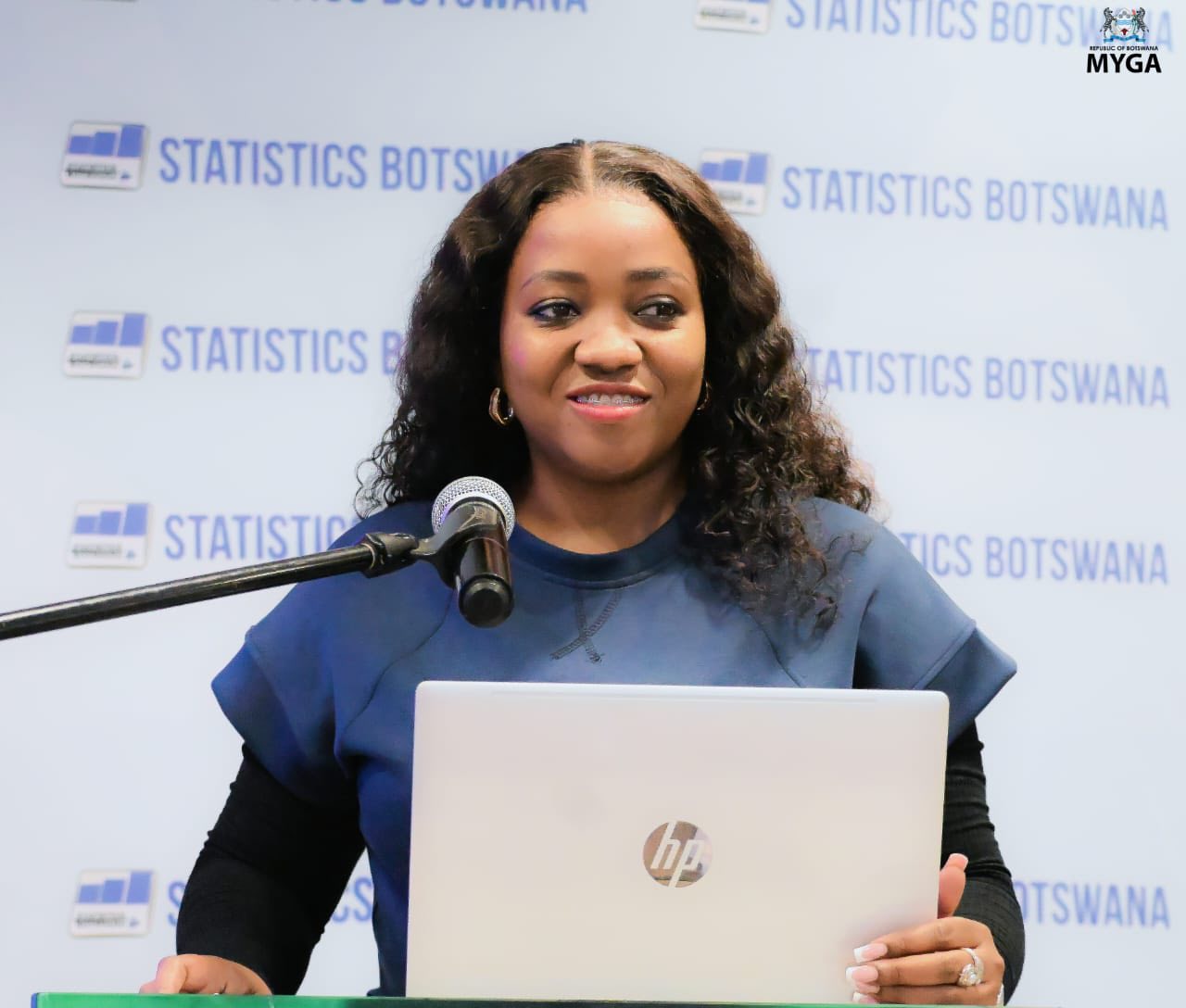
The second day of the Youth and Gender Affairs Statistics Validation Workshop focused on strengthening the foundation of mission alignment and strategic planning within the sector. Participants continued detailed discussions aimed at reviewing and validating the organisation’s mission, vision and core values to ensure they reflect current national priorities. The process brought together technical experts and stakeholders who examined how the institution defines its purpose and long term direction. Attention was given to making sure that the guiding principles remain relevant to youth and gender realities on the ground. The engagement also created space for reflection on how institutional clarity can improve service delivery and accountability.
Working groups played a central role in advancing the review process by examining strategic goals in detail and testing their relevance to current challenges. Participants assessed whether existing goals adequately respond to issues affecting young people and gender equality outcomes. They also proposed adjustments where gaps were identified and introduced new ideas to strengthen implementation capacity. Key discussions focused on practical strategies, measurable performance indicators and priority initiatives that can guide execution of the strategic plan. The approach ensured that planning is not only theoretical but also linked to achievable outcomes that can be tracked over time.
A strong emphasis was placed on collaboration across sectors as participants highlighted the importance of coordinated efforts between government departments, development partners and community based organisations. They noted that effective data collection depends on shared systems and consistent engagement between all actors involved in youth and gender programming. Participants stressed that fragmented data systems limit the ability to respond quickly to emerging social challenges. Improved cooperation was seen as essential for building a unified approach to information gathering and analysis. The discussions reinforced that no single institution can address complex social issues without partnership and shared responsibility.
Reliable and timely statistics were identified as a key requirement for addressing major social challenges affecting communities. Participants pointed out that accurate data is essential for tackling youth unemployment, gender based violence, skills development gaps and broader social inclusion issues. They explained that without dependable information, planning and resource allocation become less effective and less responsive to real needs. Strengthening data systems would allow the Ministry to track programme performance more accurately and identify areas requiring urgent intervention. The discussions also highlighted the importance of using data not only for reporting but also for shaping proactive solutions.
The workshop concluded its second day with a clear focus on building stronger systems that support evidence based decision making in the youth and gender sectors. Participants reaffirmed the importance of validating strategic direction through inclusive consultation and technical input. The process was seen as a critical step toward improving how programmes are designed, implemented and evaluated. By strengthening data systems and collaboration, the initiative aims to improve outcomes for young people and promote gender equality more effectively. The continued engagement signals a commitment to building a more coordinated and data driven approach to social development planning.