The Ministry of Youth and Gender Affairs, through its Gender Affairs Department, is intensifying efforts to fast track the national gender response by rolling out hybrid capacity building workshops for District Gender Committees. The initiative aims to strengthen coordination at district level and improve how gender equality is integrated into planning and service delivery. The workshops bring together key stakeholders responsible for local governance and development implementation across different sectors. They focus on building practical skills that support more inclusive decision making and responsive service delivery. The programme is designed to ensure that gender considerations are consistently applied in all district development processes.
District Gender Committees serve as multi sectoral platforms chaired by respective District Commissioners and play a central role in promoting gender equality at local level. These committees are responsible for ensuring that gender perspectives are included in district development planning, service delivery systems and decision making processes. They bring together representatives from government departments, community structures and other key stakeholders to coordinate gender related interventions. Through this structure, districts are able to identify gaps in gender responsiveness and develop targeted solutions. The committees also support the alignment of local initiatives with national gender equality goals.
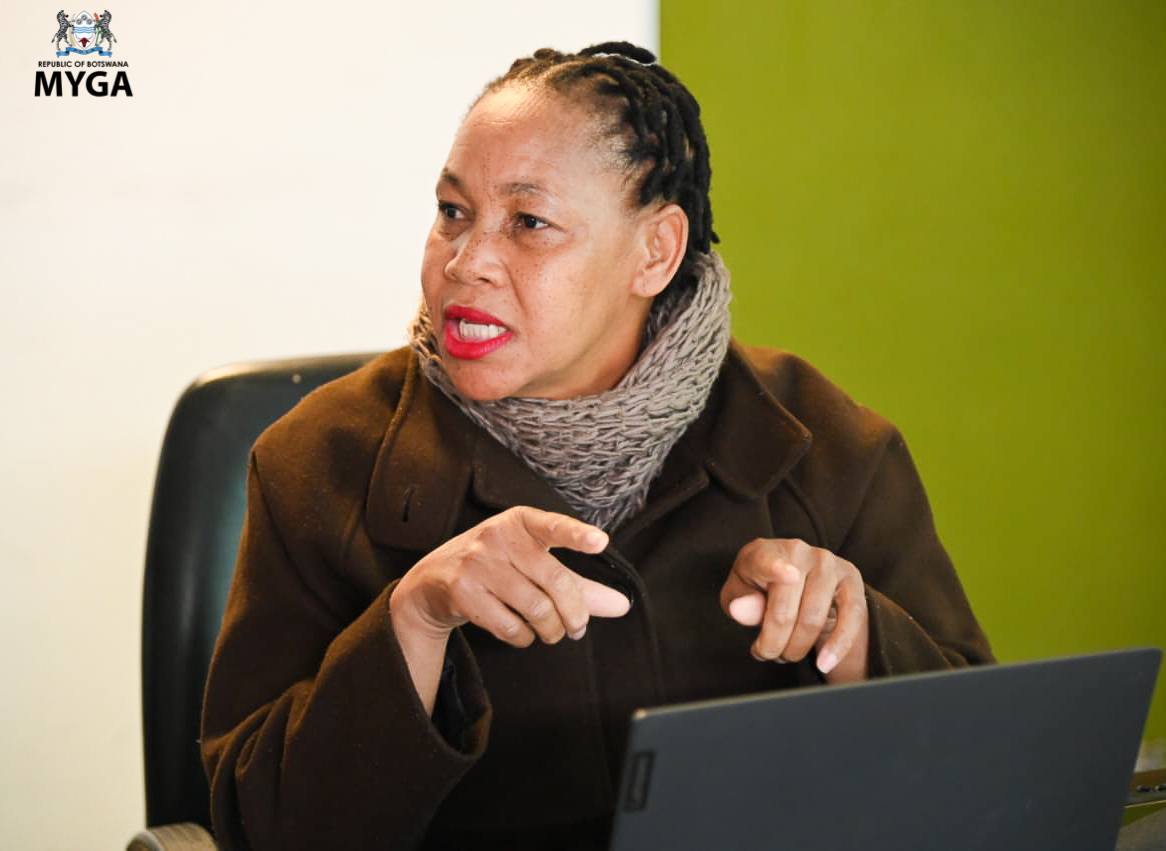
During the workshop, Senior Gender Officer for Kweneng District, Ms Gorata Ntshwabi, delivered detailed guidance on Gender Mainstreaming Terms of Reference. She urged members of District Gender Committees to apply a gender lens in all programming and when addressing gender issues at district level. She explained that using a gender lens means ensuring that services are delivered fairly and equitably to all members of the population without discrimination. Ms Ntshwabi emphasized that this approach requires careful consideration of how policies and programmes impact different groups. Her presentation reinforced the importance of consistency in applying gender responsive approaches across all sectors.
Ms Ntshwabi further highlighted key pillars necessary for achieving gender parity at district level. She pointed to equal access to resources, financial empowerment, education opportunities and decision making roles as critical factors in reducing inequality. She also stressed the importance of strengthening gender responsiveness in all institutional processes to ensure that no group is left behind. According to her, meaningful progress can only be achieved when gender considerations are fully integrated into planning and implementation frameworks. The discussions encouraged participants to reflect on how existing systems either support or limit equality in their respective districts.
The hybrid capacity building workshop is part of a broader national effort to strengthen gender mainstreaming across Botswana’s development landscape. It aims to equip District Gender Committees with the knowledge and tools needed to respond effectively to gender related challenges at community level. The programme continues tomorrow with the Letlhakeng District Gender Committee scheduled to undergo further capacity building sessions. These sessions are expected to reinvigorate and strengthen the committee’s ability to implement gender responsive strategies. The ongoing training reflects a sustained commitment to building stronger institutions that can drive meaningful progress toward gender equality across all districts.