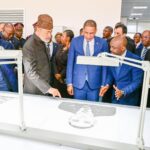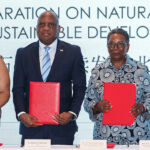
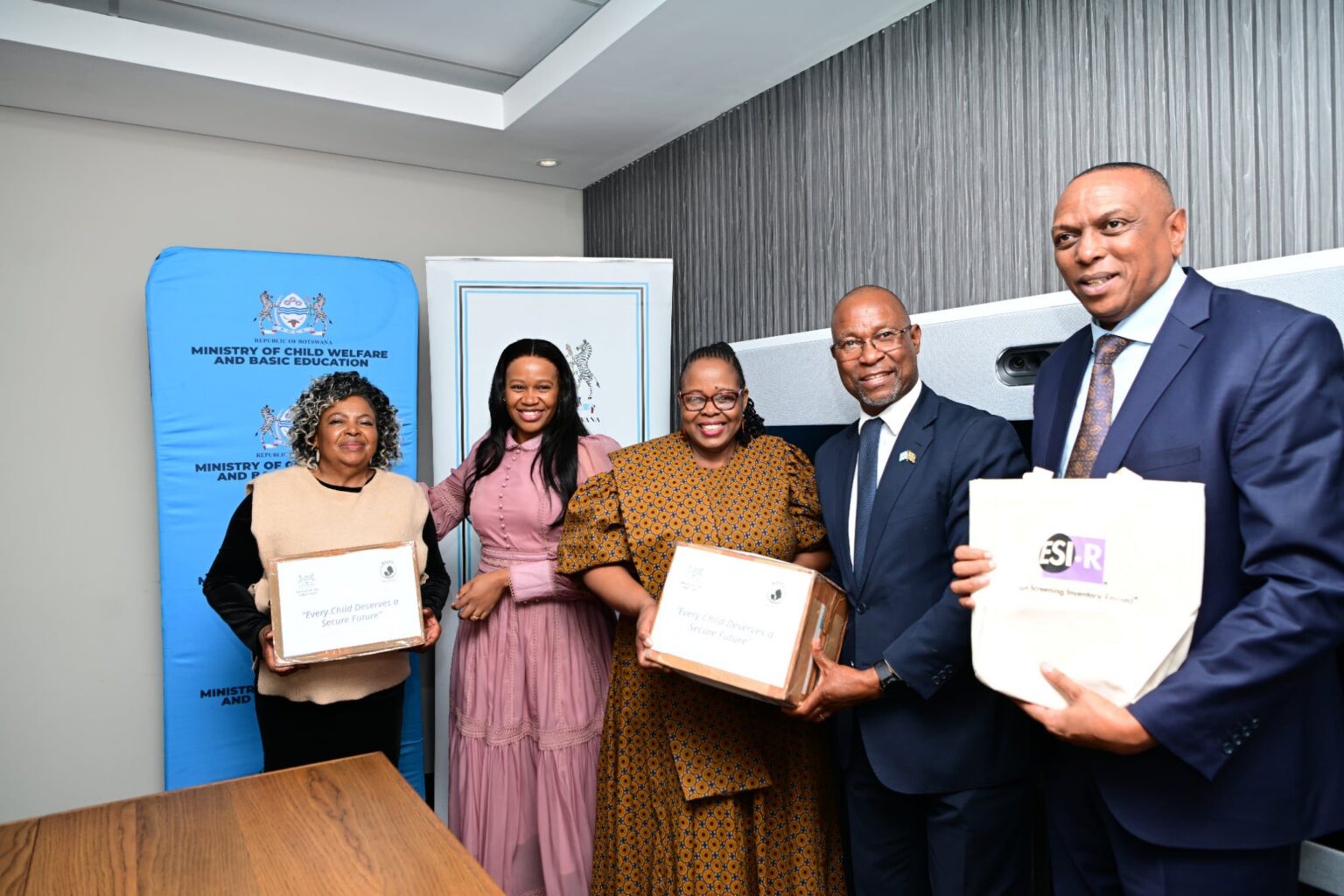
The First Lady of Botswana, Kaone Boko, has taken a significant step toward improving inclusive education services in Botswana through the handover of specialised psychometric and diagnostic assessment tools. The intervention comes after challenges identified during her visit to the Central Resource Centre for Special Education. The initiative aims to improve how children with intellectual and developmental disabilities are assessed and supported within the national education system. The tools were officially handed over to the Ministry of Child Welfare and Basic Education with the support of development partners. This move reflects a growing national focus on early diagnosis, accurate assessment and improved educational placement for learners who require specialised support.
The newly delivered psychometric and diagnostic tools are expected to transform how assessments are conducted at the Central Resource Centre for Special Education. These tools will help professionals gather more accurate information about a child’s cognitive, emotional and developmental needs. With improved assessment capabilities, educators and specialists can make better-informed decisions about interventions and learning pathways. The resources are also designed to strengthen early identification of learning difficulties, which is essential for timely support. This development is expected to reduce delays that previously affected the delivery of specialised education services.
The impact of this initiative goes beyond equipment delivery and directly addresses service gaps that were observed at the Centre. By improving diagnostic accuracy, the tools will help ensure that children receive tailored interventions based on their specific needs. This supports better educational placement decisions, allowing learners to be placed in environments where they can thrive. The focus on early intervention is particularly important because it increases the likelihood of improved long-term developmental outcomes. Strengthening these services aligns with national priorities aimed at building an inclusive education system that accommodates all learners regardless of ability.
A key partner in this initiative is Merck Foundation, which supported the procurement and delivery of the assessment tools. The partnership highlights the role of collaboration between government and international organisations in addressing gaps in public service delivery. Through such cooperation, Botswana is able to access specialised resources that enhance its capacity to support vulnerable groups. The involvement of partners also demonstrates how shared expertise and funding can accelerate progress in inclusive education. This collaboration is expected to serve as a model for future partnerships aimed at strengthening social services in the country.
The initiative reflects a broader national commitment to ensuring equitable access to quality education for all children in Botswana. By investing in diagnostic and assessment capacity, the government is strengthening the foundation of its inclusive education framework. The focus on children with intellectual and developmental disabilities ensures that no learner is left behind in the education system. Improved assessment services will also support educators in designing more effective learning plans tailored to individual needs. As these tools become fully integrated into the Central Resource Centre for Special Education, they are expected to contribute to better educational outcomes and a more inclusive society.