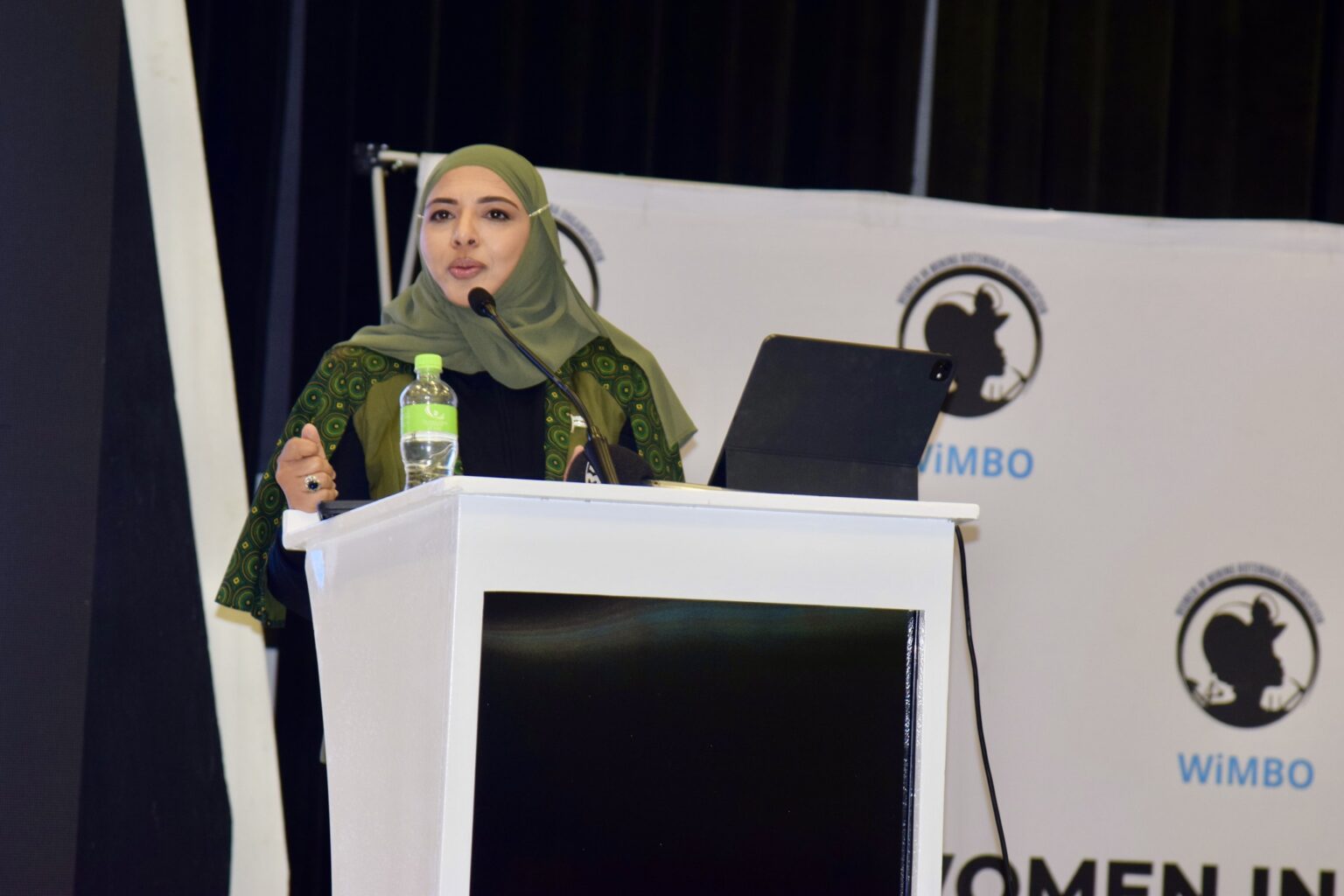
The Ministry of Minerals and Energy in Botswana has reaffirmed its strong commitment to ensuring that women play a central role in the country’s mining sector and broader economic transformation agenda. The message was delivered by the Director of Minerals Affairs Division, Mr Hosiiah Chimbombi, on behalf of the Minister of Minerals and Energy, Honorable Bogolo J. Kenewendo, during the Women in Mining Botswana Organisation (WiMBO) Pitso held in Gaborone. The event was held under the theme “Unearthing Excellence: Women in Mining Transforming the Mining Value Chain,” which focused on expanding opportunities for women across all levels of the industry. The government used the platform to reinforce its long-term vision of inclusive participation in mining and energy sectors. This commitment reflects growing recognition that gender inclusion is essential for sustainable economic development.
The Ministry emphasized that women must be fully integrated into the mining value chain, not only as employees but also as leaders, innovators and decision-makers. According to Mr Chimbombi, government policy is increasingly focused on enabling environments that allow women to thrive in traditionally male-dominated industries. This includes improving access to technical and professional skills development programs that prepare women for a wide range of roles in mining. Financial inclusion was also highlighted as a key priority, with efforts underway to improve access to funding and investment opportunities for women-led enterprises. Stronger support systems are expected to help women participate more actively in exploration, production and mining services.
Another key area of focus is the strengthening of data systems and institutional frameworks that support gender-responsive planning in the sector. Reliable data is seen as essential for tracking progress and identifying gaps in women’s participation across mining and energy value chains. The Ministry also stressed the importance of collaboration between government, private sector players and industry associations such as Women in Mining Botswana Organisation. Through such partnerships, stakeholders can develop targeted initiatives that address barriers faced by women in the sector. These efforts are aimed at building a more balanced and competitive industry that reflects the diversity of Botswana’s population.
Mr Chimbombi further highlighted that women are not merely participants in the mining sector but are key drivers of innovation, accountability and sustainable growth. He noted that empowering women should be viewed as both a fairness issue and a strategic economic decision. By increasing women’s participation, the sector can benefit from a broader range of perspectives, improved decision-making and enhanced productivity. The government believes that inclusive participation strengthens the resilience of the mining industry, particularly in a rapidly evolving global economy. This perspective aligns with national development goals that prioritize diversification and equitable growth.
The Pitso also emphasized the importance of mentorship and networking among women working in mining and energy. Mr Chimbombi encouraged experienced professionals to mentor younger colleagues entering the sector. This approach is expected to help build confidence, transfer knowledge and strengthen career development pathways for women. Leadership development was also identified as a critical factor in ensuring long-term progress. By creating strong professional networks, women can better position themselves to take on senior roles within the industry.
WiMBO, the host organization of the event, continues to play a key role in promoting gender equality within mining and energy sectors in Botswana. As a non-profit organisation, it brings together professionals, industry leaders and policymakers to advance inclusive growth. Its annual Pitso serves as a platform for dialogue, knowledge sharing and policy engagement aimed at improving women’s participation. The organization’s work supports national efforts to build a more inclusive and competitive mining industry. It also contributes to broader conversations about economic transformation and sustainable development.
The government’s renewed commitment signals a shift toward a more inclusive mining sector that recognizes the value of diversity in driving economic progress. By supporting women through policy reforms, skills development and stronger institutional support, Botswana aims to unlock new opportunities for growth. The emphasis on inclusion reflects a broader understanding that sustainable development requires full participation from all segments of society. As these initiatives continue to expand, the mining sector is expected to become more innovative, resilient and socially inclusive. The message from the Ministry underscores a clear direction toward a future where women play a central role in shaping Botswana’s mining and economic landscape.