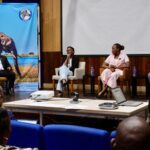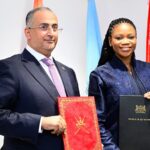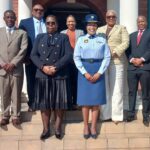
A major step forward for the creative sector is underway following the official opening of a three-day workshop held at Cresta Lodge. The event brings together leaders, policymakers and creatives from Botswana and Namibia with a shared focus on building stronger creative industries. The central theme, Promoting Social Inclusion through the Creative Economy, sets a clear direction for practical change rather than discussion alone. The workshop highlights the growing recognition that creativity can support long term economic growth when properly structured. It also reflects a regional commitment to ensure that opportunities in the sector reach a wider and more diverse group of people. The discussions aim to move beyond policy statements and into measurable action that supports livelihoods.
The gathering focuses on building a resilient and inclusive ecosystem that allows creative talent to generate sustainable income. Participants are examining how creative industries can better support youth, older persons, people with disabilities and indigenous communities. The approach is grounded in the idea that access and participation must be expanded if the sector is to grow fairly. A strong emphasis is placed on turning creative passion into structured economic opportunity through better systems and support. The workshop also encourages cross-border collaboration between Botswana and Namibia to strengthen shared regional goals. This collaboration is expected to support knowledge exchange and practical solutions that can be implemented at scale.
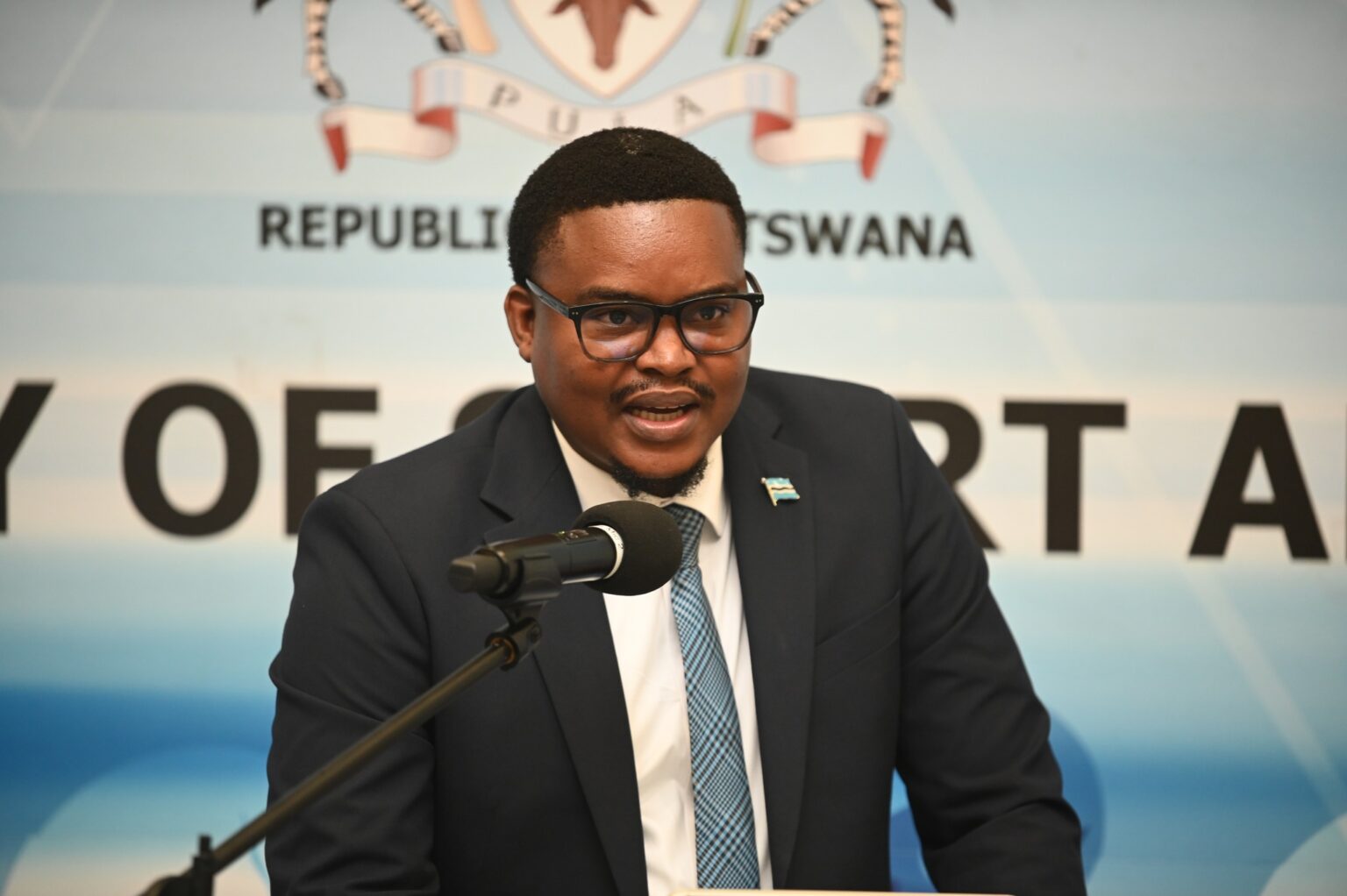
Delivering the keynote address, Jacob Kelebeng highlighted key developments in Botswana’s creative sector. He pointed to the establishment of the new National Arts Council as a major milestone in building institutional support for creatives. He also emphasized the upcoming Digital Creative Content Hub, which is designed to improve income opportunities and strengthen digital participation. His message focused on the need to turn policy progress into real benefits for working creatives across the country. He stressed that structured support systems are essential if the sector is to grow sustainably. His remarks positioned the creative economy as a serious driver of national development.
Policy and skills development also formed a major part of the discussion. Nancy Neo Chengeta emphasized that talent alone is not enough in a global creative market. She explained that creatives need business knowledge and digital tools to compete effectively and scale their work. Her perspective highlighted gaps in access to training and infrastructure that still limit growth in many areas. She reinforced the importance of equipping creatives with practical skills that support income generation. Her contribution underlined the need for stronger investment in capacity building and digital readiness.
Regional and international perspectives added depth to the discussions at the workshop. Isabel Katjavivi shared Namibia’s approach to integrating the creative sector into national development planning. She explained how creativity is being treated as an economic asset rather than a secondary industry. Her input showed how policy alignment can elevate the role of creatives in national growth strategies. Muthengi Kimanzi framed the creative economy as an economy of participation, where inclusion is central to success. This perspective reinforced the importance of ensuring that all groups have a meaningful role in shaping and benefiting from the sector.
The three-day workshop running from 2 to 4 June 2026 is expected to produce practical outcomes that can guide future development of the creative economy in both countries. Participants are reviewing current policy environments and identifying barriers such as limited financing, uneven digital access and weak worker protections. The goal is to develop clear action plans that can be implemented across different sectors of the creative industry. These plans are intended to support stronger collaboration between governments, private sector actors and creative communities. The workshop also aims to create a scalable model that can support regional cooperation and global engagement. The focus remains on turning ideas into structured frameworks that deliver real economic and social impact.