
The death of Retshepile “Tshepi” Tshedu is set for open judicial examination after the Office of the Director of Public Prosecutions (DPP) directed that an open inquest be held. The development places the matter under formal court scrutiny and marks a key shift in a case that has attracted public attention and growing calls for clarity. Authorities confirmed that the decision follows a full review of the investigative file submitted for independent legal assessment. The case will now proceed to the magistrate’s court for a structured judicial process. The move signals a transition from police investigation to open court examination.
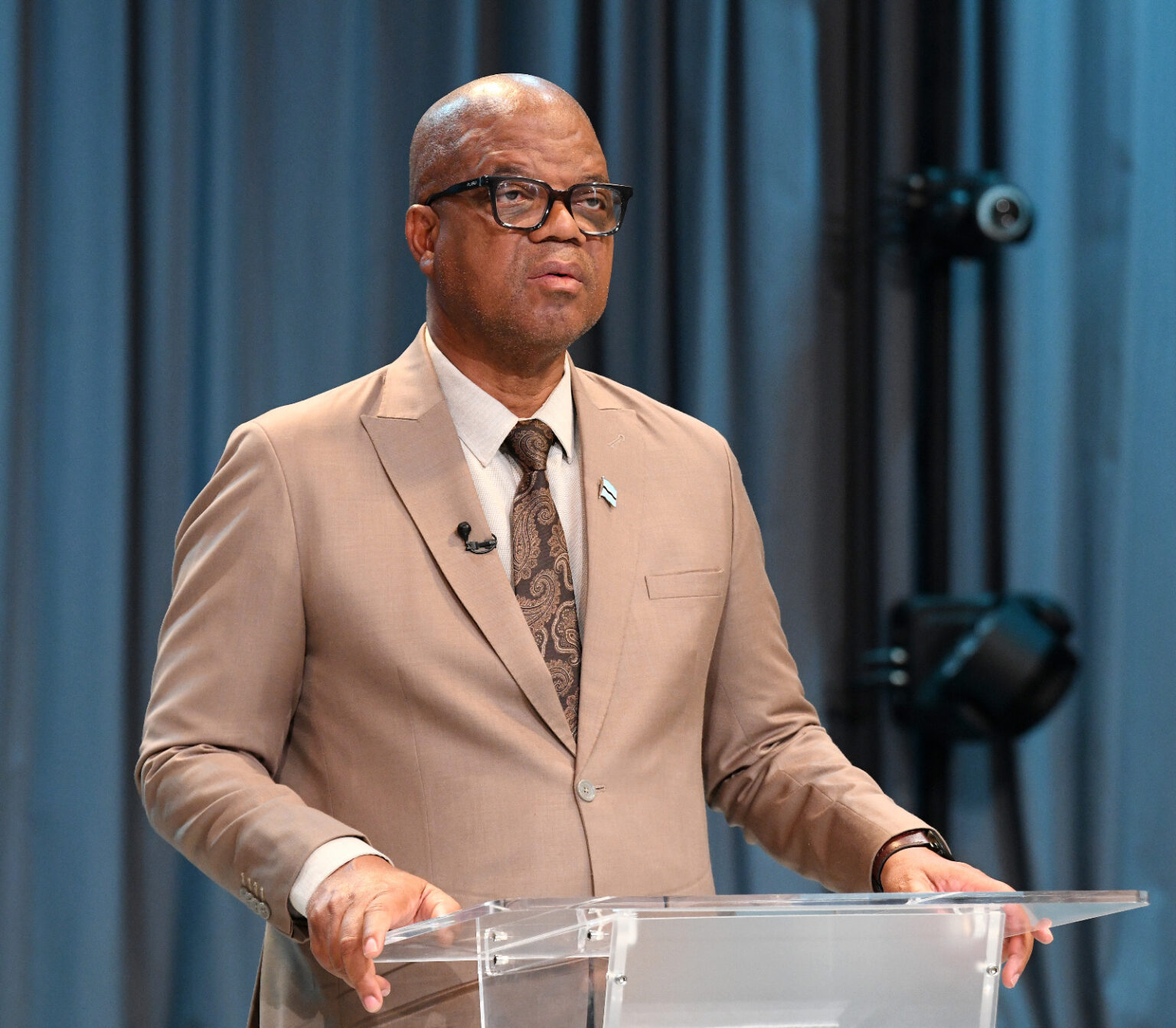
Minister for State President, Defence and Security, Mr Moeti Mohwasa, addressed the nation in Gaborone on Tuesday and confirmed the DPP’s directive. Mr Moeti Mohwasa stated that the investigative file had undergone an extensive and meticulous legal evaluation before the decision was made. He explained that the DPP concluded the matter should proceed to an open inquest to ensure full transparency and proper judicial review. According to Mr Moeti Mohwasa, the decision takes immediate effect with the formal registration of the case at the magistrate’s court. His briefing placed emphasis on the legal integrity of the process and the need for public accountability in such matters.
The open inquest will allow an independent magistrate to examine all evidence connected to the death of Tshedu. The court will determine whether the evidence establishes a prima facie case against any person linked to the matter. It will also assess whether the facts presented justify recommending criminal charges. This stage of proceedings ensures that conclusions are tested in a public judicial setting rather than relying only on investigative findings. The process is designed to provide a clearer legal determination based on all available material.
Mr Moeti Mohwasa highlighted that the decision to hold an open inquest is aimed at strengthening transparency and reinforcing confidence in the justice system. He confirmed that the proceedings will be open to the public, allowing citizens to follow the process directly. This openness is intended to improve trust in how sensitive cases are handled by the justice system. It also allows individuals with relevant information to present evidence before the court. The approach is intended to ensure that the process is inclusive and accountable.
The minister further explained that the inquest will function as a formal legal platform where new or existing evidence can be reviewed. Members of the public, witnesses and other relevant parties will be allowed to submit information that may assist the court. Mr Moeti Mohwasa noted that this stage is critical in ensuring that all relevant facts are considered before any final legal conclusions are reached. The process also supports a fair and comprehensive evaluation of the circumstances surrounding the case. It ensures that the judicial outcome is based on tested and complete information.
As the matter moves into the judicial phase, Mr Moeti Mohwasa confirmed that the government will provide regular administrative updates on the progress of the inquest. This is intended to maintain transparency as the case proceeds through the court system. The open inquest into the death of Retshepile “Tshepi” Tshedu is expected to provide clarity on the circumstances surrounding the case. It also reinforces the role of the courts in independently assessing complex and sensitive matters. The process now shifts fully into judicial hands, where evidence will be examined in open proceedings.