
Botswana is taking a major step toward building a stronger and more reliable rooftop solar industry through a national training initiative led by the Department of Energy under the Ministry of Minerals and Energy. The programme is supported by the European Union-funded ASPIRE Programme and implemented through GREEN Solar Academy, a Botswana Qualifications Authority accredited institution. The initiative focuses on improving technical skills, strengthening compliance systems, and raising overall industry standards in renewable energy. It comes at a time when demand for clean and affordable energy solutions continues to grow across both residential and commercial sectors. The government aims to ensure that solar energy adoption is safe, efficient, and professionally managed across the country.
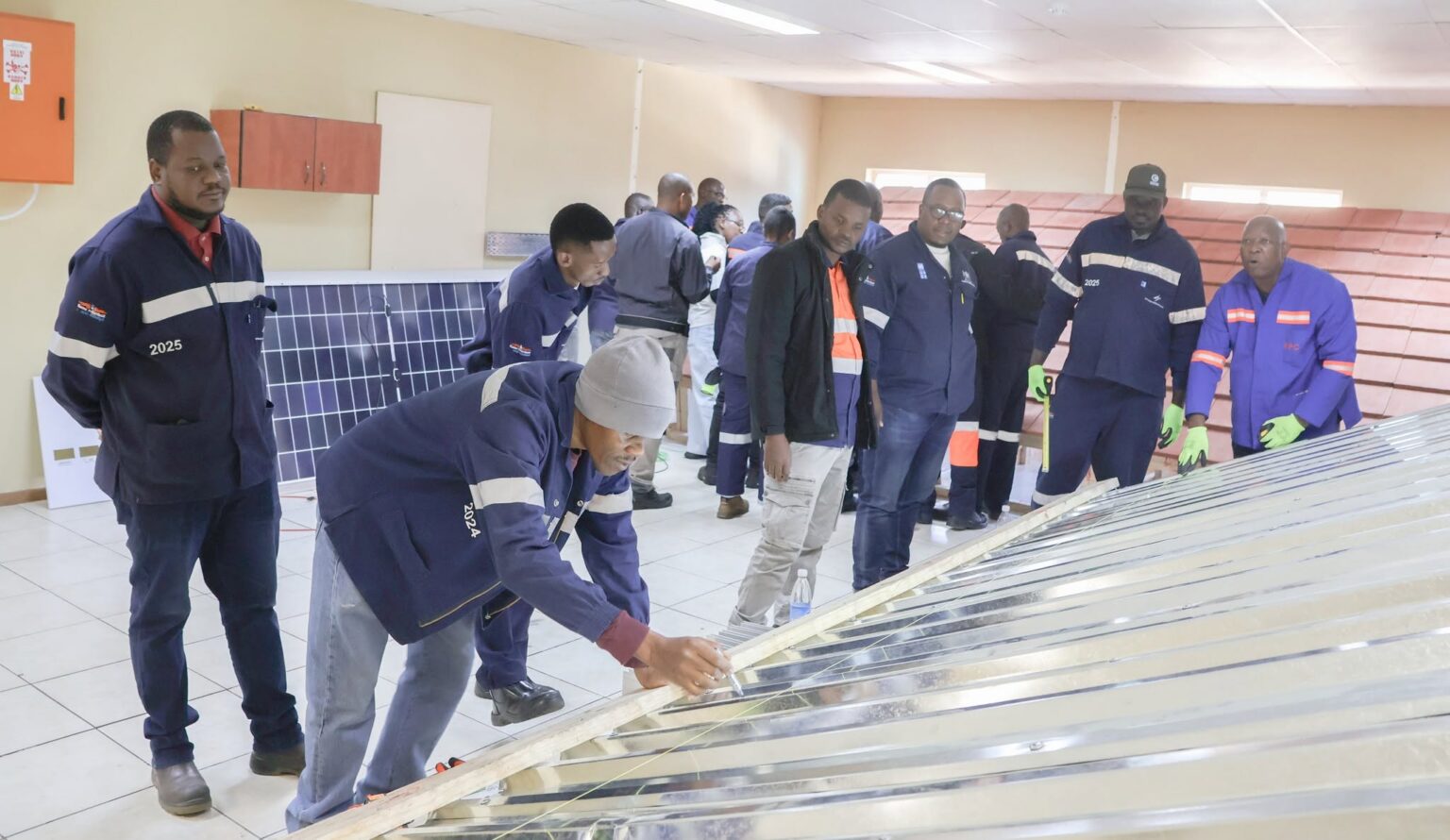
Last week, the Ministry hosted a five-day Training of Trainers programme that brought together representatives from key institutions involved in Botswana’s energy ecosystem. These included the Botswana Power Corporation, Botswana Energy Regulatory Authority, Department of Energy, Botswana Bureau of Standards, Department of Technical and Vocational Education and Training, and the Solar Industry Association of Botswana. Participants received structured classroom instruction combined with practical hands-on training focused on rooftop solar technologies. The programme aimed to build a core group of experts who can train others and expand national capacity in the renewable energy sector. This approach is designed to create long-term sustainability in skills development rather than relying on external expertise.
A central focus of the initiative is the creation of a structured accreditation system for the solar industry. This includes plans to introduce a PV Green Card certification system that will formally recognize qualified solar practitioners. A national database of certified installers and technicians is also being developed to improve transparency and accountability in the sector. These measures are expected to reduce the risks associated with poor installations and substandard equipment. They will also help customers identify verified professionals, improving trust in the growing solar market. By setting clear standards, Botswana aims to build a more disciplined and reliable renewable energy workforce.
Another key component of the broader programme is a capacity-building workshop scheduled from 15 to 19 June 2026, which will focus on training inspectors of rooftop solar systems. These inspectors will be responsible for ensuring that installations meet required technical, safety, and quality standards. Their role is essential in maintaining compliance across the industry and preventing system failures caused by poor workmanship. They will also help enforce regulations that protect consumers and ensure long-term system performance. By strengthening inspection capacity, Botswana is reinforcing the safety and credibility of its renewable energy expansion.
The rooftop solar programme itself allows Botswana Power Corporation domestic and commercial customers to install solar systems for their own electricity generation. Customers can also sell excess power back to BPC, creating a more interactive and flexible energy system. The programme is designed to increase the use of clean and reliable energy while reducing dependence on imported electricity. It also supports national energy security by diversifying energy sources and lowering pressure on the national grid. For households and businesses, it offers an opportunity to reduce electricity costs while contributing to environmental sustainability.
The benefits of the programme extend beyond energy supply and cost savings. It is also expected to stimulate local job creation by developing a skilled workforce in solar installation, maintenance, and inspection. Small and medium enterprises are likely to benefit from increased demand for solar services and equipment. Communities across Botswana will gain greater access to clean energy solutions that are both affordable and sustainable. The initiative also positions the country as a growing player in the regional renewable energy transition.
Botswana’s investment in training, certification, and regulatory systems reflects a long-term strategy to build a professional and trustworthy solar industry. By combining technical education with strong oversight mechanisms, the country is laying the foundation for a more resilient energy future. The collaboration between government institutions, regulatory bodies, training providers, and industry stakeholders ensures that progress is coordinated and inclusive. As the rooftop solar programme expands, it is expected to play a central role in advancing Botswana’s clean energy goals. The continued focus on skills development and quality assurance will help secure a stable and sustainable energy future for the country.