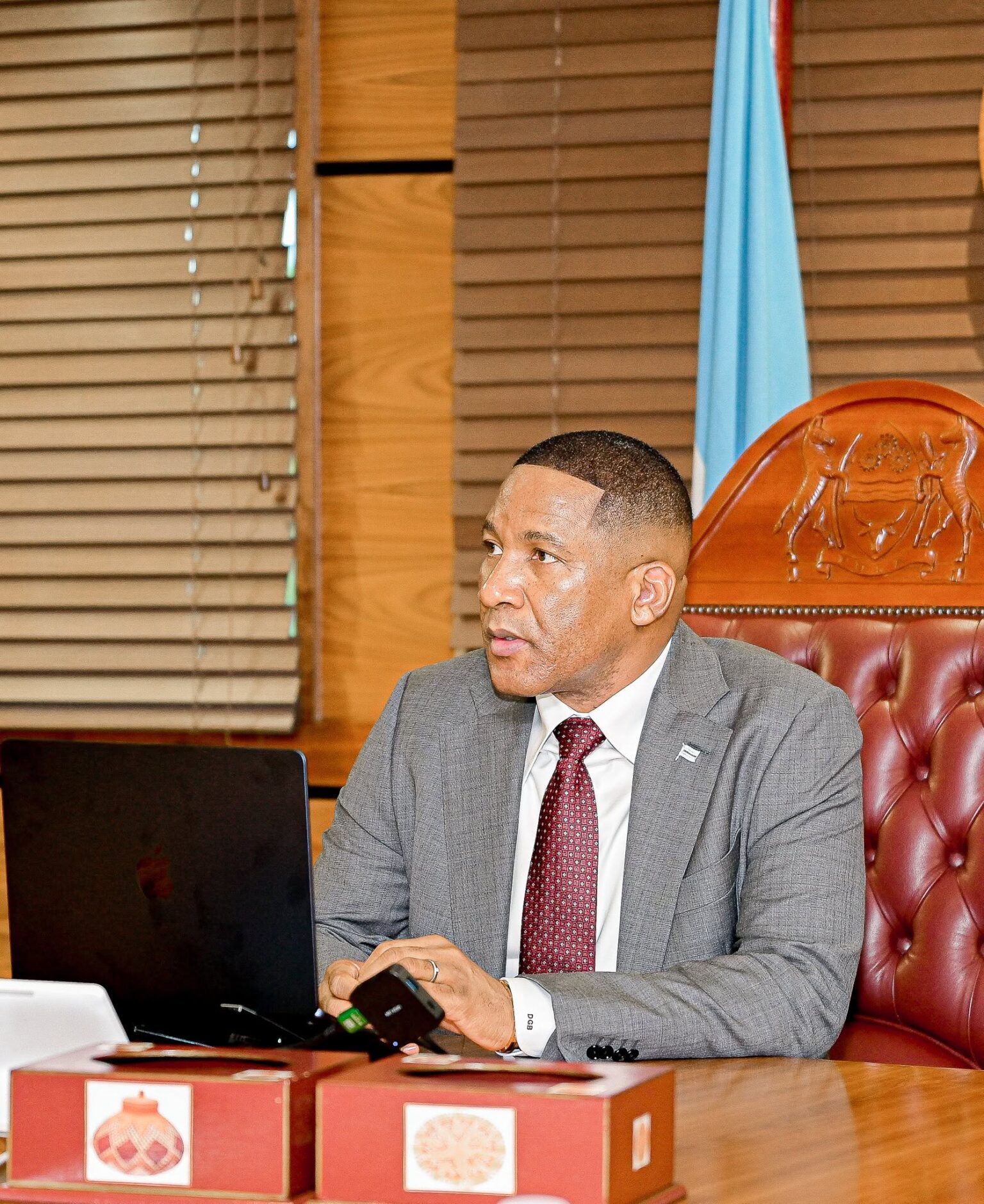
President Advocate Duma Gideon Boko has reaffirmed Botswana’s unwavering solidarity with the Democratic Republic of the Congo and Uganda as both countries continue to respond to the ongoing Ebola outbreak. His remarks came during the Virtual High-Level Meeting of African Heads of State and Government on Ebola, where leaders gathered to discuss the current situation and strengthen continental efforts to prevent the spread of the disease. The meeting highlighted the importance of cooperation among African nations and international health organizations in addressing one of the continent’s most serious public health challenges. President Boko’s participation underscored Botswana’s commitment to supporting regional and continental health security initiatives. His message reflected the need for unity, preparedness and coordinated action in the face of health emergencies that have the potential to affect millions of people across borders.
During his address, President Boko commended the collective efforts of the African Union, the Africa Centres for Disease Control and Prevention (Africa CDC), the World Health Organization (WHO), and other international and regional partners involved in combating the outbreak. He acknowledged the critical role these organizations have played in coordinating response strategies, mobilizing resources and supporting affected countries. The President emphasized that the progress made in containing the disease has been made possible through collaboration and the sharing of expertise among governments, healthcare institutions and development partners. He noted that coordinated responses remain essential in preventing further transmission and ensuring that affected communities receive the necessary support. His remarks highlighted the importance of maintaining strong partnerships to strengthen Africa’s ability to respond effectively to future health crises.
President Boko stressed that infectious diseases do not recognize national boundaries, making regional and international cooperation more important than ever. He called on African countries and global partners to intensify collaboration, accelerate resource mobilization efforts and provide greater support to frontline healthcare workers who continue to play a crucial role in outbreak response. According to the President, health workers are often the first line of defense during public health emergencies and require adequate resources, training and protection to carry out their duties effectively. He also emphasized the importance of supporting communities directly affected by Ebola, noting that community engagement and public awareness remain key components of disease prevention and control. By strengthening cooperation and ensuring timely assistance, countries can improve their capacity to contain outbreaks before they escalate into wider public health emergencies.
A significant part of President Boko’s address focused on Botswana’s contribution to regional health security. He highlighted the work of the Botswana Public Health Institute, which has become an important institution in strengthening disease surveillance, information sharing and preparedness efforts within the Southern African Development Community (SADC) region. Through laboratory collaboration and coordinated monitoring systems, Botswana continues to support efforts aimed at identifying and responding to potential health threats at an early stage. The President noted that strong surveillance mechanisms are essential in detecting outbreaks quickly and limiting their spread. He reiterated Botswana’s readiness to work closely with neighboring countries and regional partners to ensure that public health systems remain vigilant and responsive.
President Boko also called for evidence-based approaches when implementing travel and trade measures during health emergencies. He emphasized that decisions affecting movement and commerce should be guided by scientific evidence and public health expertise rather than fear or misinformation. Such measures, he argued, help protect public health while minimizing unnecessary economic disruptions that can negatively impact livelihoods and regional development. The President further stressed the importance of accountability in ensuring that commitments made by governments and international partners are translated into meaningful action. He urged stakeholders to follow through on pledges and maintain a consistent focus on strengthening health systems across the continent.
In addition, President Boko advocated for sustained investment in Africa’s public health infrastructure. He pointed out that while emergency responses are essential during outbreaks, long-term solutions require stronger healthcare systems, improved laboratory capacity, enhanced disease surveillance networks and better-trained healthcare professionals. Investing in these areas can help African countries prepare for future health threats while improving overall healthcare outcomes for their populations. The President’s remarks reflected a broader vision of building resilient health systems capable of responding effectively to both current and emerging challenges. He emphasized that preparedness should remain a priority even when immediate health crises subside.
President Boko concluded by reaffirming Botswana’s commitment to working alongside fellow African nations, regional institutions and international partners to safeguard the health and wellbeing of the continent’s people. His message highlighted the importance of solidarity, shared responsibility and collective action in addressing public health threats such as Ebola. As countries continue their efforts to contain the outbreak and protect vulnerable communities, Botswana remains committed to supporting initiatives that strengthen regional cooperation and health security. The President’s call for greater collaboration, accountability and investment serves as a reminder that effective public health responses depend on coordinated efforts at every level. Through continued partnership and commitment, African nations can strengthen their ability to prevent, detect and respond to health emergencies while protecting the lives and wellbeing of their citizens.