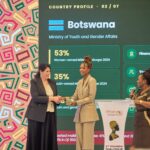
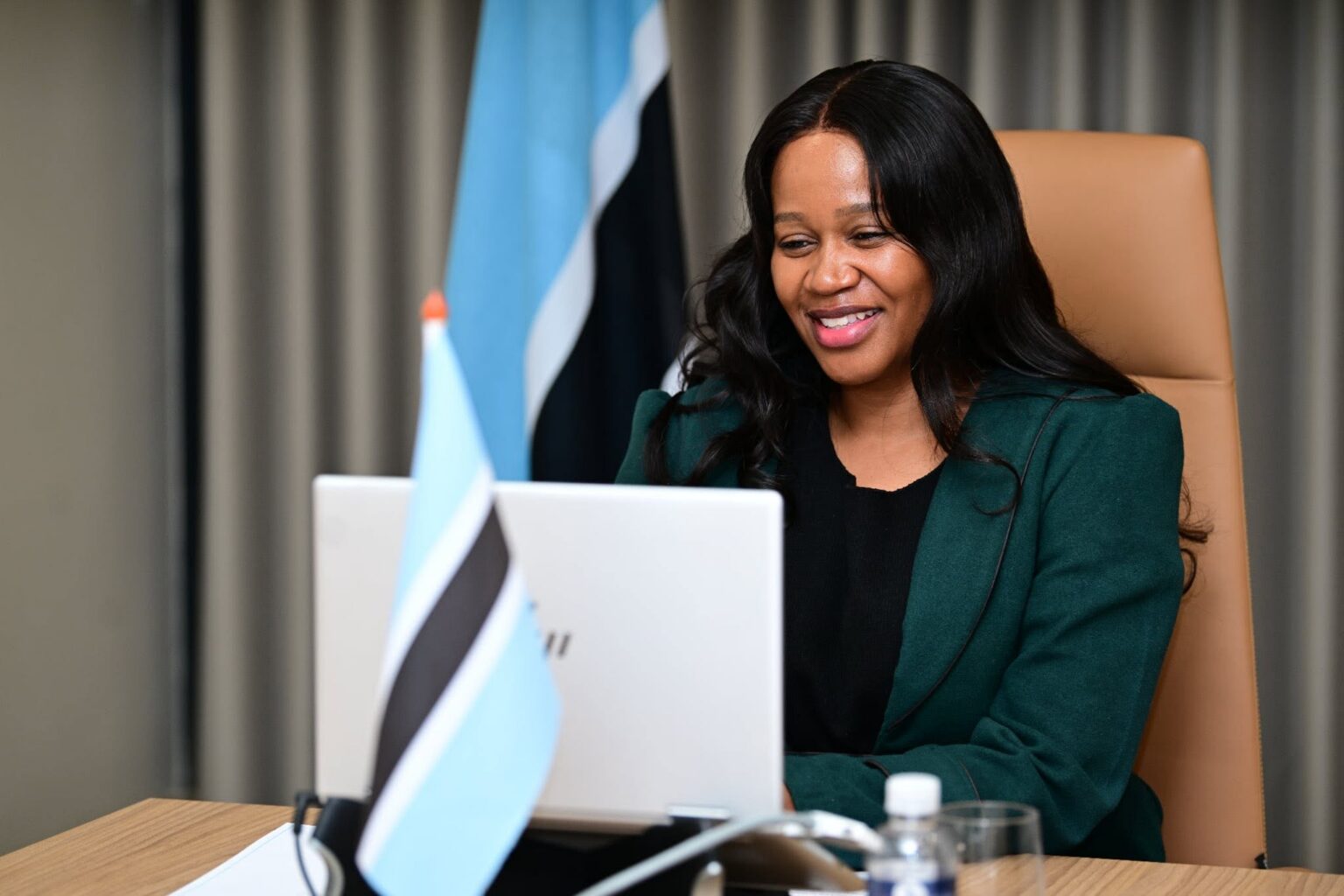
On 18 June 2026, Botswana’s First Lady, Kaone Boko, joined fellow First Ladies from Africa and Asia, representatives of Merck Foundation and other key stakeholders during the virtual 13th Edition of the Merck Foundation Africa Asia Luminary 2026. The event provided an important platform for leaders and development partners to discuss progress, share experiences and identify new opportunities for collaboration. During the gathering, Kaone Boko highlighted the significant achievements that have emerged from the partnership between Merck Foundation and Botswana’s MPEPU Programme. Her presentation showcased how strategic partnerships can deliver meaningful results in education, healthcare and child development. The discussions also reinforced the importance of continued cooperation to address some of the most pressing challenges affecting children, families and communities across Africa and Asia.
The MPEPU Programme remains committed to improving the lives of children through its two key service pillars, Early Childhood Development (ECD) and Child Protection. These pillars focus on ensuring that children enjoy their rights, receive adequate protection and have access to opportunities that support their growth and development. Through its initiatives, the programme seeks to create an environment where every child can thrive regardless of their background or circumstances. A strong emphasis is placed on inclusion, ensuring that vulnerable and marginalized children receive the support they need. This commitment aligns closely with broader national and international goals aimed at promoting child welfare and sustainable development.
One of the notable achievements highlighted during the Luminary was the support provided to the Central Resource Centre for Special Education (CRC). Under the disability inclusion priority of the MPEPU Early Childhood Development pillar, Merck Foundation assisted in supplying specialized psychometric and diagnostic assessment tools to the institution. These resources are expected to strengthen early assessment and intervention services for children with diverse learning and developmental needs. Early identification of challenges is essential in ensuring that children receive timely support and appropriate educational interventions. By enhancing the capacity of the CRC, the partnership contributes to creating a more inclusive education system where all children can access quality learning opportunities.
The collaboration has also made a meaningful impact in the area of education through scholarship support for young girls from disadvantaged backgrounds. Merck Foundation will continue providing scholarships for 20 high-performing girls who face financial barriers that could potentially disrupt their education. Beyond tuition support, the initiative includes essential material assistance that helps learners remain focused on their studies. Access to education remains one of the most effective tools for breaking cycles of poverty and creating opportunities for future success. By investing in these young women, the partnership is helping to nurture future leaders who can contribute positively to their communities and the nation’s development.
Healthcare capacity building has emerged as another major area of success within the partnership. To date, Merck Foundation has facilitated 58 health scholarships in critical and underserved medical specialties. Among these are 13 scholarships specifically focused on fertility and reproductive care, areas that play a crucial role in maternal and infant health outcomes. Developing highly trained healthcare professionals strengthens national healthcare systems and improves access to specialized medical services. As more experts enter these fields, communities can benefit from improved healthcare delivery, better patient outcomes and enhanced medical expertise across the country.
The investment in healthcare training directly supports the Maternal and Infant Care priority of the MPEPU Programme. Maternal and infant health remains a critical area of focus for many African nations as they work to reduce mortality rates and improve healthcare access. By building a network of specialists in fertility and reproductive health, Botswana is creating a stronger foundation for addressing complex healthcare challenges. These professionals can provide advanced care, support medical research and contribute to the development of effective healthcare policies. Their expertise will help ensure that more mothers and infants receive the quality care they need throughout pregnancy, childbirth and beyond.
The 13th Edition of the Merck Foundation Africa Asia Luminary demonstrated the value of international partnerships in driving social progress and sustainable development. Through collaboration, organizations and leaders can pool resources, share knowledge and implement innovative solutions that benefit communities. The achievements presented by Kaone Boko reflect the positive impact that focused investments in education, healthcare and child development can have on society. The ongoing support for children with disabilities, disadvantaged girls and healthcare professionals illustrates a comprehensive approach to development that addresses multiple areas of need. As Botswana and Merck Foundation continue to strengthen their relationship, there is strong potential for even greater achievements in the years ahead. The partnership stands as a powerful example of how collaboration can transform lives, expand opportunities and help children reach their full potential while enabling them to pursue their dreams with confidence and hope.