The Botswana Police Service (BPS) is preparing to expand its presence across the country with the completion of 28 newly constructed police stations scheduled for next month. While the development is expected to improve access to policing services and strengthen public safety, it has also exposed a significant staffing challenge within the police service. Senior officials have acknowledged that the lack of adequate personnel threatens the smooth operationalisation of the new facilities. The situation highlights the growing pressure on law enforcement agencies as they work to meet the security needs of expanding communities. As Botswana continues investing in public infrastructure, ensuring that these facilities are fully staffed has become an urgent priority.
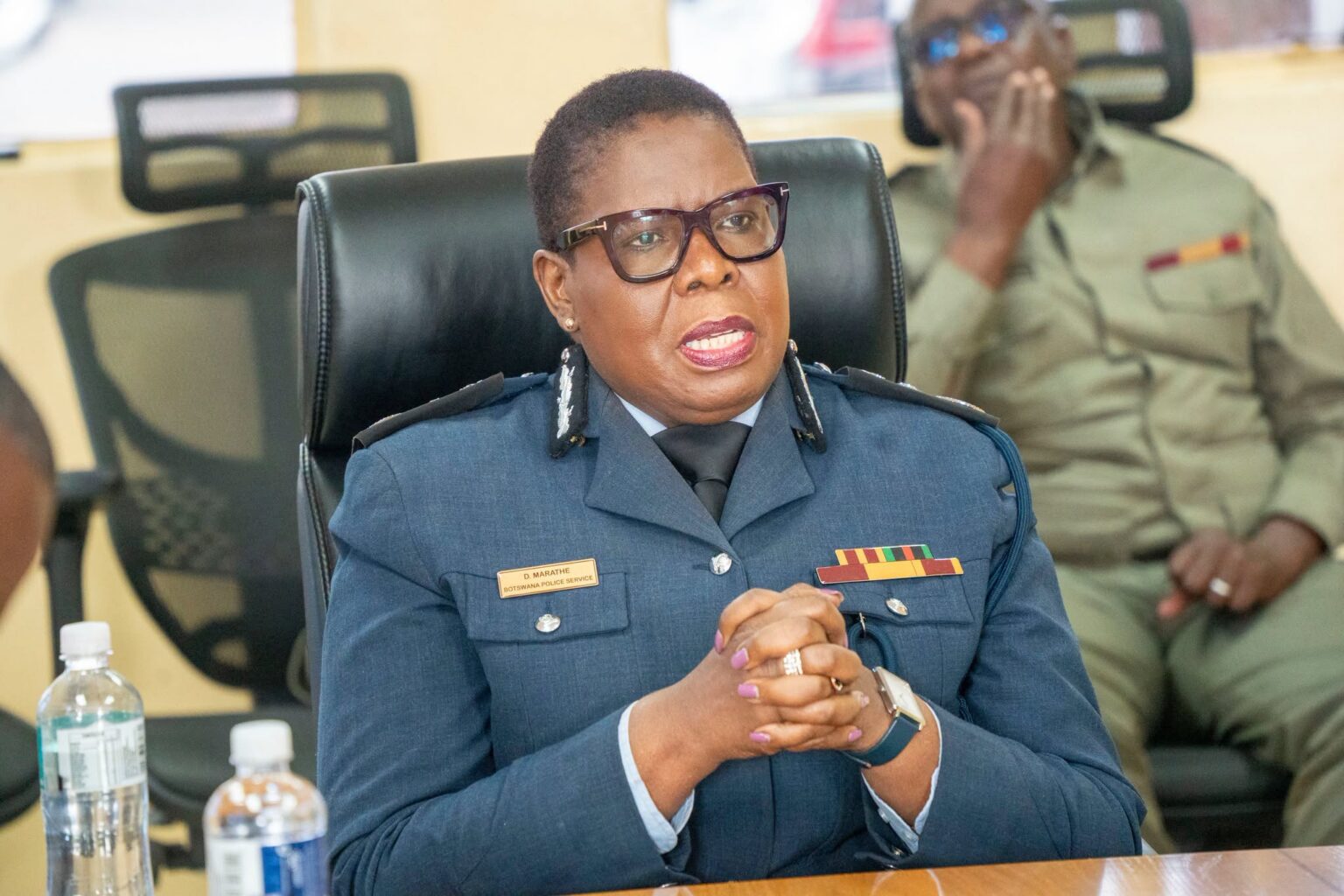
The staffing concerns were brought to light when Police Commissioner Dinah Marathe appeared before the 62nd Public Accounts Committee (PAC). During her presentation, Commissioner Marathe explained that although the construction of the new police stations represents an important achievement, the Botswana Police Service currently does not have enough officers to effectively operate all of them. She noted that opening the stations without sufficient personnel would create additional operational difficulties for the service. According to Marathe, the shortage of officers remains one of the biggest challenges facing the police as they seek to expand their presence across the country. Her remarks provided lawmakers with a clearer picture of the practical challenges that accompany infrastructure expansion.
Commissioner Marathe explained that the operationalisation of the new police stations will require the Botswana Police Service to redeploy officers from existing stations in order to ensure that each new facility has at least a basic level of staffing. However, she pointed out that many existing police stations are already operating with limited personnel, making it difficult to transfer officers without affecting current operations. Redeploying staff may temporarily address immediate needs at the new stations, but it also risks placing additional strain on stations that are already struggling to meet public demand. This balancing act presents a complex challenge for police leadership as they work to distribute available resources fairly. The situation demonstrates that expanding physical infrastructure must be matched with adequate investment in human resources.
The completion of the 28 police stations is expected to bring important benefits to communities across Botswana. New police facilities can improve response times, increase police visibility and make law enforcement services more accessible to residents in previously underserved areas. Modern stations also provide improved working environments for officers while strengthening the government’s ability to maintain law and order. Communities that have waited years for closer policing services are likely to welcome the opening of the new facilities. However, these benefits can only be fully realised if there are enough trained officers to provide continuous and effective policing services.
The manpower shortage facing the Botswana Police Service reflects a broader challenge experienced by many public institutions that must balance infrastructure development with workforce capacity. Recruiting, training and deploying police officers requires significant financial resources and careful long term planning. Police officers undergo extensive training before they can perform their duties effectively, meaning that staffing shortages cannot be resolved immediately. As a result, expanding the number of police stations without a corresponding increase in personnel can create operational difficulties despite the availability of new buildings. Commissioner Marathe’s remarks underscore the importance of aligning recruitment strategies with future infrastructure projects.
The issue also raises important questions about long term planning for Botswana’s security sector. As the country’s population grows and urban areas continue to expand, demand for policing services is expected to increase. Meeting these demands will require sustained investment not only in police infrastructure but also in recruitment, professional development and retention of qualified officers. Adequate staffing levels are essential for maintaining public confidence, ensuring officer wellbeing and delivering effective crime prevention and investigation services. Strategic workforce planning will therefore remain a critical component of the Botswana Police Service’s future development.
The Botswana Police Service’s planned expansion through the opening of 28 new police stations represents an important step toward improving public safety and extending policing services to more communities. At the same time, Commissioner Dinah Marathe’s testimony before the Public Accounts Committee has highlighted the serious manpower challenges that could limit the effectiveness of this expansion. Redeploying officers from already understaffed stations may provide a temporary solution, but it also places additional pressure on existing operations. Addressing the shortage of personnel will be essential if the new facilities are to deliver the intended improvements in policing and community safety. As Botswana moves forward with this major investment in law enforcement infrastructure, strengthening the police workforce will be just as important as completing the buildings themselves.