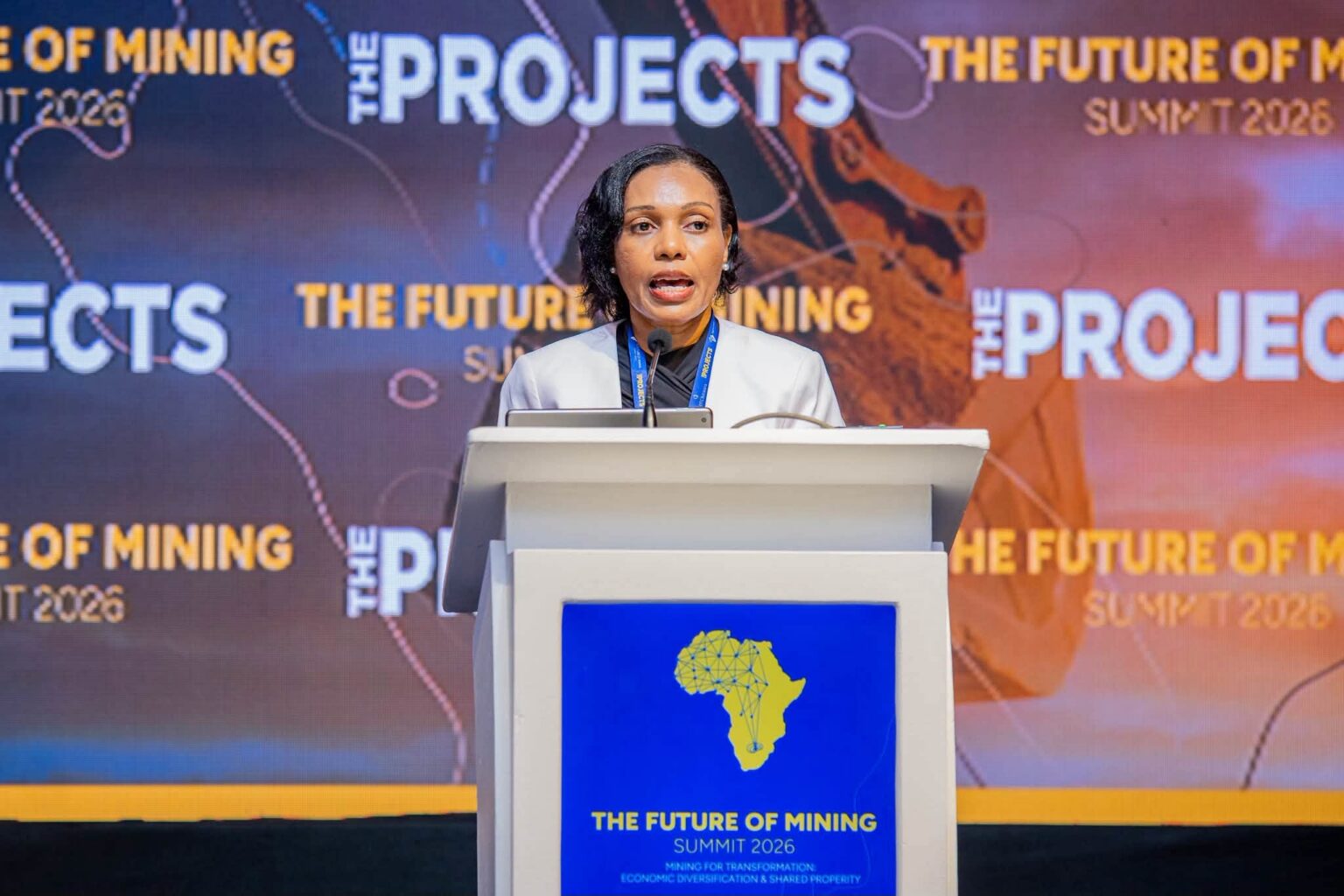
Communities located near mining operations must continue to benefit economically and socially long after extraction activities come to an end, according to De Beers Group Vice President of Social Impact and Sustainability, Otsile Mabeo. Speaking at the Future of Mining Summit 2026, she stressed that mining companies must rethink how success is measured, shifting focus from short-term production output to long-term community development outcomes. Her message placed strong emphasis on sustainability, responsible investment and shared value creation between mining companies and host communities. She highlighted that the future of mining depends on building systems that outlast the life of a mine and continue to support livelihoods. The address reflected growing global expectations that extractive industries must contribute meaningfully to development beyond resource extraction.
Mabeo argued that a company’s social licence to operate should not be viewed as a simple approval to mine, but as an ongoing responsibility to deliver lasting economic value. She explained that communities judge mining companies not only by what they extract, but by what they leave behind in terms of infrastructure, opportunity and sustainable growth. This perspective places accountability at the centre of mining operations and requires companies to actively contribute to national development priorities. According to her, mining firms must integrate long-term planning into their operational strategies from the earliest stages of development. She noted that failure to do so risks creating economic gaps once mining operations shut down, leaving communities vulnerable. Her remarks reinforced the idea that sustainability is not an optional component of mining, but a core business requirement.
Drawing from De Beers Group’s Building Forever sustainability framework, Mabeo described social investment as a strategic priority rather than a secondary obligation. The framework focuses on creating lasting positive impact through initiatives that support entrepreneurship, economic diversification and sustainable livelihoods. She explained that aligning mining investments with national development goals ensures that communities are better prepared for life after mining operations cease. This approach encourages collaboration between governments, private sector actors and local communities to build resilient economies. By embedding sustainability into business models, mining companies can help reduce dependency on resource extraction alone. Mabeo emphasized that this alignment strengthens both corporate performance and national economic stability.
She also highlighted the significant global impact of the natural diamond industry, noting that although it is relatively small in scale, it supports an estimated 10 million livelihoods worldwide. This figure demonstrates how targeted investments and responsible supply chain practices can generate widespread socio-economic benefits. Mabeo pointed out that the industry’s influence extends far beyond mining sites, reaching families, small businesses and entire communities connected to the value chain. She stressed that such impact is only possible when companies operate through strong partnerships and shared value frameworks. The data underscores the importance of responsible mining practices in maximizing social and economic returns. It also shows how strategic investment can transform a limited natural resource base into broad-based development opportunities.
In her address, Mabeo urged industry stakeholders to strengthen collaboration, especially during periods of global economic uncertainty. She emphasized that no single company or institution can address development challenges alone, particularly in regions dependent on mining activities. Instead, she called for coordinated efforts that align resources, expertise and investments toward common development goals. This includes working closely with governments to identify priority areas such as education, infrastructure, skills development and small business support. She noted that collaboration helps reduce duplication of efforts and ensures that investments have a greater collective impact. According to her, shared responsibility is essential for building resilient communities that can thrive beyond mining operations.
Mabeo concluded with a strong reminder of the evolving role of the mining industry in society, stating that the future will be defined by the value created beyond extraction. She emphasized that success must be measured by the lasting economic and social benefits delivered to communities after mines close. This includes job creation, local enterprise development and sustainable infrastructure that continues to serve communities for generations. Her statement captured a shift in thinking across the global mining sector, where sustainability is becoming central to corporate strategy. The message reinforced the idea that mining companies must plan for life after extraction from the very beginning of their operations. Ultimately, her remarks at the Future of Mining Summit 2026 underscored a clear vision for a more responsible, inclusive and future-focused mining industry.