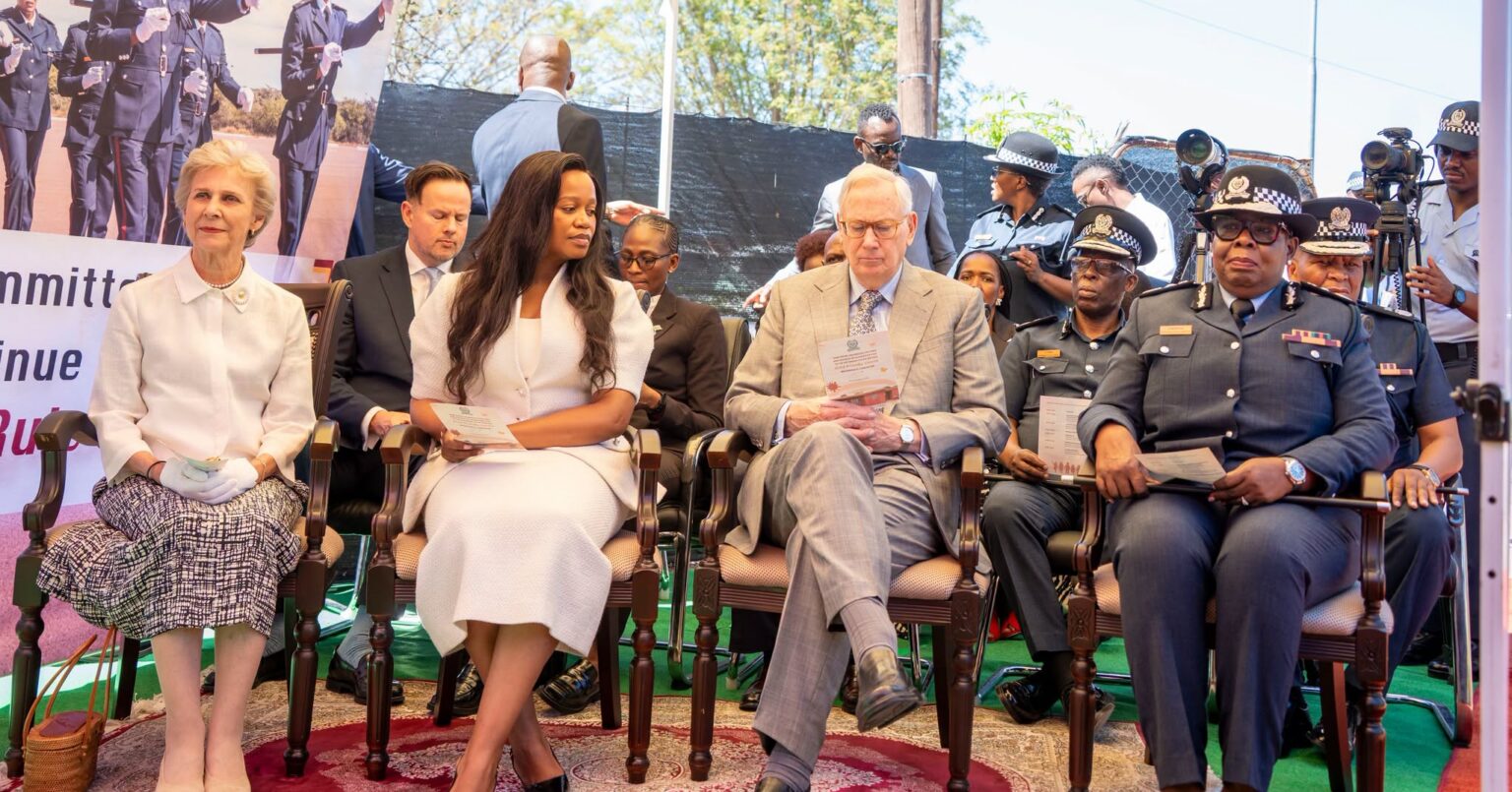
Their Royal Highnesses the Duke and Duchess of Gloucester visited the Child Friendly Centre in Broadhurst, Gaborone, on 7 October 2026 as part of their engagement in Botswana. The visit gave the royal couple an opportunity to learn more about the centre and its role in supporting children involved in the justice process. They were accompanied by the First Lady of the Republic of Botswana, Mrs Kaone Tumalano Boko, Commissioner of Police Commissioner Dinah Marathe and other senior officials. During the visit, the Duke and Duchess received an overview of the facility’s operations and the services it provides. Their engagement highlighted the importance of protecting children and ensuring that young people receive appropriate care and support when they come into contact with the criminal justice system.
The Child Friendly Centre forms an important part of the Botswana Police Service’s approach to handling cases involving minors. During their visit, the Duke and Duchess of Gloucester were briefed on how the Botswana Police Service manages cases involving children and the measures used to protect their welfare. The briefing focused on the need to treat children with care, dignity and sensitivity throughout the justice process. Children who become involved in criminal cases may face difficult and stressful circumstances, particularly when they are victims or witnesses. A child-focused approach can help ensure that their needs are considered while the relevant authorities carry out their responsibilities.
The royal couple also received information about the Standard Operating Procedures used when dealing with children who are involved in criminal cases. These procedures are designed to guide officials in responding appropriately to minors and addressing the particular needs that can arise when children interact with law enforcement. The briefing also covered specialised approaches for children who are victims, witnesses or otherwise involved in criminal matters. Such approaches recognise that children may require different forms of communication and support from adults. The emphasis on appropriate procedures reflects the broader responsibility of the justice system to safeguard children while ensuring that cases are handled properly.
The visit also provided an opportunity for Their Royal Highnesses to appreciate the facilities and understand how the Child Friendly Centre operates. Learning about the centre’s work directly can provide valuable insight into the practical measures used to support children during sensitive cases. The facility serves as part of the Botswana Police Service’s efforts to create an environment where children can receive appropriate attention and protection. This is particularly important because children involved in criminal cases can be vulnerable to fear, confusion and emotional distress. Providing a setting and procedures suited to their needs can help reduce unnecessary pressure while the justice process takes place.
The presence of the First Lady, the Commissioner of Police and other high-ranking officials also underscored the importance of cooperation in protecting children. Child protection requires coordination among law enforcement agencies, government institutions and other stakeholders with responsibilities relating to children’s welfare. Each institution can contribute different forms of expertise and support when a child becomes involved in a criminal case. Effective cooperation can help ensure that children do not face gaps in protection or support as cases move through different stages of the justice process. The visit therefore placed attention not only on the work of the Child Friendly Centre but also on the wider responsibility of institutions to work together in the interests of children.
The Botswana Police Service’s specialised handling of cases involving minors reflects the need to balance law enforcement responsibilities with the protection of children’s rights and welfare. A child who is a victim or witness may already have experienced a distressing situation before approaching the authorities. The way officials communicate with and support that child can influence their experience of the justice process. Clear procedures and trained personnel can help ensure that children receive appropriate treatment while relevant information is gathered and cases are investigated. This approach is important for maintaining both the integrity of investigations and the wellbeing of children involved.
The Child Friendly Centre also demonstrates why specialised facilities can play an important role in child protection. Traditional approaches to law enforcement may not always address the specific emotional and developmental needs of children. A child-friendly environment can provide a more suitable setting for interactions between minors and authorities. It can also support procedures that take account of the vulnerability of children without compromising the proper handling of cases. The centre’s role therefore extends beyond providing a physical facility, as it forms part of a broader approach to improving how children experience the justice system.
The visit by the Duke and Duchess of Gloucester brought further attention to the importance of child protection in Botswana. Their engagement with the Child Friendly Centre allowed them to gain a clearer understanding of the systems used by the Botswana Police Service when dealing with minors. It also provided an opportunity for senior Botswana officials and the royal couple to observe the practical measures put in place to support children. Visits of this nature can help highlight the importance of specialised services and cooperation among institutions responsible for protecting children. They can also reinforce public awareness of the need to treat children involved in criminal cases with dignity and sensitivity.
Protecting children during the justice process requires more than responding to individual cases after they arise. It requires clear procedures, appropriate facilities, trained personnel and cooperation among the institutions involved. The work described at the Child Friendly Centre reflects these requirements by placing attention on how children are treated while cases are being handled. Ensuring that children who are victims, witnesses or otherwise involved in criminal cases receive appropriate support is an important part of a responsible justice system. Continued attention to these areas can help strengthen the protection available to children across Botswana.
The 7 October 2026 visit by the Duke and Duchess of Gloucester to the Child Friendly Centre in Broadhurst highlighted the importance of creating a justice process that responds appropriately to the needs of children. Their engagement provided an opportunity to learn about the centre’s operations and the Botswana Police Service’s procedures for handling cases involving minors. The presence of the First Lady, the Commissioner of Police and other senior officials further demonstrated the importance of collaboration in advancing child protection and welfare. The Child Friendly Centre remains an important component of the Botswana Police Service’s efforts to ensure that children receive care, dignity and appropriate protection when they become involved in criminal cases. Strengthening these systems and maintaining cooperation among key stakeholders will remain essential to ensuring that the rights and welfare of children are protected throughout the justice process.