
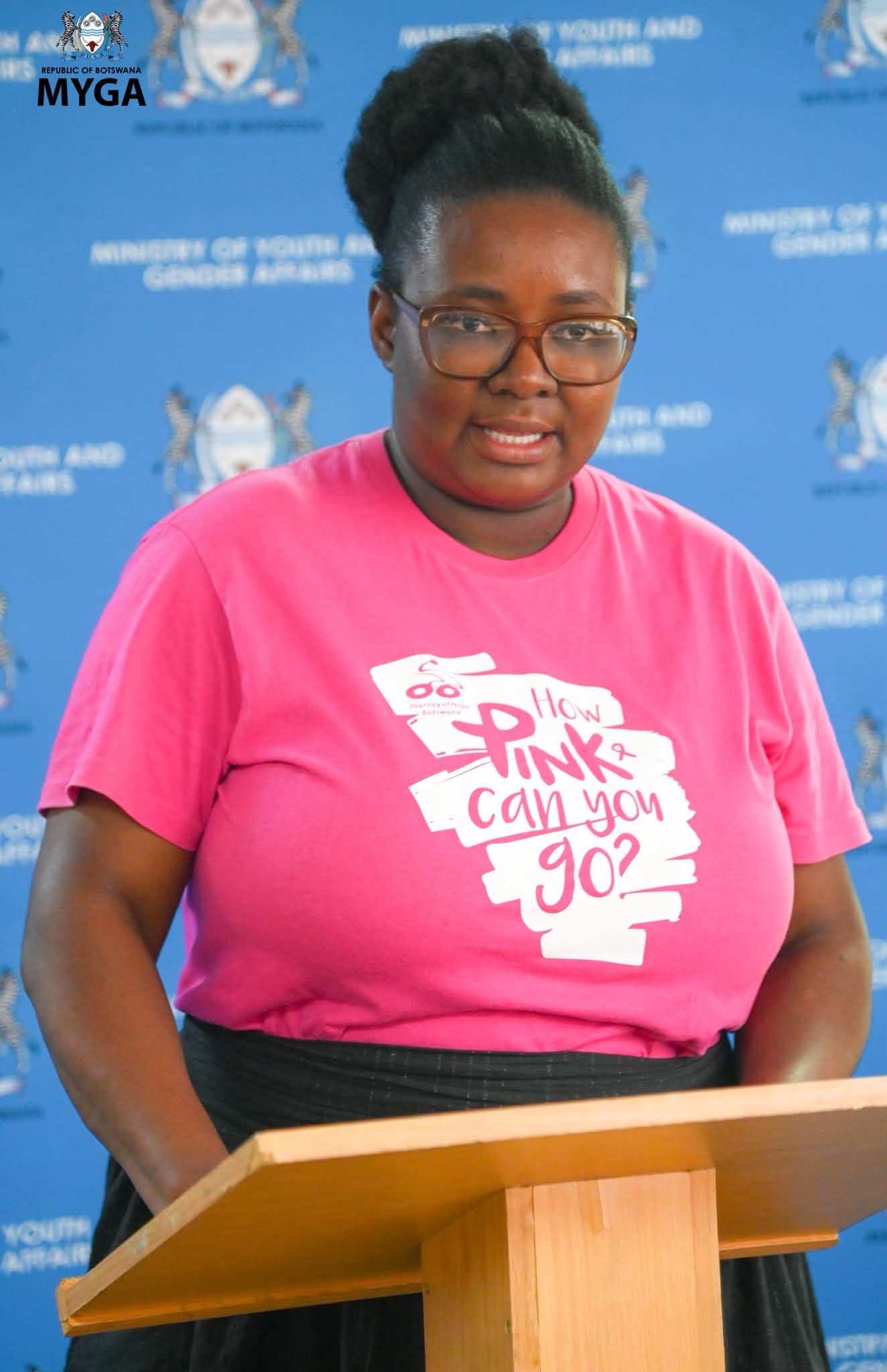
Breast cancer awareness and early detection remain essential to protecting lives, and the Botswana Ministry of Youth and Gender Affairs is reinforcing this message through workplace education and health awareness initiatives. As part of the ongoing Breast Cancer Awareness Month, ministry staff participated in an educational session facilitated by Ms Kadimo Galeboe from Journey of Hope Botswana, a non-profit organisation whose volunteers promote breast cancer awareness across the country. The session focused on understanding breast cancer, recognising warning signs and adopting healthy habits that support overall well-being. It also highlighted the importance of seeking medical attention when unusual breast changes occur, rather than ignoring symptoms or delaying professional advice. By bringing breast health education into the workplace, the initiative encouraged staff to take a more active role in protecting their health and sharing accurate awareness messages with their families and communities.
Journey of Hope Botswana plays a role in raising public awareness about breast cancer through volunteer-led education and community engagement. Awareness programmes help people understand the disease, recognise possible symptoms and appreciate why early medical assessment matters. For many individuals, a lack of information or fear of receiving a diagnosis can make conversations about breast health difficult. Educational sessions provide an opportunity to address these concerns in a supportive environment and encourage people to seek reliable medical guidance. Through its participation in the session, the organisation helped bring important breast cancer information to ministry staff and reinforced the need for continued public education across Botswana.
During the session, Ms Galeboe emphasised that breast cancer affects both women and men, although it is much less common among men. This message is important because breast cancer is often viewed as a disease that affects women alone. Men can also develop the condition, and unusual breast changes should not be dismissed simply because the disease is less common in males. Both women and men should understand the warning signs and seek medical assessment if they notice changes that concern them. Greater awareness can help challenge misconceptions, reduce stigma and encourage people to take breast health seriously regardless of gender.
Recognising the possible signs of breast cancer is an important part of early detection. Changes that require medical assessment can include a new lump or thickening in the breast or surrounding area, changes in breast shape or size, skin dimpling, persistent skin changes and unusual nipple discharge. Some people may also notice a change in the appearance of the nipple or swelling near the armpit. These symptoms do not automatically mean that a person has cancer, because several non-cancerous conditions can cause similar changes. However, anyone who notices a new or unusual symptom should seek advice from a qualified healthcare professional rather than attempting to diagnose the problem at home.
Ms Galeboe encouraged staff to become familiar with the normal appearance and feel of their breasts so they can recognise changes more easily. Breast awareness means paying attention to what is normal for your body and reporting anything unusual without unnecessary delay. It does not mean that every change indicates a serious illness, nor does it replace clinical examinations or recommended screening. Some breast changes can be difficult to identify without professional assessment, which makes it important to take concerns seriously even when there is no pain. Understanding these differences can help people make informed decisions about when to seek care and reduce the risk of overlooking symptoms.
The session also highlighted breast self-examination as a way for individuals to become more familiar with their bodies. Ms Galeboe concluded the educational session with a practical demonstration showing staff how to examine their breasts at home. This demonstration gave participants an opportunity to learn how to look for changes in the breast and nipple area and understand what they should report to a healthcare professional. Breast self-awareness can help people notice unusual changes, but self-examination alone cannot reliably detect every case of breast cancer. It should therefore complement, rather than replace, medical advice, clinical assessment and any screening recommended for an individual’s age and risk factors.
Anyone conducting a breast self-examination should pay attention to changes in appearance, texture or shape rather than focusing only on finding a lump. It is important to notice whether the skin appears different, whether the nipple has changed or whether there is unusual swelling around the breast or armpit. People should also remember that breast tissue can change naturally over time, including with hormonal changes and ageing. Becoming familiar with these normal variations can make it easier to recognise a change that is new or persistent. If something unusual appears, the appropriate next step is to arrange a medical assessment instead of relying on repeated self-checks for reassurance.
The importance of early detection was a central message of the breast cancer awareness session. Finding a concerning change early and obtaining a timely medical assessment can help healthcare professionals determine the cause and identify appropriate treatment when needed. Breast cancer outcomes vary depending on factors such as the type of cancer, its stage at diagnosis and the treatment available. Not every case can be prevented, and some people develop breast cancer even when they maintain healthy lifestyles. However, awareness of symptoms, appropriate screening and timely access to healthcare can all play important roles in breast cancer care.
Ms Galeboe also encouraged ministry staff to adopt healthier lifestyles as part of their efforts to reduce cancer risks and improve overall health. Her recommendations included limiting processed foods, maintaining a balanced diet, engaging in regular physical activity, avoiding smoking and reducing alcohol intake. These habits can support general health and may reduce the risk of certain cancers and other chronic diseases. However, lifestyle choices cannot eliminate breast cancer risk, and people should not assume that developing the disease means they have done something wrong. A balanced approach combines healthy daily habits with awareness of symptoms, appropriate screening and timely professional medical advice.
Maintaining a balanced diet is one practical way to support long-term health. Eating a variety of vegetables, fruits, whole grains and other nutritious foods can help provide the nutrients the body needs. Limiting heavily processed foods and managing portion sizes may also support a healthy weight, which is relevant to the risk of several health conditions. Regular physical activity can improve cardiovascular health, support mental well-being and help maintain a healthy weight. These habits are most useful when they become part of a consistent routine rather than short-term changes made only during awareness campaigns.
Avoiding tobacco and limiting alcohol consumption are also important public health messages. Tobacco use is associated with several serious diseases, including multiple forms of cancer, while alcohol consumption is an established risk factor for breast cancer. Reducing exposure to these risks can support better long-term health, although it cannot guarantee that a person will never develop cancer. Individuals who need help changing their smoking or drinking habits can seek advice from qualified healthcare professionals. Combining practical support with clear health education can make it easier for people to make informed and sustainable choices.
Breast Cancer Awareness Month provides an important opportunity to bring these messages to workplaces, schools, families and communities. Awareness campaigns can encourage people to discuss breast health more openly and challenge the belief that cancer should remain a private or embarrassing subject. They can also help individuals understand where to seek medical advice and why symptoms should not be ignored. However, breast cancer awareness should continue throughout the year rather than being limited to a single month. Regular education and access to healthcare services are important for ensuring that people can act on the information they receive.
The involvement of the Botswana Ministry of Youth and Gender Affairs also demonstrates how workplace education can contribute to wider public health awareness. Employees who receive clear and practical health information can share it with relatives, friends and colleagues. This can help extend the benefits of an educational session beyond the people who attend it directly. Workplaces can also encourage a culture in which individuals feel comfortable seeking health information and making time for medical appointments when necessary. Such efforts can support personal well-being while helping families and communities make better-informed health decisions.
Breast cancer awareness is especially important when information is shared in a way that is accurate, practical and easy to understand. People need to know that a lump is not the only possible warning sign and that breast cancer can occur in men as well as women. They should also understand that not all breast changes are cancerous and that a healthcare professional is best placed to investigate concerning symptoms. Clear communication can reduce unnecessary fear while encouraging appropriate medical attention. By combining education with access to healthcare, communities can create a stronger foundation for early diagnosis and informed decision-making.
The broader message from the session was that protecting health requires personal awareness, informed choices and timely action. Learning what is normal for your body can help you notice changes, while regular medical care can help address concerns that require professional assessment. Healthy lifestyle habits support general well-being, but they should never be treated as a substitute for medical evaluation or as a guarantee against cancer. Individuals should follow appropriate screening recommendations based on their age, medical history and personal risk factors. Taking these steps can help people make responsible decisions about their health and encourage others to do the same.
The breast cancer awareness session organised for staff of the Botswana Ministry of Youth and Gender Affairs, with support from Journey of Hope Botswana, highlighted the importance of education, early detection and healthy living. Through Ms Kadimo Galeboe’s presentation and practical demonstration, participants received guidance on recognising unusual breast changes, understanding breast self-awareness and seeking medical attention when necessary. The session also reinforced that breast cancer affects both women and men and that everyone should take relevant symptoms seriously. Continued awareness efforts can help reduce misconceptions, encourage timely medical assessment and strengthen conversations about cancer prevention and care. Protecting your health is an investment in your future, your family and your community, and every informed step can make a meaningful difference.