
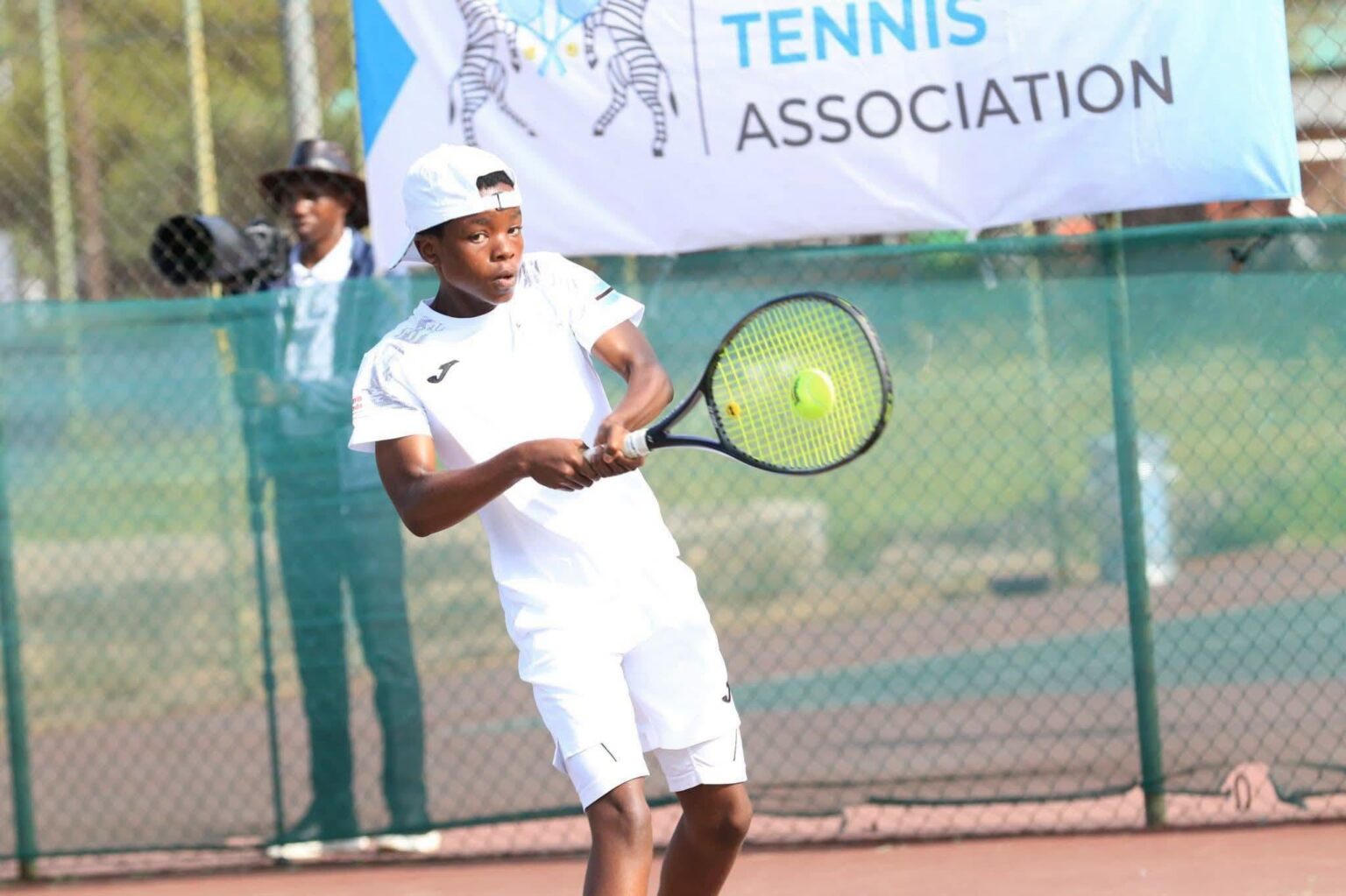
Botswana’s rising tennis stars Lebone Tlape and Angel Chakanyuka delivered outstanding performances on home soil, winning the first and second legs of the Confederation of African Tennis (CAT) Under-14 Circuit in Gaborone. The young athletes showcased their talent, determination and competitive strength by securing both singles and doubles titles, giving Botswana an impressive result at the continental tournament. Lebone claimed his second continental singles title after defeating Kenya’s Maina Olembo in a closely contested final, while Angel continued her winning run with a convincing victory over Zimbabwe’s Chloe Hayes. Their achievements extended beyond individual competition, as both players also won doubles titles alongside their respective partners. The victories marked an important moment for junior tennis in Botswana and highlighted the potential of the country’s emerging athletes to compete successfully against some of Africa’s promising young players.
The Confederation of African Tennis Under-14 Circuit provides a competitive platform for young players to develop their skills and gain experience against opponents from different countries. Tournaments at this level help junior athletes improve their technical abilities, tactical awareness and mental resilience while learning to manage the demands of competitive tennis. For players still developing their games, every match offers an opportunity to test their preparation, respond to different playing styles and build confidence under pressure. Hosting the tournament in Gaborone also gave Botswana’s representatives the opportunity to compete before local supporters while representing their country on a continental stage. The success of Lebone and Angel brought added attention to the development of junior tennis in Botswana and the value of providing young athletes with opportunities to compete internationally.
Lebone Tlape was one of the standout performers in the boys’ singles competition, securing his second continental title with a hard-fought win over Kenya’s Maina Olembo. The final ended 6-4, 7-6(2), reflecting the competitive nature of the encounter, particularly in the second set. Lebone took the opening set 6-4 before maintaining his composure in a tighter second set that required a tiebreak. He then won the tiebreak 7-2 to complete the victory and add another continental singles title to his achievements. The result demonstrated his ability to remain focused during important points and finish a demanding match against a strong opponent.
Winning a second continental singles title represents a positive milestone for a young player working to establish himself in junior tennis. Success in a final requires more than the ability to hit powerful shots or maintain long rallies. Players must also make sound decisions, manage their emotions and adjust their tactics as a match develops. Lebone’s victory over Olembo showed that he could handle a closely contested encounter and perform effectively when the outcome depended on a small number of crucial points. Continued participation in competitive tournaments can help him build on this experience as he develops his game and pursues further success.
Lebone’s achievements in Gaborone extended into the boys’ doubles competition, where he partnered Francesco Brink to claim another trophy. The pair defeated Kenya’s Maina Olembo and Zimbabwe’s Tinevimbo Chinamo 6-1, 6-3 to secure the doubles title. Their performance was convincing, with the scoreline reflecting their ability to control the match and maintain an advantage across both sets. Doubles tennis requires players to coordinate their movements, communicate effectively and understand how their individual strengths complement those of their partners. Lebone and Brink’s victory added another achievement to Botswana’s successful tournament campaign and highlighted the importance of teamwork alongside individual ability.
For Lebone, competing in both singles and doubles provided different tests of his tennis skills. Singles competition places greater responsibility on an individual to manage the match, select the right shots and respond independently to an opponent’s strategy. Doubles introduces additional tactical demands, including positioning, communication and quick decisions at the net. Performing successfully in both formats can help a developing player become more versatile and improve their understanding of the game. Lebone’s two titles in Gaborone therefore represented not only a strong competitive result but also valuable experience across different forms of tennis competition.
In the girls’ singles category, Angel Chakanyuka continued her impressive form by defeating Zimbabwe’s Chloe Hayes 6-0, 6-4 in the final. Angel dominated the opening set, winning it without dropping a game, before facing a more competitive challenge in the second. She maintained her advantage to close out the match 6-4 and claim her second continental singles title. The result underlined her ability to establish control early while staying focused when her opponent put up greater resistance. Winning the final in straight sets also gave Angel another important achievement in her development as a junior tennis player.
Angel’s performance highlighted the importance of consistency and match management in competitive tennis. A strong opening set can create an advantage, but players must continue to concentrate rather than assume that the match will remain straightforward. Opponents can adjust their tactics, improve their shot selection and apply greater pressure as a contest progresses. Angel’s ability to finish the second set after a more competitive exchange showed the importance of maintaining discipline throughout a match. Her second continental singles title further strengthened the positive impression created by her performances in the tournament.
Angel also completed a singles and doubles double by partnering Reene Sebego in the girls’ doubles competition. The pair defeated fellow Botswana player Camila Seetso and Zimbabwe’s Anotidaishe Chinyanga 6-3, 6-3 to secure the title. Their straight-sets victory gave Angel another trophy and demonstrated the strength of her performance across the two competition formats. Doubles success depends on effective coordination, an understanding of court positioning and the ability to support a partner during difficult points. Angel and Sebego delivered the result they needed to finish the tournament with the doubles championship.
The girls’ doubles final also demonstrated the competitive depth represented by the young players taking part in the tournament. With Botswana athletes competing on opposing sides of the court, the match provided a direct contest between players from the host nation and their regional rivals. Such encounters can help junior athletes become familiar with different playing styles while strengthening their ability to compete under pressure. For the winning pair, the result rewarded their performance as a team, while the experience also offered useful lessons for their opponents. The final contributed to a successful tournament for Botswana and added to the achievements recorded by its young players.
The combined success of Lebone Tlape and Angel Chakanyuka is encouraging for Botswana tennis because both athletes demonstrated their ability to win at continental level. Their victories in singles and doubles showed the value of developing players who can compete effectively in different formats. Success at junior level does not automatically guarantee future professional achievements, but strong tournament performances can provide valuable confidence and experience. Competing against players from countries such as Kenya and Zimbabwe also exposes young athletes to different approaches to the game. These experiences can help them identify areas for improvement and prepare for increasingly demanding competition as they progress through the junior ranks.
Junior tennis development depends on several factors, including regular competition, quality coaching, physical preparation and access to suitable training facilities. Young players must develop technical skills while learning to make tactical decisions and maintain concentration throughout demanding matches. They also need to understand the importance of recovery, discipline and consistent preparation between tournaments. Results such as those achieved in Gaborone can encourage continued investment in junior tennis by showing what young athletes can accomplish when they have opportunities to compete. Sustained support from coaches, families, clubs and sporting organisations can help promising players build on their achievements and continue developing their potential.
Hosting the CAT Under-14 Circuit in Gaborone also placed Botswana at the centre of a regional sporting event. International junior competitions allow local players to test their abilities without travelling abroad for every tournament, while giving visiting athletes opportunities to compete in a new environment. They can also strengthen sporting relationships between participating countries and create opportunities for players, coaches and officials to exchange experiences. For Botswana’s tennis community, such events can help increase interest in the sport and provide young athletes with visible examples of what consistent training can achieve. Continued opportunities to host and participate in regional competitions can support the broader development of tennis in the country.
The achievements of Lebone and Angel also offer encouragement to other young people who aspire to represent Botswana in sport. Their performances show the value of preparation, focus and persistence in pursuing competitive goals. Junior athletes often face challenges as they balance training, education and the demands of tournament schedules, making consistent support particularly important. Recognising their accomplishments can help raise the profile of tennis and encourage more children to explore the sport. However, lasting progress requires more than celebrating individual victories. It also depends on creating pathways that allow young players to access coaching, participate in competitions and continue developing as they move into older age groups.
Botswana’s success at the CAT Under-14 Circuit in Gaborone was built on strong individual performances and effective doubles partnerships. Lebone Tlape captured the boys’ singles title with a 6-4, 7-6(2) victory over Kenya’s Maina Olembo before teaming up with Francesco Brink to win the boys’ doubles championship. Angel Chakanyuka claimed the girls’ singles title with a 6-0, 6-4 win over Zimbabwe’s Chloe Hayes and completed her double with Reene Sebego in the girls’ doubles final. Both players secured their second continental singles titles, making the tournament an especially rewarding occasion for Botswana’s junior tennis prospects. Their achievements provide a strong reason to celebrate the country’s emerging sporting talent while recognising the work still needed to support the next generation.
The performances of Lebone Tlape and Angel Chakanyuka have given Botswana an encouraging result on the continental junior tennis stage. By winning both singles and doubles titles, they demonstrated skill, composure and the ability to perform in different competitive situations. Their success at the Confederation of African Tennis Under-14 Circuit also highlighted the value of providing young athletes with regular opportunities to compete against regional opposition. As they continue their tennis journeys, consistent training, coaching and tournament experience will remain important to their development. Their victories in Gaborone stand as a proud achievement for Botswana and an encouraging sign for the future of junior tennis in the country.