
Botswana is strengthening national preparedness for the anticipated effects of the 2026/27 El Niño season, with Government departments and humanitarian partners coordinating measures to protect livelihoods, maintain essential public services and support vulnerable communities. The preparations follow a seasonal outlook that forecasts generally hot and dry conditions, with below-normal rainfall expected across the country. The outlook also highlights the possibility of above-normal temperatures, an increased risk of heatwaves and potential drought conditions. These weather patterns could place additional pressure on agriculture, livestock production, water supplies, public health and the country’s natural resources. Through early warning systems, continuous monitoring, district-level coordination and public awareness, the Government aims to reduce potential losses and ensure that communities are better prepared to manage climate-related challenges.
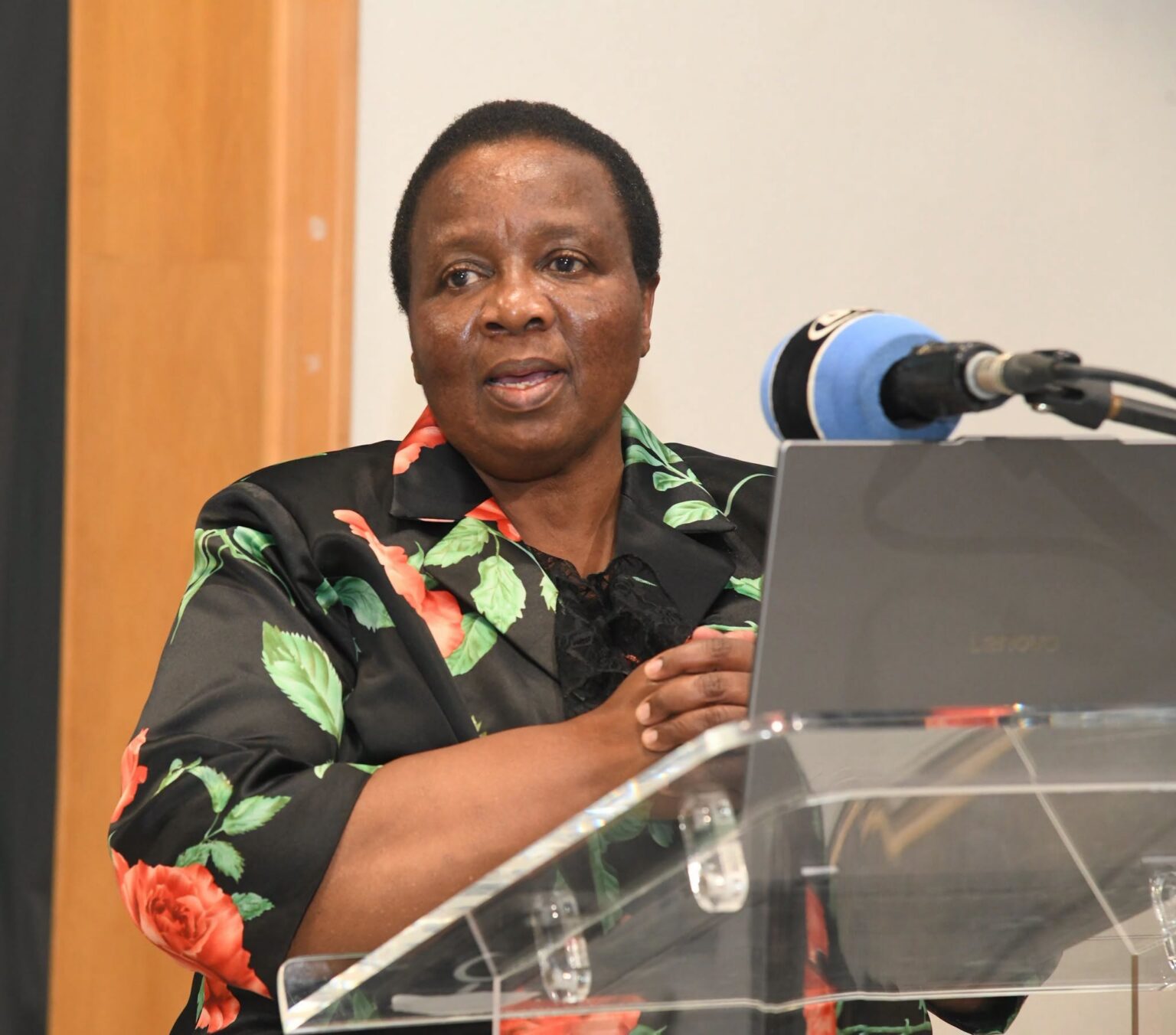
Chandapiwa Sebeela, Director of Meteorological Services in the Ministry of Environment and Tourism, outlined the seasonal outlook and highlighted the conditions anticipated during the 2026/27 period. Seasonal forecasts help Government institutions, farmers, businesses and communities understand potential weather risks and make informed preparations before conditions deteriorate. The forecast of generally hot and dry weather with below-normal rainfall signals the need for careful planning, particularly in areas that depend heavily on seasonal rainfall. Above-normal temperatures could also increase the likelihood of heat stress and periods of extreme heat. While seasonal forecasts describe expected patterns rather than guaranteeing the weather in every location, they provide important guidance for planning, risk reduction and the allocation of resources.
The anticipated El Niño-related conditions could have significant implications for Botswana’s agricultural sector, particularly for farmers who depend on rainfall to grow crops. Rain-fed agriculture is vulnerable to irregular or insufficient precipitation because crop growth depends on the availability of moisture during critical stages of the growing season. Below-normal rainfall and high temperatures can reduce soil moisture, increase evaporation and place crops under water stress. These conditions may affect yields, household food supplies and farmers’ incomes, especially where irrigation and other water-saving systems are limited. Early preparation, careful crop planning, efficient water use and timely access to weather information can help farmers make decisions that reduce potential losses.
Livestock production could also face challenges if dry conditions reduce the availability of grazing land and water for animals. Extended periods of limited rainfall can affect pasture growth, while higher temperatures can increase animals’ water requirements and contribute to heat stress. Farmers may need to monitor livestock condition, assess available feed and water supplies and plan for periods when natural grazing becomes insufficient. Timely advice and coordination between agricultural services and local authorities can help communities identify risks and consider suitable responses. Protecting livestock is particularly important for households that depend on animals for food, income and other essential needs.
Water security is another major concern associated with the anticipated hot and dry conditions. Reduced rainfall can limit the replenishment of dams, rivers, groundwater and other water sources, depending on local conditions and existing reserves. At the same time, high temperatures can increase water demand among households, farms, businesses and public institutions. Careful management of available supplies will therefore be important to help maintain access to water for essential domestic and economic activities. Public awareness campaigns can encourage responsible water use, while continued monitoring can help authorities identify emerging shortages and guide decisions on water allocation and conservation.
The potential effects of the 2026/27 El Niño season extend beyond agriculture and water resources. High temperatures can increase the risk of heat-related illness, particularly among older people, young children, outdoor workers and individuals with existing health vulnerabilities. Prolonged heat can contribute to dehydration and heat exhaustion, making access to drinking water, shade and timely health information especially important. Dry conditions may also increase fire risks in some areas, depending on vegetation, wind and other local factors. Public health services and community leaders can help reduce these risks by sharing practical safety information and encouraging people to take precautions during periods of extreme heat.
Botswana’s forests, wildlife and nature-based tourism could also experience pressure from prolonged dry weather. Reduced water availability and changes in vegetation can affect wildlife movement, habitat conditions and the distribution of natural food sources. Dry vegetation may increase the potential for wildfires, which can damage habitats and threaten biodiversity. Nature-based tourism operators may also need to monitor changing environmental conditions and consider how these could affect visitor safety, wildlife viewing and the management of tourism facilities. Protecting natural resources during periods of drought requires cooperation between environmental authorities, local communities, conservation organisations and businesses that depend on healthy ecosystems.
To address these risks, the national response places strong emphasis on early warning and continuous monitoring. Timely weather information allows authorities and communities to identify emerging threats and take preventive action before they cause greater damage. Monitoring rainfall, temperatures, water availability, agricultural conditions and other relevant indicators can help decision-makers understand how risks are developing across different districts. This information can also guide public communication and help authorities adjust their response as conditions change. Effective early warning depends not only on forecasting hazards but also on ensuring that the information reaches the people who need it in a clear and useful form.
District-level coordination is another important part of Botswana’s preparedness efforts. Local authorities and community structures are often well placed to identify households, farmers and other groups that may face greater difficulties during drought or extreme heat. Coordinated planning can help connect local needs with the relevant Government departments and humanitarian partners. It can also improve the flow of information between national institutions and communities, allowing authorities to respond to changing conditions more effectively. By linking national planning with local knowledge, Botswana can strengthen the ability of districts to prepare for and manage the potential effects of the coming season.
Public information and community awareness will remain essential as the country prepares for the anticipated conditions. People need clear guidance on weather risks, water conservation, heat safety, agricultural planning and the steps they can take to protect their livelihoods. Farmers may use seasonal information to review planting decisions, while households can plan water use and take precautions during periods of high temperatures. Businesses and public institutions can also assess their preparedness for possible water shortages, heat-related disruptions and other weather-related challenges. Regular communication can help communities distinguish between seasonal expectations and confirmed local conditions, reducing confusion and supporting practical decision-making.
The Government is also working with humanitarian partners to strengthen resource mobilisation and ensure that preparedness measures reflect emerging risks and community needs. Different departments and partners contribute according to their respective mandates, helping connect meteorological information with agricultural support, health services, environmental management and humanitarian planning. This coordination is important because the effects of prolonged dry weather can affect several sectors at the same time. Planning ahead can help institutions identify priority needs, consider available resources and prepare appropriate responses for communities facing the greatest risks. The effectiveness of these efforts will depend on continued information sharing, timely decisions and the ability to adjust plans as conditions evolve.
The anticipated 2026/27 El Niño season presents Botswana with important challenges, particularly in relation to rainfall, extreme heat, drought risk and pressure on essential resources. The seasonal outlook provides a basis for preparation, but actual conditions may vary across the country and will require continued monitoring. By strengthening early warning systems, improving district-level coordination, sharing public information and mobilising resources, the Government and its humanitarian partners are working to limit potential losses and protect vulnerable communities. Farmers, households, businesses and public institutions also have a role to play by using reliable weather information and taking practical steps to prepare for possible impacts. Sustained cooperation and timely action will be essential to protecting livelihoods, maintaining public services and strengthening Botswana’s resilience throughout the 2026/27 season.