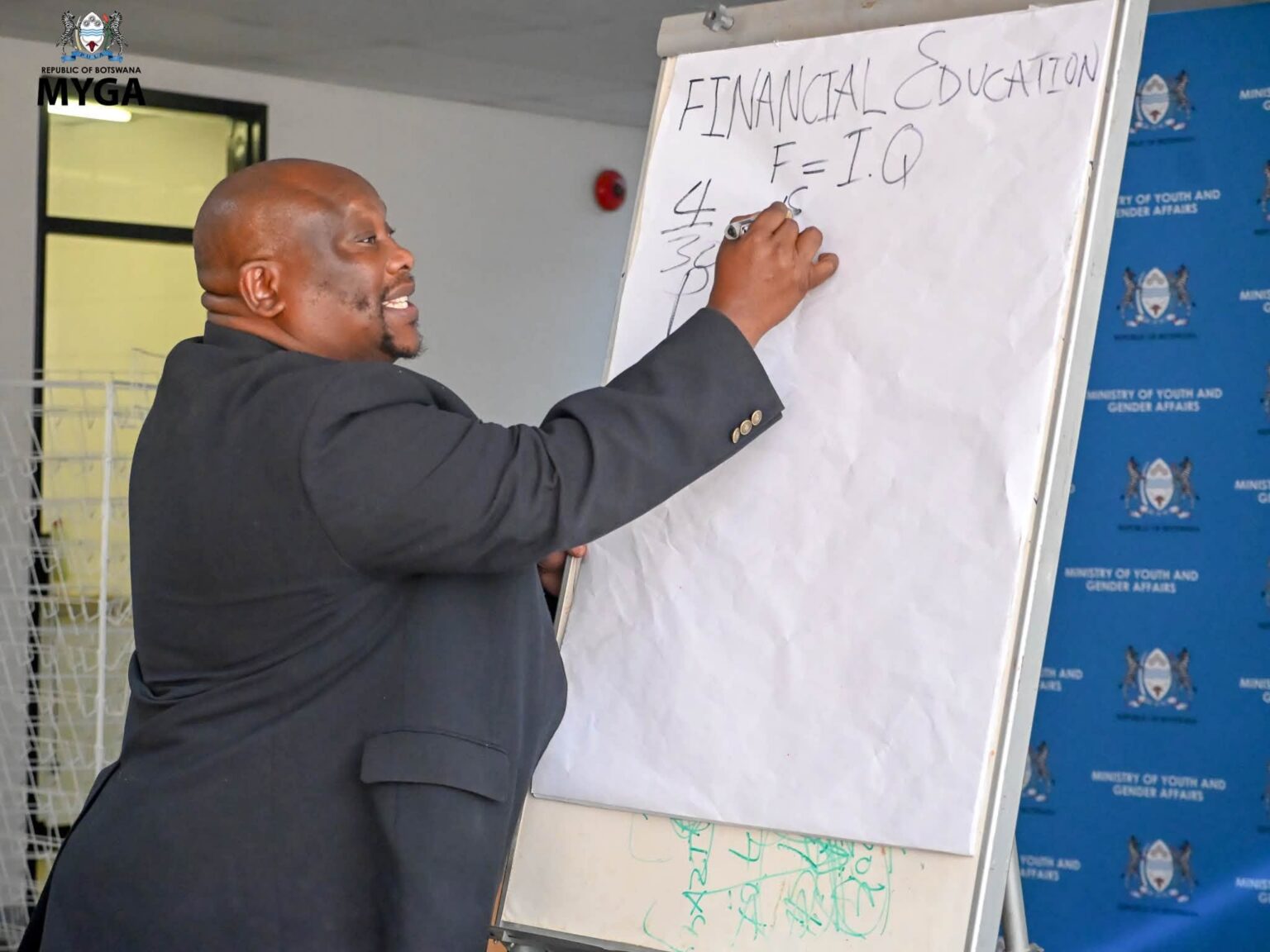
The Ministry of Youth and Gender Affairs (MYGA) today hosted Assure Wealth, an insurance brokerage firm that provides risk management and insurance solutions, for a financial intelligence session aimed at strengthening financial literacy among employees. The session focused on practical ways to manage money, make informed financial decisions and build greater financial stability. Led by Mr Keorapetse Mike Seleke, the engagement provided employees with guidance on budgeting, responsible spending, debt management and the influence of social relationships on financial behaviour. The initiative highlighted the importance of understanding personal finances and developing habits that support long-term financial well-being. By creating opportunities for employees to learn about money management and access individual consultations, MYGA demonstrated the value of promoting financial awareness in the workplace.
Financial literacy plays an important role in helping individuals make sound decisions about their income, expenses, savings and financial commitments. Understanding how money works can help employees plan for daily needs, prepare for unexpected expenses and work towards their personal goals. Without a clear financial plan, it can become difficult to balance household expenses, manage debt and prepare for future responsibilities. Financial education gives people practical tools to assess their spending habits and make choices that reflect their income and priorities. Sessions such as the one hosted by MYGA can help employees develop a stronger understanding of personal finance and recognize the benefits of consistent, responsible money management.
During the session, Mr Keorapetse Mike Seleke emphasised the importance of budgeting as a foundation for effective financial management. A budget helps individuals understand how much money they receive, where it goes and how much they can reasonably set aside for savings or other priorities. By tracking income and expenses, employees can identify unnecessary spending and make adjustments before financial pressure increases. A realistic budget should account for essential costs such as food, housing, transport and utilities, as well as debt repayments and personal needs. Developing and reviewing a budget regularly can help individuals maintain better control over their finances and make decisions based on their actual financial circumstances.
Responsible spending was another key theme of the financial intelligence session. Employees were encouraged to think carefully about their purchasing decisions and distinguish between essential expenses and wants that can be delayed. Spending decisions can have lasting effects when they involve credit agreements, recurring subscriptions or purchases that place pressure on monthly income. Taking time to compare prices, assess affordability and consider future obligations can help reduce avoidable financial strain. Responsible spending does not mean avoiding every personal purchase, but rather ensuring that current choices do not undermine important financial commitments or longer-term goals.
Mr Seleke also encouraged employees to adopt a positive and practical approach to debt management. Debt can become a source of stress when repayments exceed what a person can comfortably afford, but a clear repayment plan can help individuals regain control of their financial position. Understanding the total amount owed, the interest charged and the required repayment dates is an important first step towards managing outstanding obligations. Individuals can then review their budgets, prioritize repayments and consider contacting lenders early if they anticipate difficulty meeting their commitments. With careful planning, discipline and consistent action, people can work towards reducing debt, improving financial stability and creating more room in their budgets for other priorities.
The session further highlighted the importance of making informed financial decisions. Financial choices often involve balancing immediate needs with future responsibilities, particularly when employees must manage household expenses, support family members or prepare for major life events. Before entering into a financial agreement, individuals should understand the terms, fees, repayment requirements and possible risks involved. They should also consider whether a financial product meets their needs rather than making decisions based solely on pressure or promises of quick benefits. Developing the habit of asking questions, comparing available options and seeking qualified guidance can help employees make decisions that better protect their financial well-being.
Another important point raised by Mr Seleke was the influence of social circles on personal financial behaviour. Friends, colleagues and other social contacts can shape how individuals view spending, borrowing, saving and financial success. Pressure to maintain a particular lifestyle or match the spending habits of others can lead to unnecessary purchases and financial commitments that do not fit a person’s income. In contrast, relationships with financially responsible people can encourage practical discussions about saving, budgeting and setting realistic goals. Mr Seleke therefore encouraged employees to surround themselves with individuals who offer sound advice and support positive financial habits, while remaining mindful that each person’s financial circumstances and priorities are different.
The session also reinforced the importance of building financial stability through consistent habits rather than relying on occasional decisions. Small steps, such as reviewing monthly expenses, setting achievable savings targets and paying bills on time, can help individuals develop greater confidence in managing their money. Where possible, setting aside funds for emergencies can reduce the need to borrow when unexpected costs arise. Employees can also benefit from reviewing their financial goals regularly and adjusting their plans when their income, responsibilities or circumstances change. These practices can provide a more structured approach to personal finance and help individuals prepare for future needs.
Following the financial intelligence session, Assure Wealth was scheduled to remain available throughout the day at the SHE Department to provide one-on-one financial consultations to MYGA employees. These consultations offer employees an opportunity to discuss individual financial concerns and seek guidance relevant to their circumstances. Personal consultations can be useful because financial needs vary depending on income, existing debt, household responsibilities and future plans. Employees can use such discussions to gain a clearer understanding of their options and identify practical steps towards improving their financial management. Access to individual guidance also complements group financial education by allowing participants to explore issues that may not be fully addressed during a general presentation.
The collaboration between the Ministry of Youth and Gender Affairs and Assure Wealth highlights the value of workplace financial literacy initiatives in supporting employees beyond their professional responsibilities. Financial pressure can affect a person’s ability to plan, meet obligations and maintain peace of mind, making practical financial education an important part of overall well-being. By addressing budgeting, responsible spending, debt management and the influence of social relationships, the session provided employees with useful principles for making more informed financial choices. The availability of individual consultations further extended the opportunity for employees to seek guidance suited to their needs. Through initiatives like this, MYGA continues to create opportunities for financial awareness and responsible money management, encouraging employees to build healthier financial habits and work towards greater stability and a more secure future.