
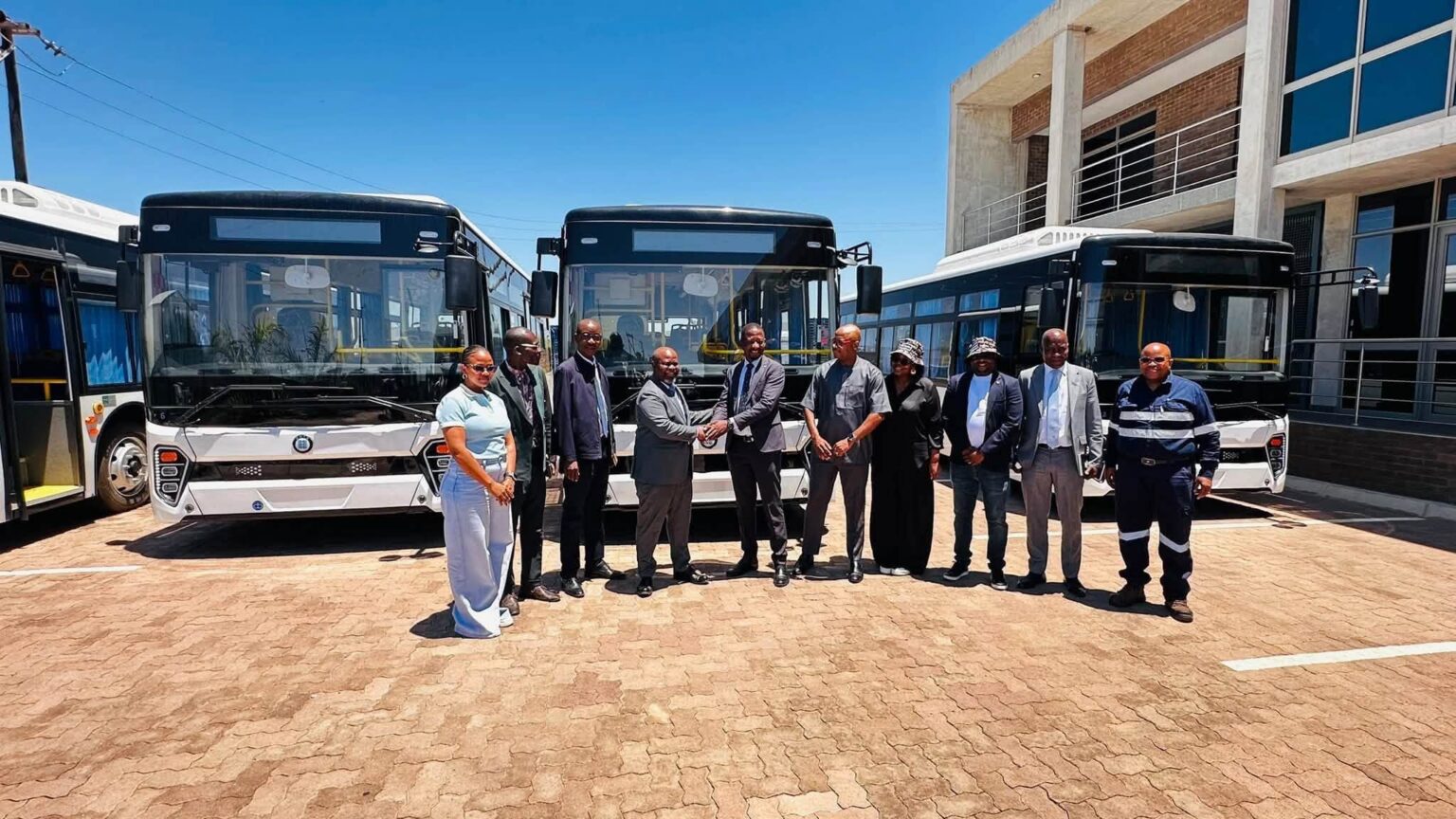
Botswana has taken an important step towards transforming its public transport system following the official handover of electric buses to the Ministry of Transport and Infrastructure and the Citizen Entrepreneurial Development Agency (CEDA). The development paves the way for the introduction of electric metro bus services as the country moves towards modern, accessible and environmentally friendly transportation. The initiative forms part of broader efforts to improve public transport operations while reducing dependence on conventional vehicles that rely on fossil fuels. It also reflects Botswana’s growing commitment to sustainable mobility and the adoption of cleaner transport technologies. With operations scheduled to begin this weekend, the project marks a significant milestone in the country’s efforts to build a more efficient and environmentally responsible public transport network.
The electric bus project will operate through Tana Holdings (Pty) Ltd, a subsidiary of CEDA responsible for facilitating the day-to-day operations of the service. The company will play an important role in managing the new transport initiative and ensuring that the buses operate effectively. Its involvement provides an operational structure through which the government-backed project can be implemented and monitored. The arrangement also connects the initiative to CEDA’s broader role in supporting economic development and entrepreneurial participation. Through Tana Holdings, the electric metro bus service is expected to develop into an organised transport operation that responds to commuter needs while supporting Botswana’s transition towards electric mobility.
Speaking at the official handover ceremony, CEDA’s Caretaker Chief Executive Officer explained that the project would initially begin with four electric buses. The fleet is expected to expand progressively to ten buses as the initiative develops. This phased approach will allow the operators to assess the performance of the service before committing to further expansion. Important considerations will include operational efficiency, financial sustainability and the transport needs of commuters. Starting with a smaller fleet also provides an opportunity to identify operational challenges, evaluate passenger demand and make necessary adjustments before introducing additional buses.
The decision to introduce electric metro buses forms part of a wider government effort to modernise Botswana’s public transport system. The initiative is being implemented in line with a Cabinet directive aimed at improving public transportation and encouraging sustainable, low-emission mobility. Electric buses offer an alternative to conventional diesel and petrol-powered public transport vehicles by using electricity instead of directly burning fossil fuels during operation. This can help reduce exhaust emissions along transport routes, particularly in busy urban areas. The transition also creates an opportunity for Botswana to explore modern transport technologies that support environmental protection and long-term infrastructure development.
One of the key advantages of electric buses is their potential to reduce the environmental impact of public transportation. Conventional buses contribute to air pollution through exhaust emissions, while electric buses produce no tailpipe emissions during operation. Their overall environmental benefits will depend on how the electricity used to charge them is generated and how the vehicles are maintained throughout their lifespan. Electric buses can also offer a quieter passenger experience because their motors generally produce less noise than conventional combustion engines. These features make electric mobility an important option for countries seeking to improve urban transport while supporting environmental sustainability.
However, introducing electric buses requires careful planning and investment beyond the purchase of vehicles. Reliable charging infrastructure, electricity supply, technical maintenance and trained personnel will all be important to the project’s success. Operators must also consider battery performance, charging schedules and the availability of specialised maintenance services. These factors can influence how frequently buses operate and how much it costs to maintain the fleet. The phased rollout will therefore provide an opportunity to understand the practical requirements of running an electric public transport service in Botswana.
CEDA’s Caretaker Chief Executive Officer also clarified that the electric bus initiative is not intended to compete with existing public transport operators and associations. Instead, the service is designed to complement the transport industry by providing commuters with additional travel options. This position is important because public transport operators already play a significant role in connecting communities and supporting daily economic activities. Introducing a new transport model without considering existing industry participants could create unnecessary tensions and uncertainty. By positioning electric metro buses as complementary services, the initiative seeks to encourage cooperation while improving the range of transport choices available to passengers.
The TANA operating model is also built around inclusivity, with stakeholders across the public transport sector expected to participate as shareholders. This approach is intended to ensure that existing industry players become part of the evolving transport ecosystem rather than being excluded from the modernisation process. Giving stakeholders an opportunity to participate in ownership could strengthen cooperation and create a shared interest in the project’s success. It may also provide opportunities for established transport operators to engage with new technologies and business models. This inclusive approach recognises that modernising public transport requires collaboration between government institutions, private businesses and the people already working within the industry.
For commuters, the introduction of electric metro buses could provide additional options for travelling to work, accessing services and moving between different destinations. The success of the service will depend on practical issues such as routes, fares, operating hours, passenger capacity and service reliability. These factors will determine whether the buses meet the expectations of the travelling public. Accessibility will also be important, particularly for passengers with disabilities, older people and individuals who depend on public transport for their daily activities. As the fleet expands, commuter feedback will help operators understand where improvements and additional services may be needed.
The project could also create opportunities for skills development and employment within Botswana’s growing electric mobility sector. Operating and maintaining electric buses requires technical knowledge in areas such as vehicle diagnostics, battery systems and electrical components. Training local technicians and transport personnel could help build the expertise needed to support future electric vehicle projects. The development of charging infrastructure may also create opportunities for businesses involved in electrical installation, engineering and related services. As Botswana explores cleaner transport technologies, building local technical capacity will be important for reducing reliance on external expertise and supporting long-term sustainability.
The initial introduction of four buses will therefore be an important test of the project’s operational and financial model. Expanding the fleet to ten will depend on how effectively the service responds to commuter demand and whether it can maintain reliable operations. The government and Tana Holdings will need to monitor performance, operating costs and passenger satisfaction as the service develops. Lessons from the first phase can help guide future investment decisions and identify the infrastructure required for larger-scale electric public transport. A carefully managed expansion could create a foundation for introducing more electric buses in other parts of the country over time.
Botswana’s introduction of electric metro bus services represents an important development in the modernisation of public transportation and the country’s wider transition towards sustainable mobility. The partnership involving the Ministry of Transport and Infrastructure, CEDA and Tana Holdings provides an operational framework for bringing the initiative to commuters. Its emphasis on phased implementation, financial sustainability and cooperation with existing transport operators offers an approach that considers both innovation and the realities of the current transport industry. The success of the project will depend on reliable operations, accessible services, suitable charging infrastructure and meaningful stakeholder participation. As the first buses prepare to enter service, Botswana has an opportunity to demonstrate how electric mobility can contribute to a cleaner, more efficient and more connected public transport system.