Young people in rural communities are being given greater opportunities to participate in democratic processes, influence local governance and contribute to sustainable community development through the EMPOWER+ project in Botswana. The initiative, implemented by the Tlokweng District Council in partnership with local and international organisations, aims to strengthen youth involvement in decision-making and ensure that young people’s voices receive meaningful attention. Funded by the European Union through the Erasmus+ Capacity Building programme, EMPOWER+ seeks to address challenges that often limit rural youth participation in public affairs. The project recognises that young people have an important role to play in shaping policies, identifying community priorities and contributing to national development. Through collaboration, capacity building and stronger engagement structures, the initiative aims to create an environment where rural youth can actively influence decisions affecting their lives and communities.
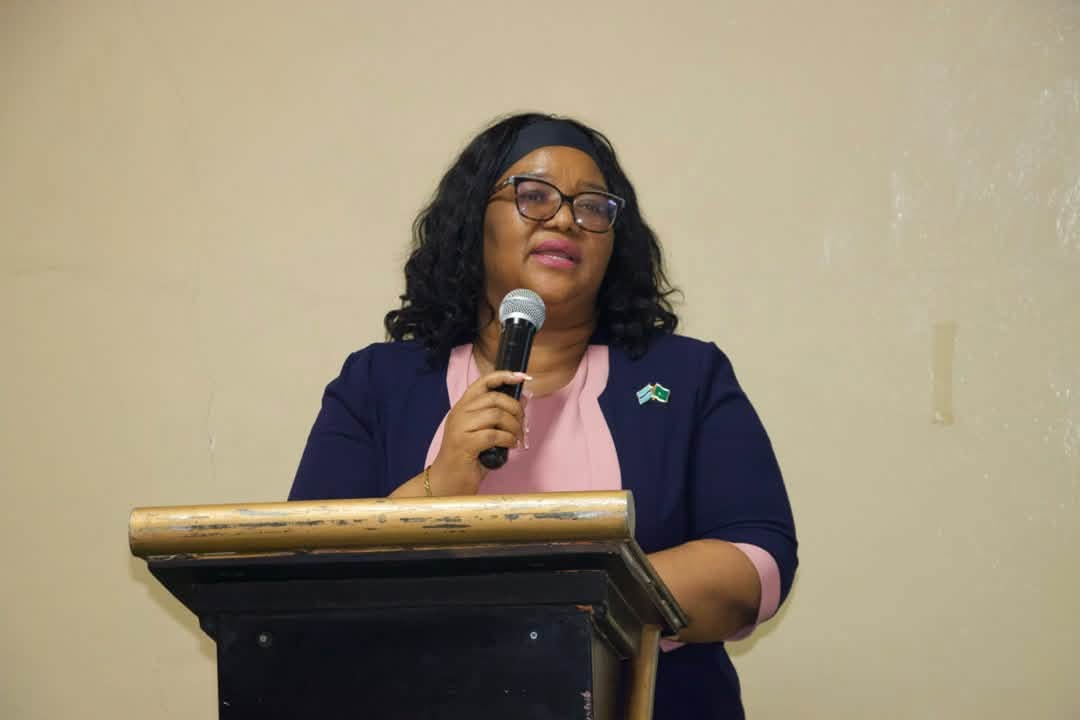
A recent stakeholder panel discussion held in Tlokweng provided an important platform for examining the progress and objectives of the EMPOWER+ project. The discussion brought attention to youth empowerment, meaningful participation in decision-making and the need to establish a functional Rural Youth Parliament. These issues are particularly important because young people in rural areas may face barriers when attempting to engage with local leadership and governance structures. Limited access to information, fewer opportunities for civic engagement and inadequate representation can make it difficult for rural youth to influence decisions that affect their communities. The stakeholder engagement therefore offered an opportunity to consider practical ways of addressing these challenges and strengthening youth representation.
One of the central priorities of EMPOWER+ is to encourage young people to take an active role in democratic processes. Youth participation in democracy goes beyond voting during elections. It also involves understanding how government institutions operate, engaging with elected representatives, contributing to public discussions and holding leaders accountable. When young people understand their rights and responsibilities, they become better positioned to participate in decisions concerning education, employment, infrastructure and community services. The project seeks to strengthen this understanding while creating opportunities for young people to express their views and contribute to local development priorities.
The proposed Rural Youth Parliament is particularly significant to the project’s broader objectives. A functional youth parliament could provide a structured platform through which young people from rural communities can discuss issues affecting them and present their concerns to relevant decision-makers. It could also encourage constructive dialogue between youth representatives, local authorities and other stakeholders. Such a structure would help young people develop leadership, communication, negotiation and policy engagement skills. However, its effectiveness will depend on genuine representation, regular engagement and the ability to ensure that recommendations from young people receive appropriate attention from relevant institutions.
The involvement of the Ministry of Youth and Gender Affairs (MYGA) further demonstrates the importance of government support in advancing youth development and participation in Botswana. The Ministry is engaging in the EMPOWER+ initiative as part of its mandate to promote youth empowerment and strengthen young people’s involvement in national and local decision-making. Its participation creates an opportunity to connect community-level youth initiatives with broader national development priorities. Government involvement is also important in ensuring that youth empowerment programmes receive institutional support and contribute to existing development efforts. Through collaboration with local authorities and development partners, the Ministry seeks to create more opportunities for young people to participate meaningfully in shaping their future.
MYGA continues to champion youth involvement in several important areas, including governance, economic empowerment, innovation, environmental sustainability and accountable leadership. These priorities reflect the understanding that youth development requires more than providing young people with opportunities to participate in public discussions. It also involves equipping them with the knowledge, resources and practical skills needed to contribute to economic and social progress. Economic empowerment, for example, can help young people become financially independent while contributing to local enterprise development and job creation. Innovation and environmental sustainability can also encourage young people to develop solutions to challenges affecting their communities.
Meaningful youth participation in governance can also strengthen accountability and improve the relationship between communities and public institutions. Young people often have direct experience of challenges involving unemployment, access to education, limited economic opportunities and the availability of public services. Giving them a platform to communicate these concerns can help decision-makers better understand the needs of different communities. It can also encourage public institutions to consider the experiences of younger generations when developing policies and implementing programmes. When youth engagement becomes a regular part of governance, rather than an occasional consultation exercise, it can contribute to more inclusive decision-making.
The European Union’s support through the Erasmus+ Capacity Building programme provides an important international development dimension to the EMPOWER+ project. International partnerships can help strengthen local institutions, encourage the exchange of knowledge and improve the capacity of organisations working with young people. The involvement of local and international stakeholders also creates opportunities to share experiences and identify approaches that can improve youth participation. For Tlokweng District Council, the initiative provides a platform to work with partners towards strengthening rural youth engagement in local governance. The partnership demonstrates how cooperation between government institutions, civil society and international organisations can support community development objectives.
For the project to achieve lasting results, young people must remain at the centre of its implementation. Their participation should extend beyond attending meetings and panel discussions to include opportunities to contribute ideas, influence decisions and monitor progress. Rural youth from different backgrounds should also have opportunities to participate, including young women and those who may face additional barriers to accessing leadership platforms. Local authorities and stakeholders will need to maintain open communication channels and ensure that young people’s contributions lead to meaningful engagement. Building trust between youth representatives and decision-makers will be essential to establishing a sustainable culture of participation.
The EMPOWER+ initiative also highlights the importance of strengthening leadership at community level. Young people who participate in local governance processes can develop a better understanding of public administration, community planning and the responsibilities of leadership. These experiences can prepare them to take on greater responsibilities in organisations, businesses and public institutions. They can also encourage a stronger sense of civic responsibility among young people. By investing in youth leadership today, Botswana can help prepare a generation capable of contributing to effective governance and sustainable national development.
The Tlokweng District Council, the Ministry of Youth and Gender Affairs and their local and international partners therefore have an important opportunity to turn the objectives of EMPOWER+ into practical outcomes. Strengthening democratic participation, establishing a functional Rural Youth Parliament and improving youth representation can help ensure that rural communities benefit from more inclusive decision-making. The project’s success will ultimately depend on sustained collaboration, effective implementation and a genuine commitment to listening to young people. Through initiatives such as EMPOWER+, Botswana can strengthen the role of its youth in governance, economic development and environmental sustainability. Empowering rural young people to participate actively in decisions affecting their communities is not only an investment in their future but also an important step towards building a more inclusive, accountable and sustainable nation.